Healthy eating can feel confusing when diet trends change, advice conflicts, and busy schedules leave little time for planning. The good news is that healthy nutrition doesn’t require strict rules or complicated recipes.
This ultimate guide to a healthy nutrition focuses on balanced meals, nutrient-rich foods, realistic portions, and habits you can maintain. It offers general information, not medical advice, so talk with a qualified healthcare professional if you have a health condition, food allergy, or special dietary needs. Start by learning what makes a balanced meal, then build a routine that fits your life.
For an accessible overview, watch Casually Explained: Being Healthy.
The ultimate guide to a healthy nutrition: What it really means
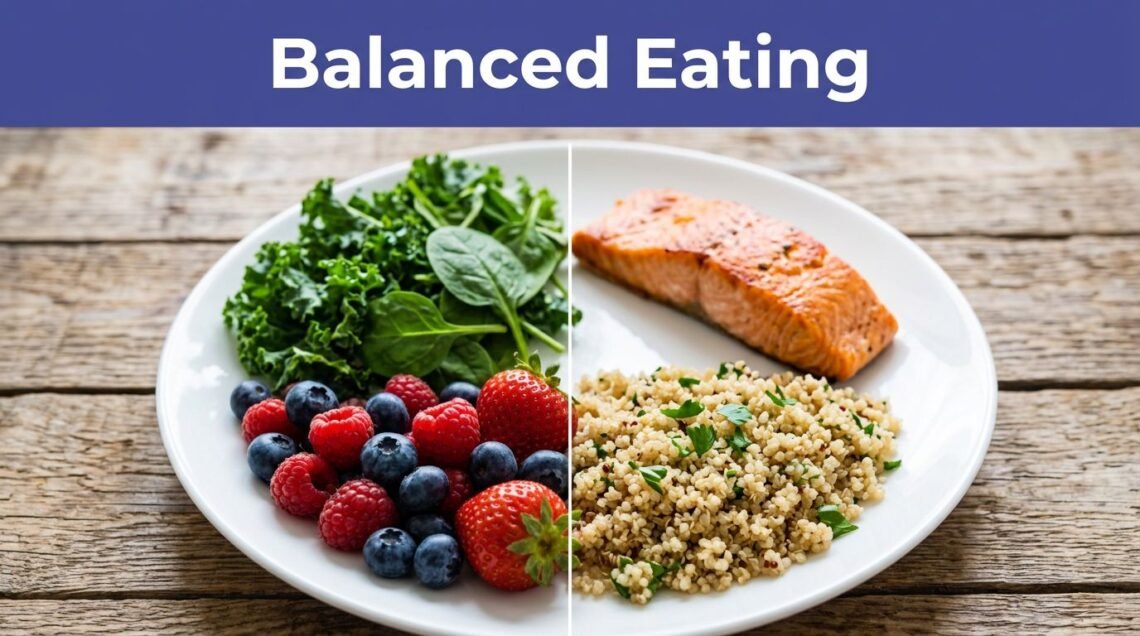
Healthy nutrition means giving your body enough energy and a wide range of nutrients without turning every meal into a math problem. A balanced diet includes variety, sensible portions, and foods you enjoy often enough to make the habit practical.
The nutrients your body needs every day
Your body relies on several nutrients, and each one has a different job:
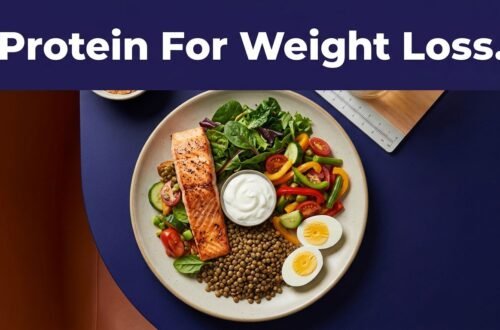
- Protein helps maintain muscles, skin, blood, and other tissues. Choose beans, lentils, eggs, fish, chicken, tofu, Greek yogurt, or cottage cheese.
- Carbohydrates provide energy for your brain and muscles. Oats, brown rice, potatoes, whole-grain bread, fruit, and beans offer carbohydrates along with fiber and other nutrients.
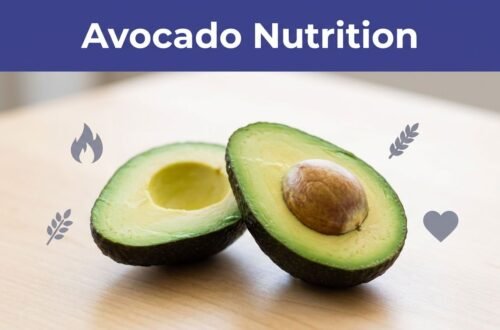
- Fats support hormone production, cell function, and the absorption of vitamins A, D, E, and K. Nuts, seeds, avocado, olive oil, and fatty fish are useful choices.
Carbohydrates and fats aren’t automatically unhealthy. Quality and amount matter. A bowl of oats and a sugary pastry both contain carbohydrates, but oats provide more fiber and lasting nourishment. Likewise, olive oil and heavily fried foods contain fat, yet they affect an overall eating pattern differently.
Vitamins and minerals support hundreds of body processes. Colorful vegetables and fruits provide vitamin C, folate, potassium, and plant compounds. Dairy products and fortified alternatives can provide calcium and vitamin D, while meat, seafood, beans, and fortified foods supply nutrients such as iron, zinc, and vitamin B12. The Dietary Guidelines for Americans offers broader guidance on building a nutrient-dense eating pattern.
Fiber supports digestion, helps you feel full, and feeds beneficial gut bacteria. Get it from vegetables, berries, apples, beans, lentils, whole grains, nuts, and seeds. Increase fiber gradually and drink enough fluids to support comfortable digestion.
Fluids also belong in the daily picture. Water helps regulate body temperature, transport nutrients, and remove waste. Your needs vary with activity, climate, body size, and health, so drink regularly and pay attention to thirst.
How to build a balanced plate without counting everything
A simple plate method can guide most meals:
- Fill about half your plate with vegetables and fruit, giving vegetables the larger share when possible.
- Fill one quarter with protein, such as salmon, eggs, chicken, beans, lentils, tofu, or tempeh.
- Fill the remaining quarter with whole grains or other quality carbohydrates, including quinoa, brown rice, oats, corn, or potatoes.
- Add a source of healthy fat when the meal needs it, such as avocado, tahini, nuts, seeds, or olive oil.
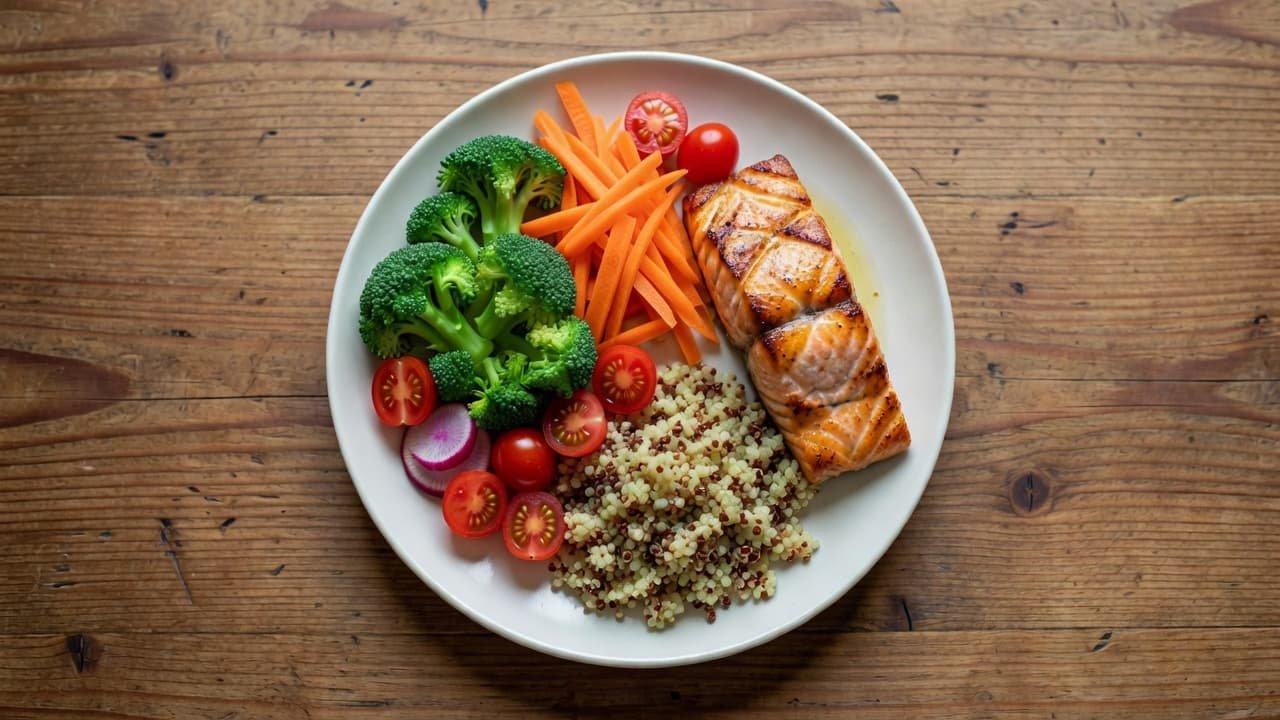
This visual guide is flexible, not a strict rule. An omnivorous meal might combine roasted broccoli, salmon, and quinoa. A vegetarian plate could include peppers, lentil curry, and brown rice with yogurt. For a plant-based option, try a bean-and-vegetable bowl with corn, avocado, and whole-grain rice.
Adjust the portions for your hunger, activity, and preferences. The goal is a nourishing pattern you can repeat, not a perfect plate at every meal.
How to choose healthy foods at the grocery store
Healthy grocery shopping becomes easier when you focus on patterns instead of searching for perfect products. Build most of your cart around foods that provide protein, fiber, vitamins, minerals, and satisfying flavor. Then use nutrition labels to compare similar items and make informed choices.
A short shopping plan also helps. Before you leave, consider the meals you expect to prepare and choose ingredients that can work in more than one dish. For example, spinach can go into an omelet, soup, sandwich, or grain bowl.
Choose whole and minimally processed foods more often
Whole foods are close to their natural form. Fresh apples, carrots, potatoes, eggs, beans, plain nuts, and unseasoned fish are familiar examples. They usually have few or no added ingredients, although they still need preparation at home.
Minimally processed foods have been changed for convenience, safety, or storage without removing their basic nutritional value. Washing, chopping, freezing, drying, pasteurizing, or cooking can all count as processing. That means processing exists on a spectrum, rather than dividing foods into simply “good” and “bad.”
For instance, frozen vegetables can be just as practical as fresh vegetables, especially when they help you avoid food waste. Canned tuna provides convenient protein, while tofu offers a versatile plant-based option. Plain yogurt supplies protein and calcium, and whole-grain bread can provide fiber and lasting energy.

Highly processed foods can still fit into a balanced eating pattern. The key is to check what the product adds, how often you eat it, and whether it supports your overall needs. A sweetened cereal, flavored snack, or frozen meal may be convenient, but it shouldn’t crowd out foods that offer more fiber and nutrients.
When comparing options, look for simple upgrades:
- Choose unsalted beans or rinse canned beans when possible.
- Pick plain yogurt, then add fruit or nuts yourself.
- Select whole-grain bread with whole wheat or another whole grain near the start of the ingredient list.
- Keep frozen vegetables, canned fish, and low-sodium soups available for quick meals.
The American Heart Association’s grocery shopping tips also recommends comparing sodium, saturated fat, and added sugar in similar products.
Read nutrition labels with confidence
Nutrition labels provide useful details when you read them in a consistent order. Start with the serving size, since the calories and nutrients listed apply to that amount. If you eat twice the serving, you consume twice the listed nutrients.
Next, compare calories when two products serve the same purpose. Then check protein and fiber, which often make a meal or snack more filling. After that, review added sugar, sodium, and saturated fat. You don’t need to eliminate every product containing these nutrients, but comparing similar choices can help you find a better fit.
The ingredient list adds another layer of information. Look for whole grains, beans, nuts, seeds, fruits, or vegetables near the beginning. It can also reveal sweeteners, oils, preservatives, milk, wheat, soy, peanuts, tree nuts, eggs, fish, and other allergens.
Daily Values are general reference points for a standard diet. Your needs may differ because of age, activity, medications, or health conditions, so use the label as a guide rather than a personal prescription. Nutrition.gov’s food shopping guidance offers additional ways to compare sugar, sodium, fat, and fiber.
Healthy meal planning for busy days
A practical meal plan reduces last-minute decisions without forcing you to eat the same food every day. Choose flexible ingredients, prepare only what you can use, and leave room for changes in your schedule.
A simple weekly meal-planning method
Use this five-step process at the start of each week:
- Review your calendar. Note late meetings, appointments, travel, workouts, and nights when you have more time to cook. Plan quick meals for busy evenings and reserve longer recipes for calmer days.
- Choose a few repeatable meals. Pick two breakfasts, two lunches, and three dinners that share ingredients. For example, roasted vegetables can work in grain bowls, tacos, omelets, or a side dish. You don’t need seven completely different dinners.
- Build a balanced grocery list. Include vegetables and fruit, protein foods, whole grains or other carbohydrates, and sources of healthy fat. Add convenient options such as frozen vegetables, canned beans, tuna, eggs, plain yogurt, oats, and whole-grain tortillas. The USDA’s meal planning and budgeting resources can help you organize meals while controlling grocery costs.
- Prep one or two ingredients. Wash fruit, cook a batch of brown rice, roast vegetables, boil eggs, or portion nuts into small containers. A little preparation creates building blocks without turning your weekend into a full day of cooking.
- Keep backup foods available. Frozen vegetables, canned salmon, whole-grain pasta, beans, soup, peanut butter, and shelf-stable milk can rescue a hectic evening. These foods also reduce the chance that fresh ingredients will go unused.
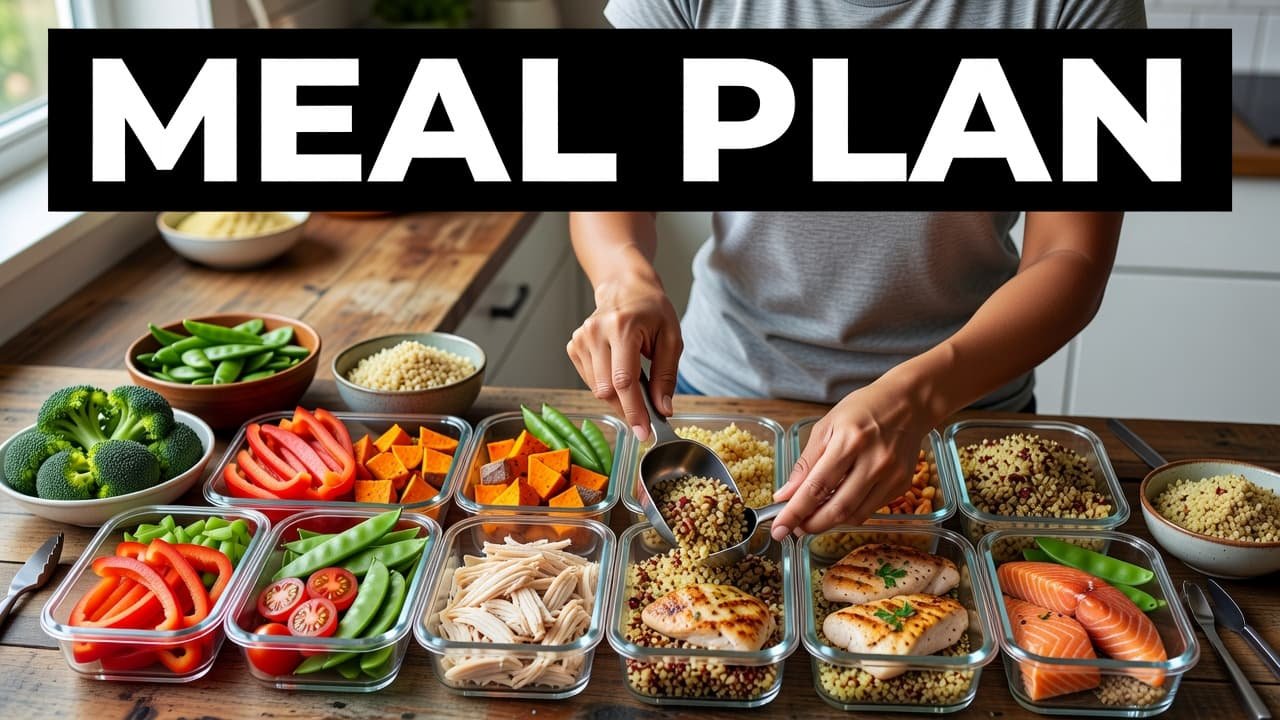
Plan for leftovers by cooking enough protein, grains, or vegetables for another meal. Store leftovers promptly in shallow containers, label them with the date, and use them within a safe period recommended by the USDA. Mix fresh, frozen, and shelf-stable foods so your plan stays affordable and realistic.
A sample day might include oatmeal with berries and peanut butter for breakfast, a turkey and vegetable whole-grain wrap for lunch, yogurt with fruit as a snack, and a dinner of black beans, roasted peppers, brown rice, and avocado. This is an example of meal structure, not a personalized prescription. Your portions and food choices should reflect your hunger, preferences, culture, budget, and health needs.
Smart snacks and drinks that support steady energy
A snack is more satisfying when it combines at least two helpful qualities, such as protein, fiber, or healthy fat. Try an apple with peanut butter, Greek yogurt with berries, carrots and cucumber with hummus, or nuts with a piece of fruit. A whole-grain cracker with cheese can also bridge the gap between meals.
Keep easy snacks where you’ll see them, such as fruit on the counter or roasted chickpeas in a desk drawer. This small step makes a nutritious choice easier when hunger arrives suddenly.
Thirst can sometimes feel similar to hunger, so drink water throughout the day. Sugary drinks can add substantial calories without much fiber, while alcohol may disrupt sleep and increase appetite for some people. Excess caffeine can also cause jitteriness or interfere with sleep, especially later in the day.
Make water your main drink, then adjust based on heat, exercise, medical guidance, and personal preference. Unsweetened tea, sparkling water, and milk can add variety. A flexible approach works best because hydration needs and drink preferences differ from person to person.
Adapting healthy nutrition to your body and lifestyle
Healthy nutrition has to fit your energy needs, routines, culture, budget, and preferences. A balanced eating pattern gives you structure without demanding identical meals or perfect choices every day.
How much should you eat? Use portions, hunger, and fullness cues
Calorie needs vary with age, body size, activity level, medications, health conditions, and other factors. A general article can’t determine your personal calorie target, so avoid treating an online number as a prescription. A registered dietitian or healthcare professional can help if you need precise guidance for weight changes, diabetes, sports, pregnancy, or another medical concern.
For everyday meals, use visual portions instead of weighing everything. Your hand travels with you and offers a simple estimate:
- A palm-sized portion can guide protein foods such as chicken, fish, tofu, eggs, or beans.
- A cupped hand can estimate carbohydrates such as rice, pasta, oats, or potatoes.
- A fist can guide a serving of vegetables or fruit.
- A thumb-sized portion can estimate calorie-dense fats, such as nut butter, cheese, or oil.
These are starting points, not rules. This hand serving-size guide offers additional visual comparisons.
You can also serve a smaller amount first, eat without rushing, and check in before taking more. Are you still physically hungry, or are you reaching for more because the food is available? Does the meal feel satisfying? Are you comfortably full, or uncomfortably stuffed?
Hunger and fullness can change throughout the day. A demanding workout, poor sleep, illness, stress, or a long gap between meals may affect appetite. Responding to those signals is more useful than forcing every meal to match a fixed portion.
Portion guidance should give you a starting point, not a reason to ignore hunger or feel guilty about eating more.
No food needs a moral label such as “good” or “bad.” Enjoying dessert, chips, or a restaurant meal doesn’t cancel your other nutrition habits. Look at your overall pattern and adjust portions based on your needs.
Common nutrition myths and mistakes to avoid
Nutrition misinformation often sounds appealing because it offers one simple answer. Healthy eating rarely works that way.
Carbohydrates aren’t automatically harmful. Beans, fruit, potatoes, oats, and whole grains provide energy and often add fiber and important nutrients. Detox drinks and cleanses also don’t remove mysterious toxins from a healthy person’s body. Your liver and kidneys already process waste, while extreme cleanses can leave you short on energy and nutrients.
Supplements can fill identified gaps, but they can’t replace the fiber, protein, fluids, and variety found in meals. Eating after a certain hour doesn’t automatically cause weight gain either. Total intake, food choices, activity, sleep, and your personal routine matter more than a clock time.
You also don’t need expensive “superfoods.” Frozen vegetables, canned beans, oats, eggs, brown rice, apples, and plain yogurt can support a nutritious pattern at a lower cost. Avoid extreme restriction, unverified online claims, and changing ten habits at once. Check bold promises against trusted health organizations, then ask a qualified professional about advice that affects your health.
Healthy nutrition FAQs and a realistic plan to start today
Healthy eating becomes easier when you replace rigid rules with a few dependable principles. Use these answers to make practical choices that fit your health needs, schedule, budget, and preferences.

### What is the healthiest diet for most people?
For most people, the healthiest diet is varied, balanced, and satisfying. Build meals around vegetables, fruits, whole grains, beans, lentils, nuts, seeds, lean proteins, plant-based proteins, and unsaturated fats such as olive oil, avocado, and fatty fish.
You don’t need to follow one named diet. A Mediterranean-style pattern may work well for some people, while others prefer vegetarian, culturally traditional, or simply home-cooked meals. The right approach must fit your medical needs, culture, budget, and preferences. A plan that looks perfect on paper won’t help if you can’t follow it.
Use your usual meals as a starting point. Add vegetables to pasta, replace some refined grains with whole grains, include beans in soups or tacos, or pair fruit with breakfast. Small upgrades create a stronger eating pattern without requiring a complete reset.
How can I eat healthy on a tight budget?
Affordable nutrition starts with flexible staples. Beans, lentils, eggs, oats, potatoes, brown rice, frozen vegetables, canned fish, and seasonal produce can form the foundation of many balanced meals. Store brands and bulk packages often lower the cost, especially for foods you use regularly.
Plan two meals around the same ingredients. For example, cook brown rice and beans for dinner, then use the leftovers in a bowl or wrap the next day. Before shopping, compare unit prices, not only package prices. A larger container isn’t always cheaper per ounce.
Frozen produce can reduce waste because you use only what you need. Check the pantry before buying more, store food properly, and freeze extra portions when possible. The USDA’s food plans provide examples of nutrient-dense foods and estimated costs.
Do I need vitamins or supplements?
Many people can meet their nutrition needs through a varied diet. Supplements may help in specific situations, such as vitamin B12 for many vegans or folic acid during pregnancy. Your age, medications, laboratory results, and health conditions may change what you need.
Discuss supplements with a doctor, pharmacist, or registered dietitian before taking them. Avoid megadoses, since more isn’t always safer. Supplements also aren’t tested like medicines for every health claim, so treat bold promises with caution.
How quickly will I notice benefits from better eating?
Some changes, such as steadier energy or improved digestion, may appear within days or weeks. Blood pressure, cholesterol, weight, and disease risk usually require more time and depend on several habits.
Focus on consistency rather than one result. Track practical signs, such as regular meals and better food variety, and keep up with routine medical checkups.
Conclusion
Healthy nutrition is built through ordinary choices repeated over time. Eat a varied mix of nutrient-rich foods, build balanced meals with satisfying portions, and drink enough water to support your daily needs. Meal planning can help you handle busy schedules, while flexible thinking keeps one rushed meal or treat from becoming a source of guilt.