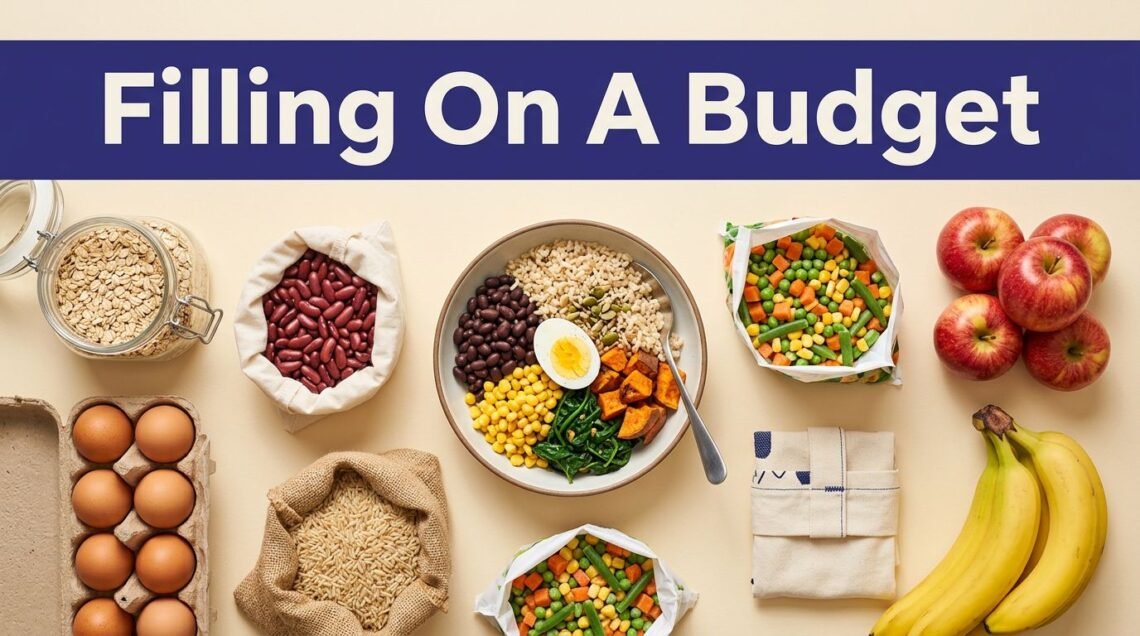
Weight loss doesn’t require pricey powders, tiny portions, or a cart full of specialty foods. A budget weight loss grocery list can be built around ordinary items that keep you satisfied, such as beans, oats, eggs, frozen vegetables, and fruit, forming a dependable weight loss grocery list that supports your goals without breaking the bank.
The aim is to buy foods you will use, enjoy, and can prepare more than one way. A healthy grocery shopping list filled with versatile staples helps you maintain a caloric deficit by reducing last-minute takeout and making balanced meals easier on busy nights.
Start with a short plan based on whole foods, then shop with enough flexibility and smart meal planning to use sales and seasonal produce.
Key Takeaways
- Center meals on lean protein sources and dietary fiber to stay full longer.
- Buy a mix of fresh produce, frozen, canned, and dry foods to control cost and waste.
- Compare unit prices, not just package prices, to stretch your weekly grocery budget further.
- Plan a few repeat meals around ingredients that can work in breakfast, lunch, and dinner.
- Your calorie intake and weight management needs vary, so use this list as a flexible starting point rather than a strict diet.
Build a Budget Weight Loss Grocery List Around Repeat Ingredients
A practical weight loss grocery list starts with ingredients that pull double duty, making it easy to assemble a budget weight loss grocery list that works week after week. For example, a carton of eggs can become breakfast tacos, a vegetable scramble, or a hard-boiled snack, while a bag of rice can stretch a bean bowl, soup, or stir-fry.
Lean protein sources, dietary fiber, and healthy fats each play a useful part while helping you minimize processed foods. Protein helps make meals satisfying, while fiber-rich foods such as lentils, vegetables, oats, and fruit add volume and help meals stick with you. Fats from peanut butter, seeds, or olive oil add flavor, though a little goes a long way.
The Nutrition.gov guidance on food shopping and meal planning recommends planning meals and shopping with a list to help manage food costs, serving as some of the best grocery shopping tips available. That simple routine also makes it easier to buy for real meals instead of impulse snacks.
Avoid building your cart around a single perfect food. Variety makes eating feel less repetitive, while a small set of recurring pantry staples keeps your bill predictable. Choose whole foods and meal planning approaches that fit your culture, cooking skills, schedule, and budget.
A lower grocery bill often comes from using ingredients in several meals, not from buying the cheapest package in every aisle.
The Affordable Grocery List for Filling Meals
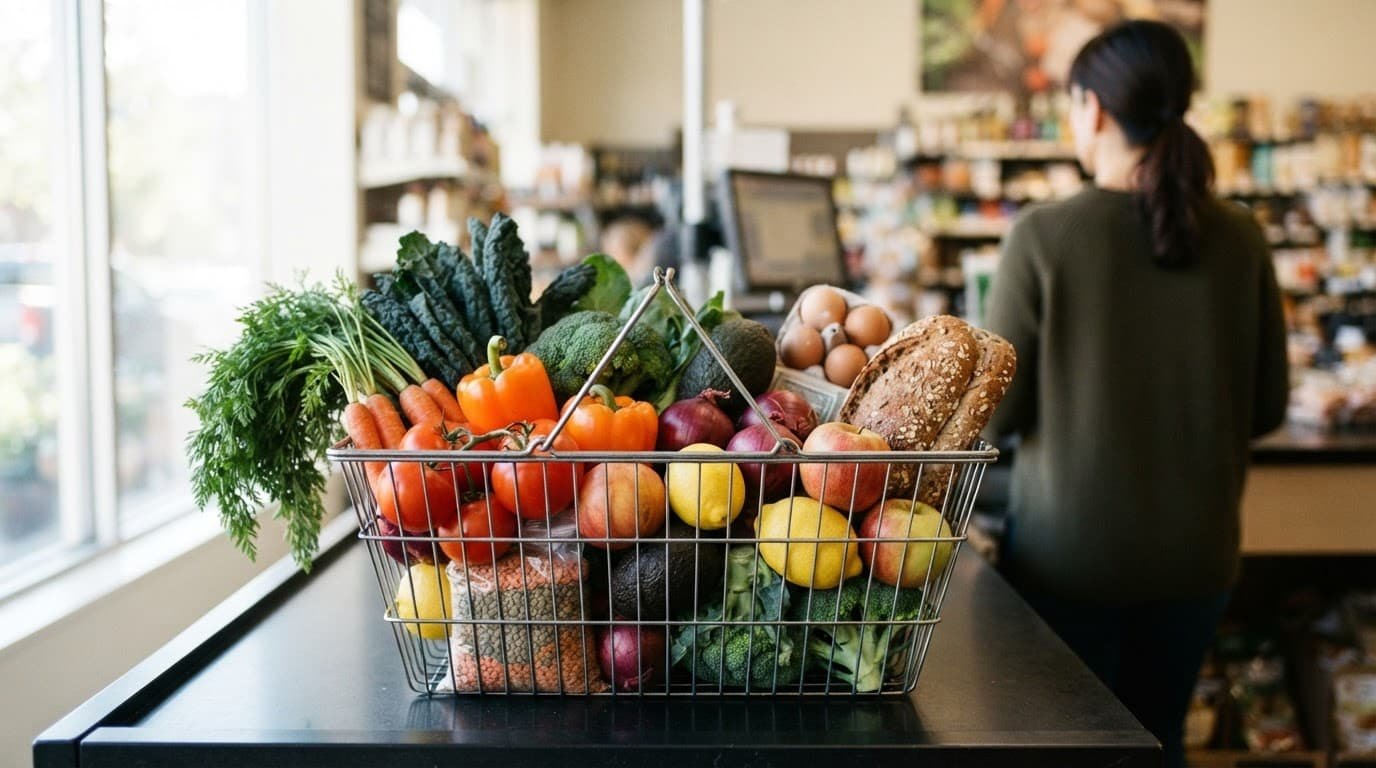
When planning a healthy grocery shopping list, you need a solid weight loss grocery list that acts as a one-week framework for one adult. Adjust the quantities for your household and appetite, and check what you already have before adding items.
| Category | Affordable choices | Easy ways to use them |
|---|---|---|
| Lean protein sources | Eggs, chicken thighs, canned tuna, canned salmon, tofu, plain Greek yogurt, cottage cheese, dried lentils, canned beans | Egg scrambles, yogurt bowls, high protein meals, tuna sandwiches, sheet-pan chicken |
| Complex carbohydrates | Old-fashioned oats, brown or white rice, potatoes, sweet potatoes, whole-wheat pasta, whole-grain bread, corn tortillas | Oatmeal, grain bowls, baked potatoes, soups, whole grains |
| Vegetables | Cabbage, carrots, onions, spinach, broccoli, frozen mixed vegetables, frozen green beans, canned tomatoes | Stir-fries, soups, roasted trays, omelets, pasta sauce |
| Fruits | Bananas, apples, oranges, seasonal fruit, frozen berries, unsweetened canned fruit | Snacks, oatmeal toppings, smoothies, yogurt bowls |
| Healthy fats | Peanut butter, sunflower seeds, olive or canola oil, avocado when on sale, walnuts | Toast, sauces, salad toppings, oatmeal, cooking |
| Pantry staples | Low-sodium broth, garlic, salsa, mustard, vinegar, soy sauce, herbs, spices, popcorn kernels | Flavoring meals without buying new sauces each week |
For canned fruit, choose options packed in water or juice rather than sugar sweetened beverages. When buying canned vegetables or beans, look for low sodium options when they fit your budget. Rinsing canned goods under water can also reduce some of the sodium.
Frozen fruits and vegetables deserve a regular place in your cart. They are picked and frozen close to harvest, keep for weeks, and let you scoop out only what you need. Frozen broccoli, spinach, berries, and mixed vegetables are often more useful than fresh produce that spoils before Friday.
Dried beans and lentils usually cost less per serving than canned versions. However, canned beans still make sense when time is tight. Convenience that helps you cook at home is often money well spent.
For more food-group ideas, this weight-loss grocery list for beginners includes examples of fruits, vegetables, protein foods, whole grains, and dairy options. Use it for inspiration, then focus your own list on foods you will realistically prepare.
Spend Less Without Making Meals Feel Sparse
Prices change by store, season, and neighborhood. Still, several habits consistently help lower your weekly grocery budget and maximize grocery store savings.
First, compare the unit price on shelf labels as part of your essential grocery shopping tips. A larger bag is not always the better value if you will not finish it. Check the price per ounce, pound, or serving, then choose the size that matches your plan.
Store brands are another practical option for getting whole foods on a budget. Items such as oats, canned beans, frozen vegetables, rice, and plain yogurt often have similar ingredients to name brands at a lower price. Read the label if sodium, added sugar, or protein content matters to you.
Plan budget-friendly meals around the weekly circular before writing your list. If chicken thighs, cabbage, or apples are discounted, build two or three meals around them. If a favorite item is not on sale, swap it rather than adding it out of habit. Turkey, eggs, tofu, beans, and canned fish can all fill the protein role in different meals.
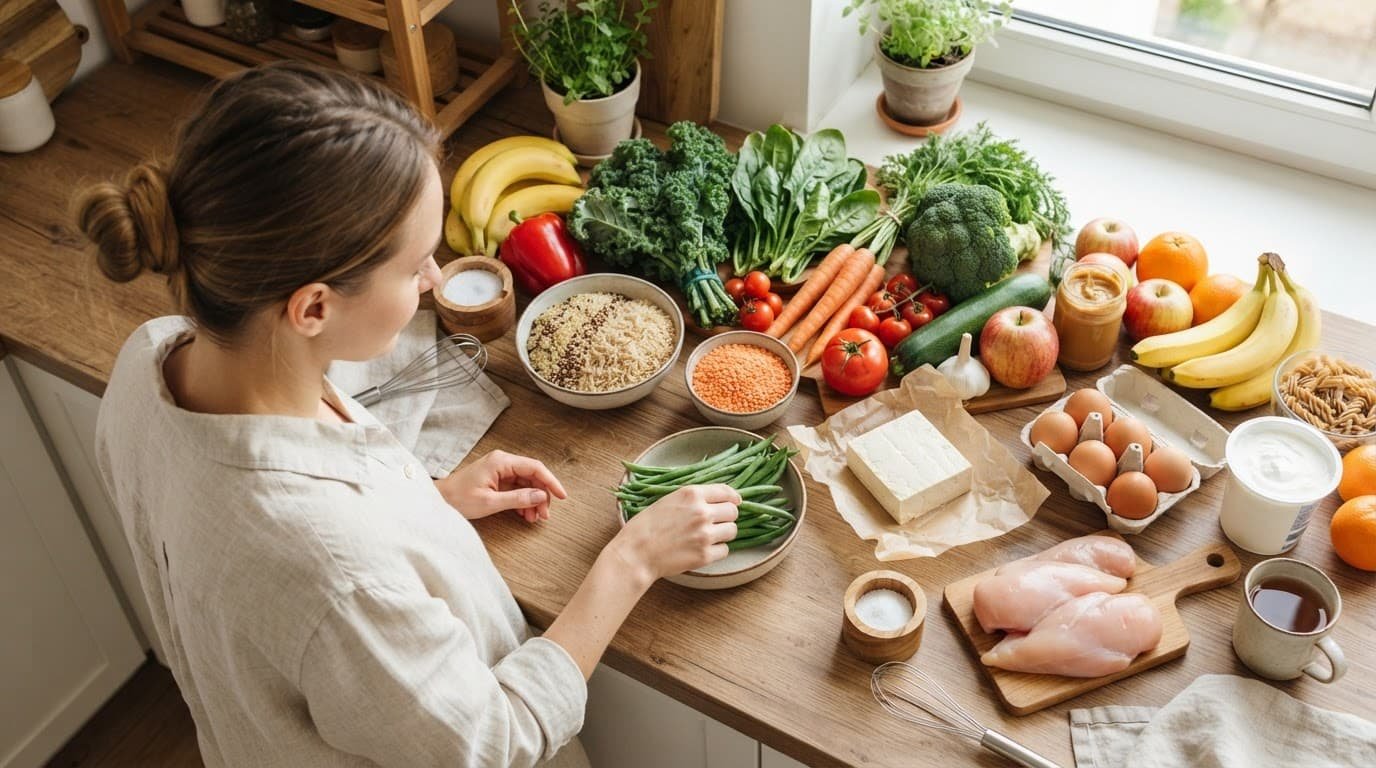
Focusing on food waste reduction can quietly save a bargain. Put delicate produce where you can see it, freeze extra bread, and turn leftover vegetables into soup, fried rice, or a frittata. Keep one flexible dinner each week for odds and ends.
A budget weight loss grocery list works best when it includes foods you look forward to eating. Buy a favorite salsa, seasoning blend, or hot sauce if it makes beans and vegetables more appealing. Flavor supports consistency.
Turn One Cart Into Simple Meals
You do not need a different recipe for every day. Effective meal planning, batch cooking, and high protein meals rely on choosing two breakfasts, two lunches, and three dinners, then repeating them as needed. This reduces waste and makes prep less tiring.
For breakfast, oatmeal with banana and peanut butter is filling and inexpensive. Plain Greek yogurt with frozen berries and whole grains is another option. If you prefer savory food, complex carbohydrates like potatoes paired with eggs and spinach work well within a macro-friendly diet.
Lunch can be a leftover dinner, a tuna and white bean salad, or a rice bowl with black beans, frozen vegetables, salsa, and a spoonful of yogurt. Add an apple or orange when you need something sweet.
For dinner, roast chicken thighs beside potatoes and carrots. On another night, simmer lentils with canned tomatoes, onions, garlic, and spices. A stir-fry of tofu or eggs, frozen vegetables, and rice comes together quickly.
The grocery-list guidance from Hers also emphasizes the combination of protein, fiber-rich carbohydrates, produce, and fats. You do not need perfect portions at every meal to maintain a balanced diet and stay in a caloric deficit. Start by building a plate with a protein source, a high-fiber carbohydrate, and plenty of produce.
Keep Weight Loss Supportive and Personal
Weight loss is not the same for everyone. Calorie needs and daily calorie intake vary with body size, medications, activity, age, sleep, health conditions, and many other factors. A grocery list can support steady habits and help you maintain a safe caloric deficit, but it cannot replace individualized medical advice for weight management.
If you have diabetes, kidney disease, digestive conditions, food allergies, or a history of disordered eating, speak with a registered dietitian or another qualified healthcare professional before making major food changes. Personalized support can help you meet your health needs without extreme restriction, while guiding you toward a balanced diet that limits heavily processed foods and sugar sweetened beverages.
Frequently Asked Questions
How can I make budget-friendly meals keep me full for weight loss?
Center your meals around a combination of lean proteins and high-fiber carbohydrates like beans, oats, and eggs. These foods add volume to your plate and digest slowly, helping you stay satisfied in a caloric deficit without spending extra money.
Are frozen fruits and vegetables as nutritious as fresh ones?
Yes, frozen produce is often just as nutritious—and sometimes more so—because it is picked and frozen at peak ripeness. Choosing frozen options also prevents food waste and reduces your weekly grocery bill by letting you use only what you need.
Do I need to buy expensive name-brand items for weight loss?
No, store brands offer nearly identical nutritional value for whole foods like rice, oats, frozen vegetables, and plain yogurt at a fraction of the cost. Comparing unit prices on shelf labels helps you stretch your budget further while keeping your diet on track.
How can I reduce food waste with a budget grocery list?
Plan your meals around versatile ingredients that can be used across multiple dishes, such as eggs, vegetables, and grains. You can also freeze extra bread, store delicate produce carefully, and turn leftover vegetables into soups or frittatas at the end of the week.
A Cart You Can Use Week After Week
The most useful budget weight loss grocery list is one that keeps food costs manageable and makes everyday meals easier. Start with affordable lean protein sources, fiber-rich pantry staples, produce you can use before it spoils, and a few flavors you enjoy.
Building a sustainable healthy grocery shopping list means focusing on whole foods that support your goals without complicating your routine. When your kitchen relies on a reliable weight loss grocery list with flexible basics, a satisfying meal is usually closer than takeout.
Healthy Weight Loss in 2026: A Beginner’s Guide to Getting Started