A busy gym can feel intimidating when you aren’t sure how to adjust the equipment, where to begin, or whether everyone is watching you. The good news is that the convenience of 24/7 access and an effective anytime fitness workout for beginners mean your routine doesn’t need to be long, intense, or complicated. At Anytime Fitness, anytime fitness routines for beginners are designed to help you build confidence without the pressure.
I recommend starting small as you begin your fitness journey, using beginner-friendly machines such as the treadmill, chest press, leg press, and lat pulldown, then focusing on consistency instead of trying to impress anyone. I’ll walk you through a short machine workout, a simple beginner circuit, practical gym etiquette, and progression tips that can make your first few visits feel easier.
Key Takeaways
- Start small with a 20-30 minute session using beginner-friendly equipment like the treadmill, chest press, leg press, and seated row.
- Focus on consistency and familiarity during your first few visits rather than maximum weight or high intensity.
- Prepare before you go by touring your local fitness club, planning your exercises, and visiting during quieter hours to reduce gym anxiety.
- Use a progressive approach by changing only one factor at a time once your current workout feels comfortable.
Anytime Fitness Anytime Fitness Workouts for Beginners Who Feel Intimidated by the Gym
Feeling unsure at the gym is common, especially when unfamiliar machines and experienced members surround you. My best advice is to remove as many decisions as possible before you arrive. A short plan, a quiet time slot, and one clear goal can make an Anytime Fitness workout feel manageable.
What to Do Before the First Gym Visit
A few minutes of preparation can prevent the awkward feeling of wandering around without a plan. Before leaving home, use this checklist:
- Tour your local gym location so you know where the treadmills, strength machines, restrooms, and water fountains are located.
- Review your membership options and ask a staff member to demonstrate the machines you plan to use. Request help with seat adjustments, pin settings, and safe starting positions.
- Save your workout in your phone, including the exercise order and approximate time for each part.
- Pack comfortable clothes, supportive shoes, a water bottle, and headphones if music helps you concentrate.
- Choose a quieter time, such as mid-morning, mid-afternoon, or later in the evening, depending on your club schedule.
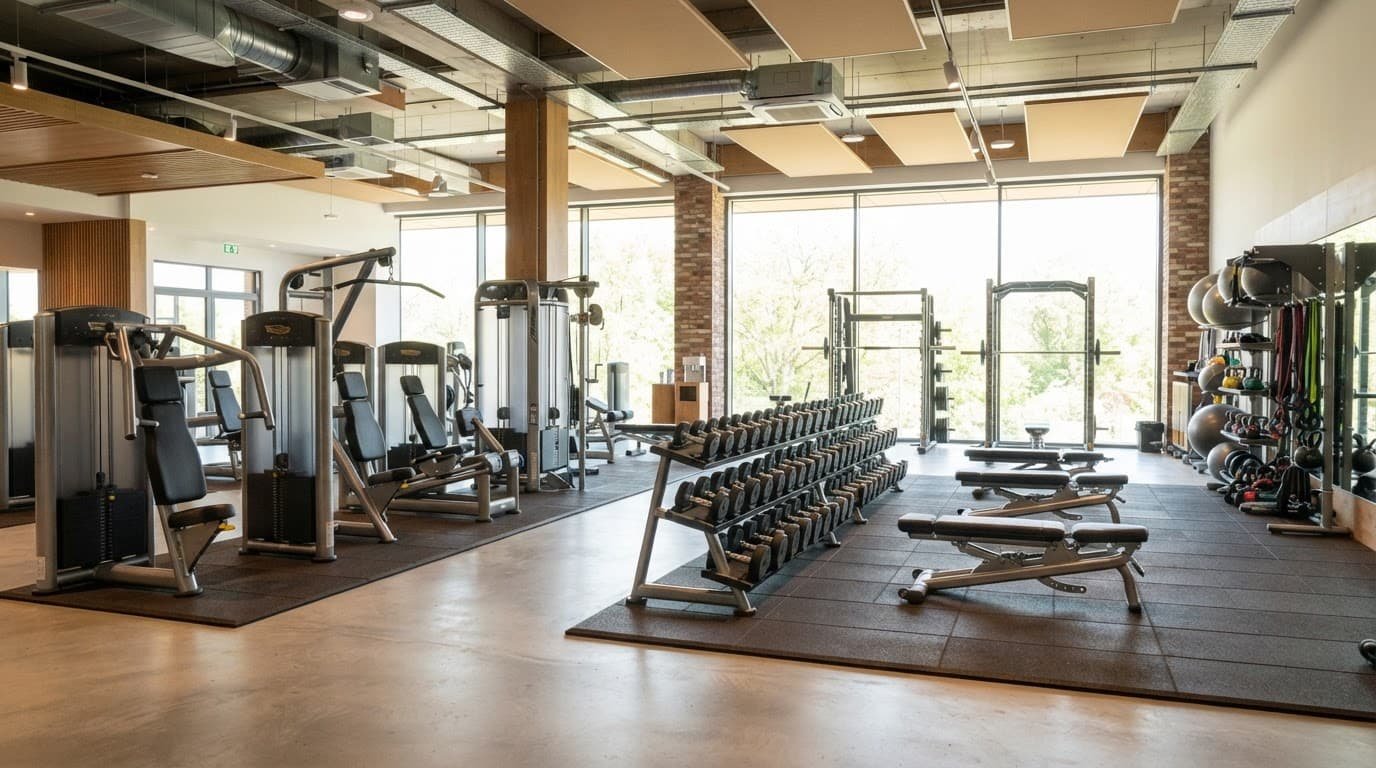
If you feel nervous, visit once just to walk around and learn the layout. You don’t need to complete a full workout on your first appearance. Headphones or a calming playlist can also help you stay focused, but keep the volume low enough to hear staff and safety announcements.
Set a goal based on what you can control, rather than calories burned or the amount of weight you lift. Because this popular fitness franchise is designed to support everyday people, focusing on long-term health and fitness will keep your mindset positive. Staying for 15 minutes, learning how to use two machines, or completing your warm-up all count as successful first steps. Anytime Fitness also recommends a five- to 10-minute warm-up in its beginner exercise guide.
A Simple First-Day Gym Routine
Plan to spend about 20 to 30 minutes inside the local fitness club. Start with five to six minutes of easy treadmill walking. Keep the pace comfortable enough that you can speak in complete sentences. The goal is to raise your body temperature, not test your endurance.
Next, complete one light set of each exercise below:
- Seated leg press
- Chest press
- Seated row
- Seated leg curl
Use a weight that lets you move slowly and maintain control. One set is enough for your first day because you are learning the equipment, checking your range of motion, and building confidence. Ask staff to help with every seat adjustment and pin setting instead of guessing.
Finish with five minutes of relaxed walking or gentle stretching. If a machine feels uncomfortable, stop and ask for help. You can also record the weights and settings in your phone, which makes the next Anytime Fitness workout easier to repeat. The chain’s beginner workout routine also emphasizes a gradual mix of warm-up, strength work, cardio, and cooldown.
Three Beginner Workout Plans for the Anytime Fitness Gym
These three Anytime Fitness workouts give you different ways to start, depending on your comfort level and energy. Choose the machine plan when you want structure, the circuit when you want variety, or the cardio session when building gym confidence is your main goal. When you want a workout anytime to fit your schedule, these structured routines keep things simple.
The 20-Minute Machine Workout for a Quiet, Focused Session
Selectorized fitness equipment can make a first workout easier because you have fewer decisions to make. The seat, movement path, and weight pin provide a clear starting point, although equipment names and availability can vary by club. Unlike intense group formats like Orangetheory Fitness, a solo machine plan lets you set your own pace without feeling rushed.
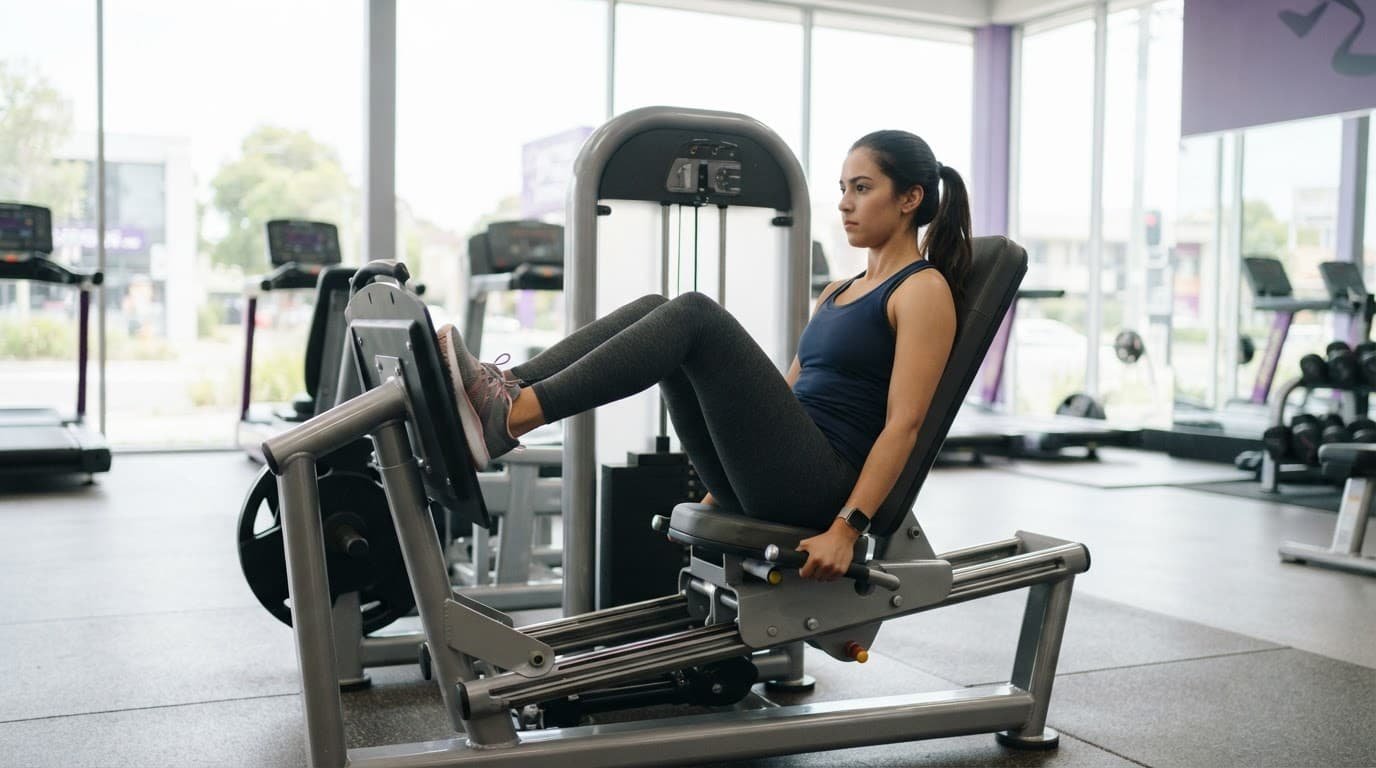
Start with five minutes of easy treadmill walking. Then complete one or two sets of each exercise:
- Seated leg press
- Machine chest press
- Seated row
- Lat pulldown
- Seated leg curl
Use 8 to 12 controlled repetitions per set, resting for 60 to 90 seconds. Select a starting weight that feels light enough for practice. You should finish each set with two or three good repetitions still available.
Move the weight smoothly in both directions. Keep your back supported, avoid locking your joints forcefully, and pause if the machine position feels uncomfortable. If your form starts to change, end the set rather than forcing another repetition. I also recommend asking a team member to check your seat height and range of motion during your first visit.
For more guidance on starting strength training with light weights and beginner-friendly movements, review Anytime Fitness strength training advice.
The 15-Minute Beginner Circuit With Simple Movements
This circuit uses bodyweight exercises and one light dumbbell. Work for 30 to 60 seconds, then rest for 15 to 30 seconds before moving on:
- Step-ups
- Bodyweight squats
- Light dumbbell rows
- Glute bridges
- Incline push-ups
- Seated or standing shoulder presses
- Plank
Complete the circuit once during your first few visits. You can repeat it later, but early sessions should help you learn the movements without leaving you exhausted. Skip jumping jacks if they feel uncomfortable, and march in place instead.
For knee concerns, replace step-ups with seated leg extensions or controlled sit-to-stands from a bench. Use a wall or stable support for balance. If your wrists hurt during planks or push-ups, perform them against a wall or hold a forearm plank with your elbows on a bench.
The Easy Cardio Workout for Building Comfort
Choose the treadmill, elliptical, or stationary bike and begin with five minutes at an easy pace. Continue for 10 minutes at a speed or resistance that allows conversation, then finish with five minutes of slow movement. Members transitioning from guided video apps like Apple Fitness+ can easily adjust to cardiovascular machines at the club by using this gradual approach.
I use the talk test instead of chasing a high speed. If you can speak in short sentences but feel warmer and slightly breathless, the effort is appropriate for a beginner cardio workout. When 20 minutes feels overwhelming, split the session into three 10-minute blocks during the day. That still gives you a practical way to build consistency.
How to Use Gym Equipment Without Feeling Lost
You don’t need to understand every machine before starting an anytime fitness workout. Learn one adjustment at a time, use a light weight, and treat your first few sessions as practice. Once you know how to set up the equipment and move respectfully around other members, the gym feels much easier to navigate.
### Machine Setup and Form Checks for Beginners
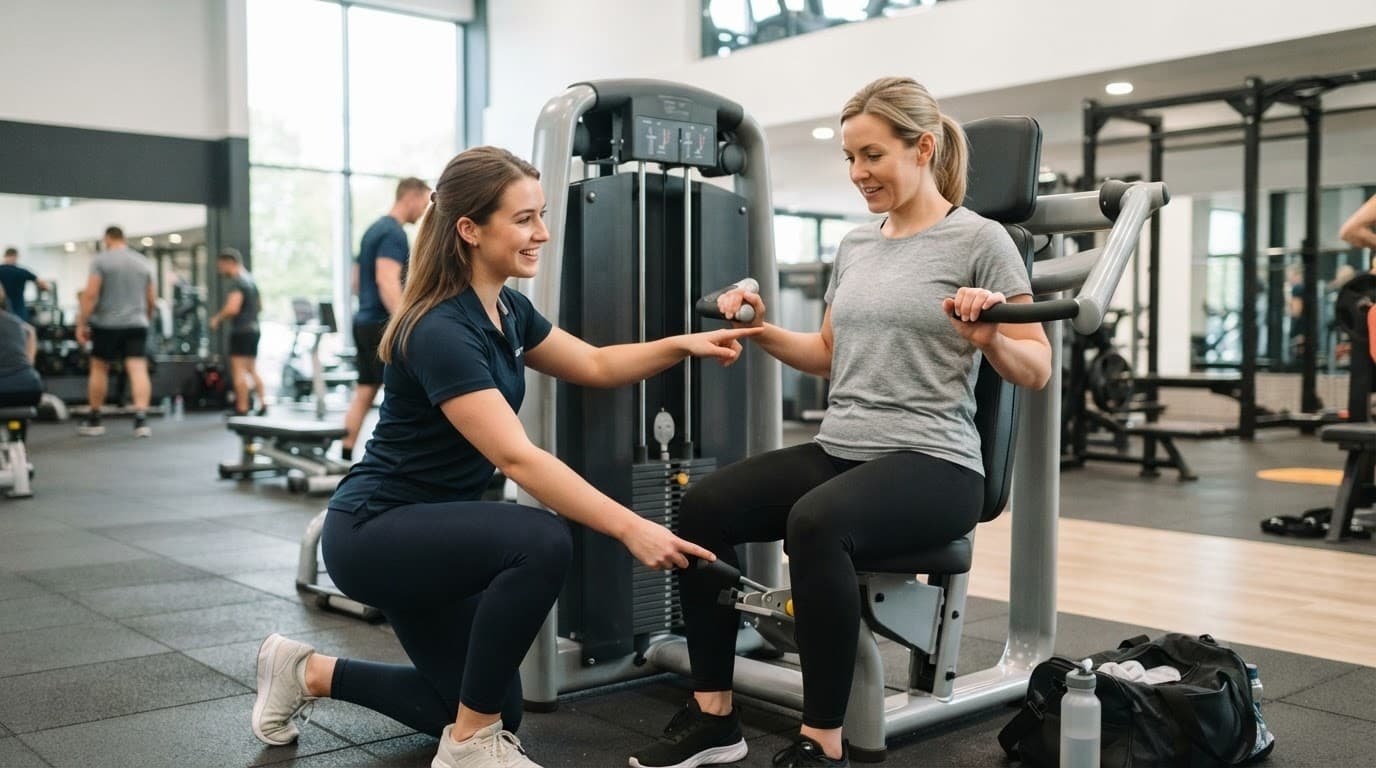
Before adding weight, adjust the seat, back pad, and handles so your body starts in a comfortable position. Machine models and layouts may vary slightly by franchise location, but the setup principles remain identical. The machine’s pivot should line up with the joint it is designed to move. For example, your knee should line up with the leg curl’s pivot, while your elbows and shoulders should feel natural on a chest press or pulldown.
Keep both feet planted on the floor or platform unless the exercise specifically requires another position. Your back should stay supported when the machine provides a back pad. Then perform each repetition at a controlled speed, especially while returning the weight.
Avoid locking your elbows or knees forcefully at the end of a repetition. Jerking, bouncing, or using momentum usually means the weight is too heavy or the machine is poorly adjusted. Reduce the load and ask for help if the movement feels painful, uneven, or unstable.
A staff demonstration can save you several minutes of guessing. During your first visit, ask someone to show you the:
- Leg press
- Chest press
- Seated row
- Lat pulldown
- Leg curl
I often recommend repeating the demonstration with an empty or very light setting. You can also check your position in a mirror or record a short form video, but only if that helps you learn. If filming makes you self-conscious, skip it and ask a staff member about structured training solutions to clear up any equipment confusion. Gold’s Gym also recommends adjusting a machine to fit your body before selecting a working weight in its beginner machine workout guide.
Gym Etiquette That Makes Each Visit Easier
Good gym etiquette is simple: leave each station ready for the next person. Wipe down the seat, handles, and pads after use, then return plates, dumbbells, and accessories to their storage areas. Keep your bag and water bottle out of walkways so nobody trips.
If someone is waiting, avoid sitting on a machine while scrolling through your phone. You can change your workout order when equipment is occupied, or politely ask to share it. Try these phrases:
- “How many sets do you have left?”
- “Can I work in?”
- “Are you still using these dumbbells?”
A person lifting a challenging barbell should also have a spotter, especially for bench presses, squats, or other free-weight exercises where failing safely is difficult. When in doubt, ask a staff member for help. The Anytime Fitness etiquette guide also recommends wiping equipment, re-racking weights, and respecting other members’ space as part of a great anytime fitness routine.
A Week-by-Week Plan for Building Confidence and Strength
A beginner workout plan works best when it gives you structure without making every session feel like a test. I prefer starting with short, repeatable anytime fitness workouts, then adding difficulty only after your body and schedule adjust.
### How Often to Work Out When Starting From Zero
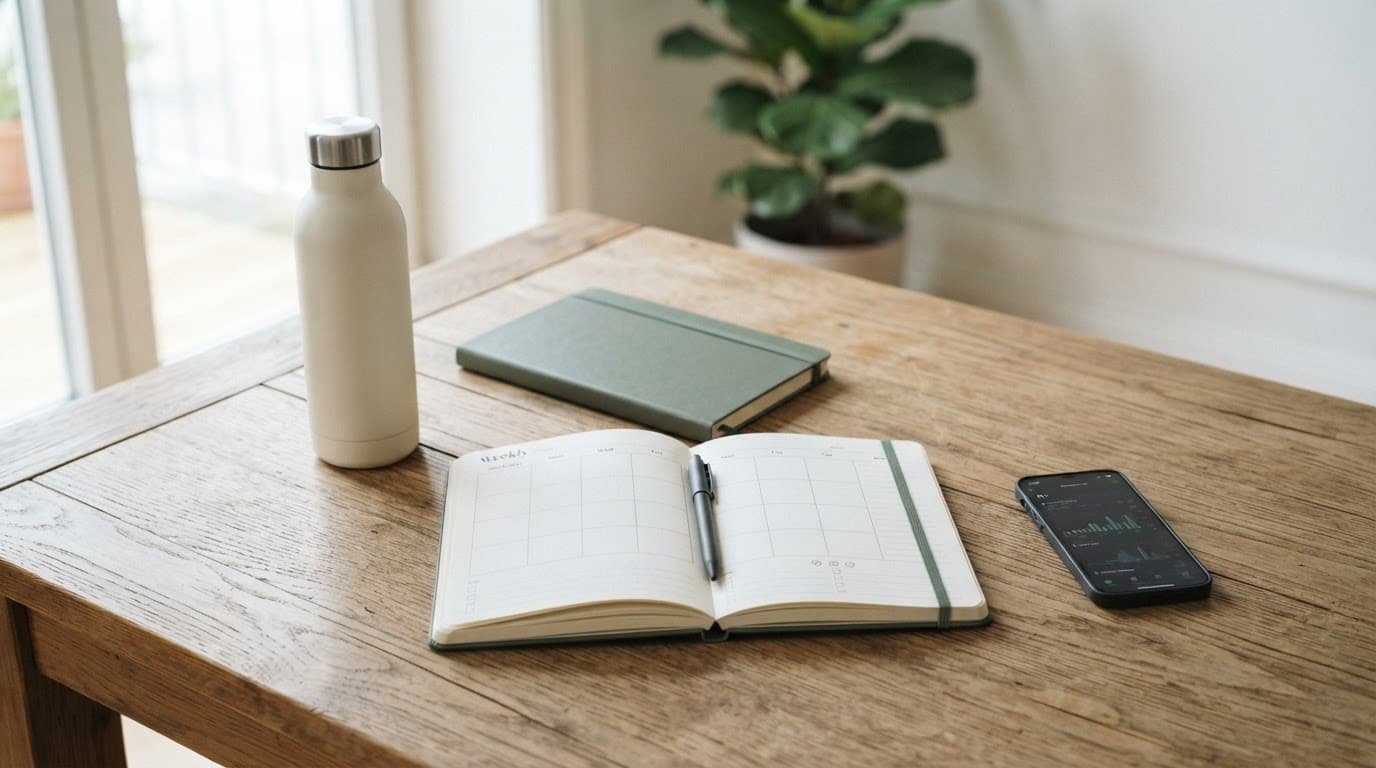
Begin with two strength sessions per week on nonconsecutive days, such as Monday and Thursday, to establish a foundation for overall physical fitness. Use the leg press, chest press, seated row, and leg curl for one or two controlled sets. Add one or two easy walks, treadmill sessions, or bike rides on separate days.
Public health guidance often recommends 150 minutes of moderate cardio each week, along with muscle-strengthening activity at least two days weekly. However, you do not need to reach 150 minutes immediately. If you currently do very little activity, two 20-minute workouts and a couple of short walks are a sensible starting point.
Anytime Fitness also provides a beginner workout routine that alternates strength, cardio, and recovery. That same rhythm can work well for your first month:
- Week 1: Complete two 20-minute strength workouts and one easy walk.
- Week 2: Repeat the schedule and add a second walk if your energy stays steady.
- Week 3: Keep two strength sessions and make one cardio session slightly longer.
- Week 4: Repeat the week that felt most manageable before adding more work.
Muscle soreness can appear after your first few sessions. Give the same muscle groups adequate time for personal recovery, and choose walking or rest when soreness changes your movement. If your energy is low, a shorter session still supports the habit, and you can always utilize stretch zones or premium recovery amenities when you finish.
When to Add Weight, Time, or More Exercises
Use one simple rule: change one factor at a time after the current workout feels manageable for at least two sessions. You might add one or two repetitions, increase the machine weight by a small amount, or extend cardio by five minutes.
For example, complete two sets of 10 leg presses with steady form before trying 12 repetitions. If that feels controlled again, add a small weight increase during a later session. A 10% to 20% increase may fit a later training phase, but smaller changes suit nervous beginners better.
Progress also includes better control, smoother machine setup, shorter recovery periods, and showing up consistently. I would rather see you repeat a comfortable workout for three weeks than rush into heavier weights and lose confidence.
How to Handle Missed Workouts and Low-Motivation Days
Missed workouts are normal. When work, stress, travel, or poor sleep interrupts your plan, restart with the next scheduled session instead of trying to punish yourself.
On a difficult day, use a minimum workout:
- Walk easily for 10 minutes.
- Complete one light set on two machines.
- Leave while you still feel capable of returning.
Keep the next appointment on your calendar, and don’t double the workload to compensate. I prefer plans flexible enough to survive real life. Judge your progress across several weeks, because one missed anytime fitness workout says very little about your overall consistency.
Gym Anxiety Strategies That Make Anytime Fitness Feel More Comfortable
Gym anxiety usually becomes easier when each visit has a clear purpose. You don’t need to feel confident before walking into Anytime Fitness. Instead, use short workouts, familiar equipment, and manageable goals to build confidence through repeated experience. As part of the wider network of self esteem brands, this fitness franchise focuses on welcoming everyday people rather than elite athletes, making it an ideal choice for anyone looking for a supportive environment.
### Small Goals That Replace the Pressure to Perform
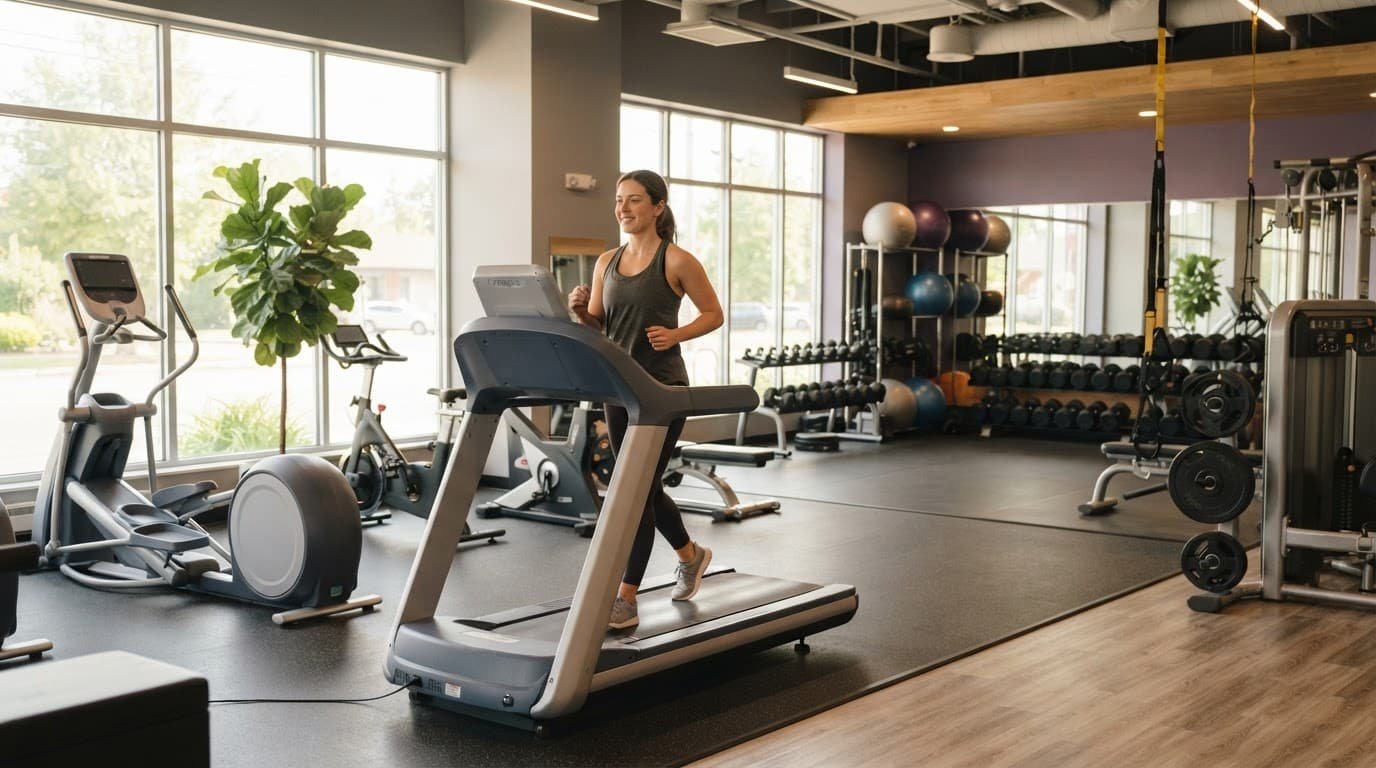
A crowded gym can make every exercise feel like a performance. I avoid that pressure by setting goals based on participation, not weight lifted, calories burned, or how athletic I look. This approach turns each visit into a positive wellness experience instead of a test. The University of Rochester also recommends starting with short sessions and focusing on the process in its gym anxiety guidance.
For your next Anytime Fitness visit, choose one or two goals from this list:
- Complete a five-minute treadmill warm-up.
- Learn how to adjust one machine.
- Stay in the club for 20 minutes.
- Greet a staff member when you arrive.
- Finish one light set with controlled form.
- Return to the gym twice in the same week.
These goals create evidence that you belong there. You arrived, learned something, and followed through. That evidence matters more than having a perfect workout, especially during your first few visits.
I might spend one session learning the leg press and chest press without increasing the weight. During the next visit, I can repeat those machines and add a seated row. Familiarity grows through repetition, so anxiety may still appear while the environment becomes easier to understand. Choosing a quieter corner of your chosen gym location also helps reduce social pressure while you practice these movements.
A successful workout can mean leaving with more familiarity, not more fatigue.
Write each completed goal in your phone or workout notes. Seeing several small wins can make the next visit feel less uncertain. If anxiety remains strong, shorten the session rather than abandoning the routine completely.
When a Trainer, Friend, or Class Can Help
Extra support is useful when you keep postponing visits, feel confused by equipment, or worry that poor technique could cause an injury. A friend can make the first few sessions more comfortable simply by providing company. Choose someone patient who won’t rush you or turn a beginner workout into a competition.
A trainer can demonstrate safe technique, adjust machines, and create a plan that fits your current fitness level. Ask the club whether you can receive a trainer introduction or a basic equipment orientation. You can also ask which sessions are designed for beginners.
A class removes much of the decision-making because the instructor provides the exercises and timing. Before signing up, ask about the class level, expected intensity, and available modifications. Pick support that helps you feel capable. You should leave with clearer direction, not the feeling that you had to keep up with everyone else.
Frequently Asked Questions
What should I do on my very first day at Anytime Fitness?
Plan to spend 20 to 30 minutes at the gym by starting with a five-minute treadmill warm-up, followed by one light set on a few basic machines like the leg press and chest press. Finish with gentle stretching or walking to build confidence without overexerting yourself.
How can I deal with gym anxiety as a beginner?
Remove the pressure to perform by setting small, controllable goals such as learning how to adjust one machine or staying in the club for 20 minutes. Visiting during off-peak hours and listening to calming music can also make your time at anytime fitness workouts feel much more manageable.
How often should I work out when starting from zero?
Begin with two strength training sessions per week on nonconsecutive days, complemented by one or two easy walks. This balanced rhythm helps you build a solid foundation while giving your body enough time to recover and adapt to your new anytime fitness routine.
What if I miss a scheduled workout?
Do not punish yourself or try to double your workload to compensate. Simply restart with your next scheduled session and focus on your long-term consistency across several weeks.
Conclusion
Starting an anytime fitness routine becomes easier when you remove unnecessary decisions. Visit during a quieter time, warm up for a few minutes, then follow a short machine-based full-body routine with light weights and comfortable effort. The leg press, chest press, seated row, and leg curl give you a clear starting point without requiring advanced gym experience.
Your first goal is familiarity and consistency, not maximum weight or intense soreness. Return once or twice per week, repeat the same plan until the equipment feels more familiar, and increase the challenge only when you can maintain steady form. A calm 20-minute session at your local fitness club still counts as meaningful progress.
I would rather see you complete a manageable workout and come back than force a hard session that makes anytime fitness feel worse. Choose one simple plan, write the exercises in your phone, and take the first step you can handle today.