

Healthy weight loss isn’t a crash diet or a test of willpower. In my experience, steady progress on any weight loss journey comes from simple habits I can repeat, even when life gets busy, rather than extreme plans that are difficult to maintain.
This beginner’s guide to healthy weight loss in 2026 covers the full process, including setting a safe goal, building balanced meals, choosing realistic exercise, improving sleep, tracking progress, and maintaining results over time. Your weight, health, medications, age, and medical history all affect which approach makes sense, so don’t compare your plan with someone else’s. If you have a medical condition, a history of eating disorders, are pregnant, or have questions about weight-loss medication, speak with a qualified health professional before making major changes. Start by focusing on gradual weight loss to set a safe, practical goal that fits your health and daily routine.
For an additional beginner-friendly perspective, see this healthy weight loss video.
Key Takeaways
- Focus on sustainable lifestyle habits rather than extreme crash diets or short-term fixes.
- Build balanced meals using the plate method: half vegetables and fruit, a quarter protein, and a quarter high-fiber carbohydrates.
- Combine regular moderate aerobic exercise with strength training to preserve muscle and support long-term health.
- Prioritize consistent sleep, stress management, and daily routines to reduce decision fatigue and control emotional eating.
- Track progress using multi-week trends, clothing fit, energy levels, and waist measurements rather than relying solely on daily scale weight.
A Beginner’s Guide to Healthy Weight Loss Starts With the Right Goal
Healthy weight loss means improving your eating, activity, and daily routines in ways you can continue for months and years. Gradual progress is usually easier to maintain than rapid loss because it gives you time to practice habits without building your life around extreme restriction.
I would focus on clear behavior goals, such as preparing most meals at home or walking after dinner, rather than placing all my attention on a target number. The scale matters, but it is only one part of the picture. Waist size, energy, fitness, blood pressure, blood sugar, sleep, and consistency with daily habits can show progress too.
How to Set a Safe, Measurable Weight Loss Target
Start by recording a useful baseline. You might note your current weight, waist measurement, typical meals, activity level, sleep, and any health readings your clinician has shared. This gives you a starting point based on your life, rather than a comparison with someone else’s results.
Next, write a time-based goal that describes direction without promising a guaranteed outcome. For example, you could commit to following a balanced meal routine and walking regularly for the next eight weeks. If gradual weight loss is part of that goal, review the trend over several weeks instead of expecting the same change every week. The CDC’s guidance on losing weight also recommends practical short-term actions, such as replacing sugary drinks with water or taking an evening walk.

Break the larger goal into actions you can schedule:
- Choose one meal habit, such as adding vegetables to lunch or planning weekday breakfasts.
- Pick an activity you can repeat, such as a 15-minute walk after dinner.
- Decide when you will check your progress, then record the results without judging yourself.
- Adjust one habit at a time if the plan feels too difficult.
Scale weight can change because of water, sodium, menstrual cycles, stress, constipation, and digestion. A higher reading after a salty meal does not prove that your plan failed. I prefer looking at weekly or multi-week patterns, while also tracking how my clothes fit, how I feel during activity, and whether my routines are becoming more consistent.
Even a modest percentage of starting body weight may improve health markers for some people, including blood pressure or blood sugar. However, outcomes vary, and BMI remains only a screening tool, not a complete measure of health, fitness, body composition, or nutrition status. Online advice, smart scales, and appetite medications may offer support in 2026, but none replaces a thoughtful approach to healthy weight loss and long-term weight management.
When Weight Loss Needs Medical Guidance First
Talk with a clinician before making major changes if you have:
- Diabetes or high blood pressure
- Kidney disease, heart disease, or thyroid concerns
- Pregnancy or breastfeeding
- Medications that affect weight, appetite, blood sugar, or blood pressure
- Unexplained weight loss or weight gain
- A current or past history of disordered eating
A clinician or registered dietitian can review your labs, medications, nutrition needs, medical history, and safe options. They can also help you decide whether a structured program or medication fits your situation.
Eating disorder symptoms need treatment as a health concern, not a stricter diet. If tracking food, restricting meals, bingeing, purging, or weighing yourself causes fear or feels impossible to control, seek qualified support before pursuing weight loss.
Build Healthy Eating Patterns Without Extreme Diet Rules
I build healthy weight loss around meals that keep me satisfied, fit my budget, and work on ordinary weekdays. A sustainable calorie deficit usually comes from food choices, portions, meal structure, and activity together. Cutting out an entire food group rarely makes a plan easier to maintain.
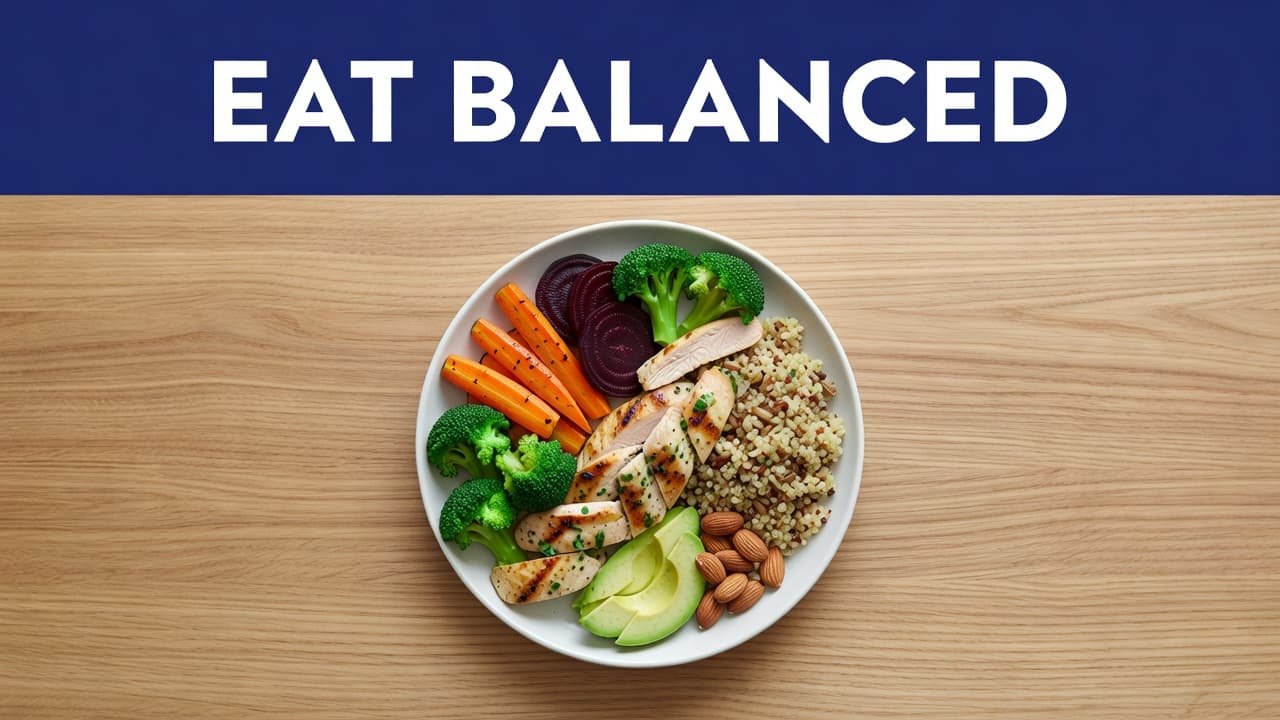
I use a simple plate pattern: fill about half the plate with vegetables or fruit, add a quarter of protein, include a quarter of high-fiber carbohydrates, and finish with a small amount of healthy fat. The Healthy Eating Plate guide offers a helpful visual starting point.
The Best Foods for Fullness, Energy, and Better Nutrition
Vegetables, fruit, beans, lentils, whole grains, eggs, lean meat and fish, yogurt, tofu, nuts, seeds, and other minimally processed foods give meals more nutrition and staying power. Protein and fiber slow digestion, which can make it easier to manage hunger between meals.
I might add berries and Greek yogurt to breakfast, beans and chicken to a grain bowl, or lentils to soup. A snack of an apple with peanut butter, carrots with hummus, or cottage cheese with fruit adds structure without requiring complicated recipes. At dinner, brown rice, roasted vegetables, and tofu can make a filling meal without expensive ingredients, while a plant based diet can provide plenty of alternative options.
Processed foods aren’t automatically forbidden. Whole-grain bread, canned beans, frozen vegetables, and plain oatmeal are processed in useful ways. However, highly calorie-dense foods, such as chips, candy, pastries, and some fast-food meals, are easier to overeat because small portions contain substantial calories. I include flexible treats while paying attention to portions and how often they appear.
### How to Create a Simple Calorie Deficit Without Obsessive Tracking
If you don’t want to count calories, use portion control as your guide. Serve food on a plate instead of eating from a package, make water or unsweetened drinks your default, choose smaller liquid-calorie portions, and eat slowly enough to notice fullness. Planned snacks can also prevent arriving at dinner overly hungry.
For people who find data useful, short-term tracking can reveal patterns in portions, drinks, protein, and fiber. I would track for a week or two, then use what I learn to adjust meals. Tracking should support awareness, not create fear, guilt, or punishment.
Avoid very low-calorie diets, detoxes, laxatives, and unregulated fat burners. These approaches can create health risks and rarely teach practical eating habits. A manageable deficit should leave room for nourishing meals, normal social occasions, and daily activity.
Meal Planning and Grocery Habits That Make Healthy Choices Easier
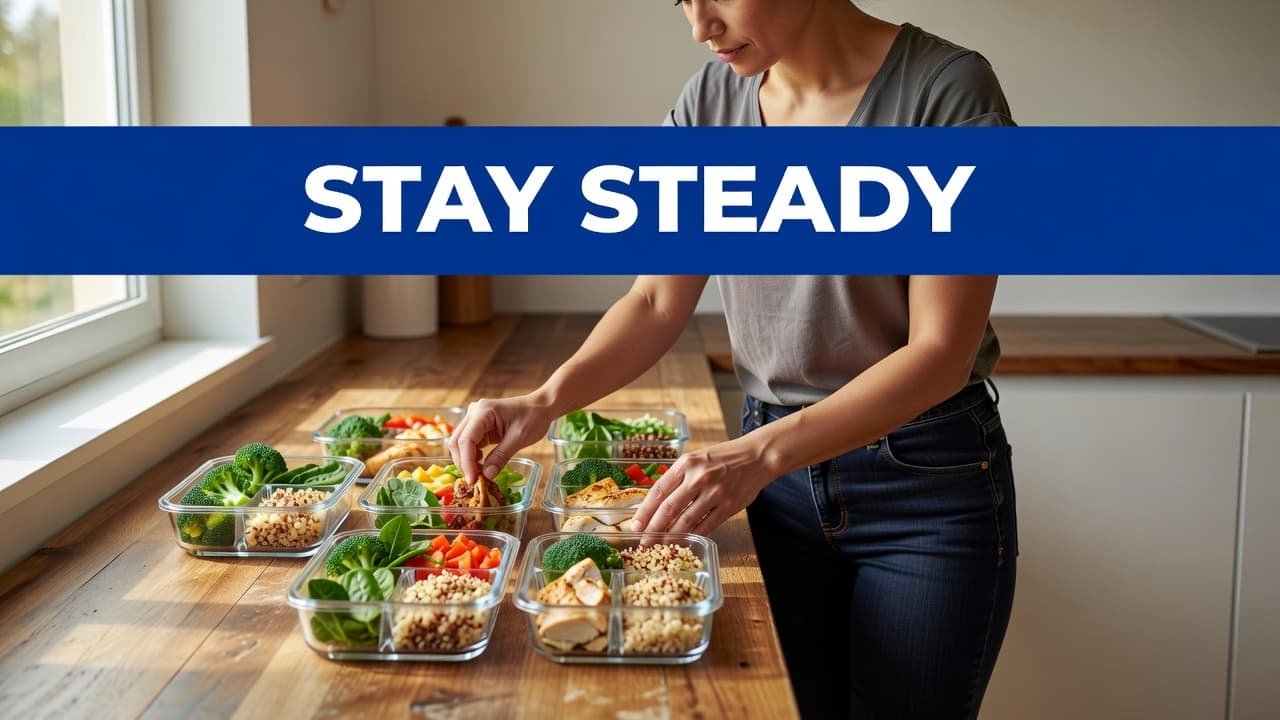
Each week, I choose a few proteins, vegetables, fiber-rich carbohydrates, and quick backup meals. My list might include eggs, yogurt, canned tuna, tofu, frozen vegetables, fresh fruit, oats, whole-wheat tortillas, brown rice, beans, and nuts.
Batch cooking one protein and one grain can simplify several meals. Frozen produce and low-sodium canned foods also reduce waste and preparation time. For busy days, I keep backup options such as a bean-and-rice bowl, a turkey sandwich with fruit, or a vegetable omelet.
When I eat with family, I serve shared foods and let everyone choose portions. At restaurants, I can order grilled protein, vegetables, and a starch, then save part of a large meal. I choose an eating style based on foods I enjoy, my culture, budget, and schedule. That flexibility makes healthy weight loss more realistic than following a diet that ignores my life.
Add Exercise That Supports Fat Loss, Strength, and Daily Health
Exercise can support heart health, fitness, mood, muscle retention, and long-term weight maintenance. I don’t use it to punish myself for eating or to “earn” meals. Instead, I choose activity that helps me feel stronger and fits my ordinary schedule.
A beginner plan can include walking, moderate aerobic activity, strength training, mobility work, balance practice, active chores, and short movement breaks. The CDC’s adult activity guidelines use 150 minutes of moderate physical activity and muscle-strengthening activity on at least two days each week as a general target. If you’re starting from a low fitness level, treat that as a direction, not a requirement for your first week.
A Beginner-Friendly Weekly Workout Plan
I would start with an amount I can repeat without excessive soreness or exhaustion. For example, try three 15-minute walks on separate days, two short full-body strength sessions, and one optional activity you enjoy, such as swimming, dancing, cycling, or an easy hike.
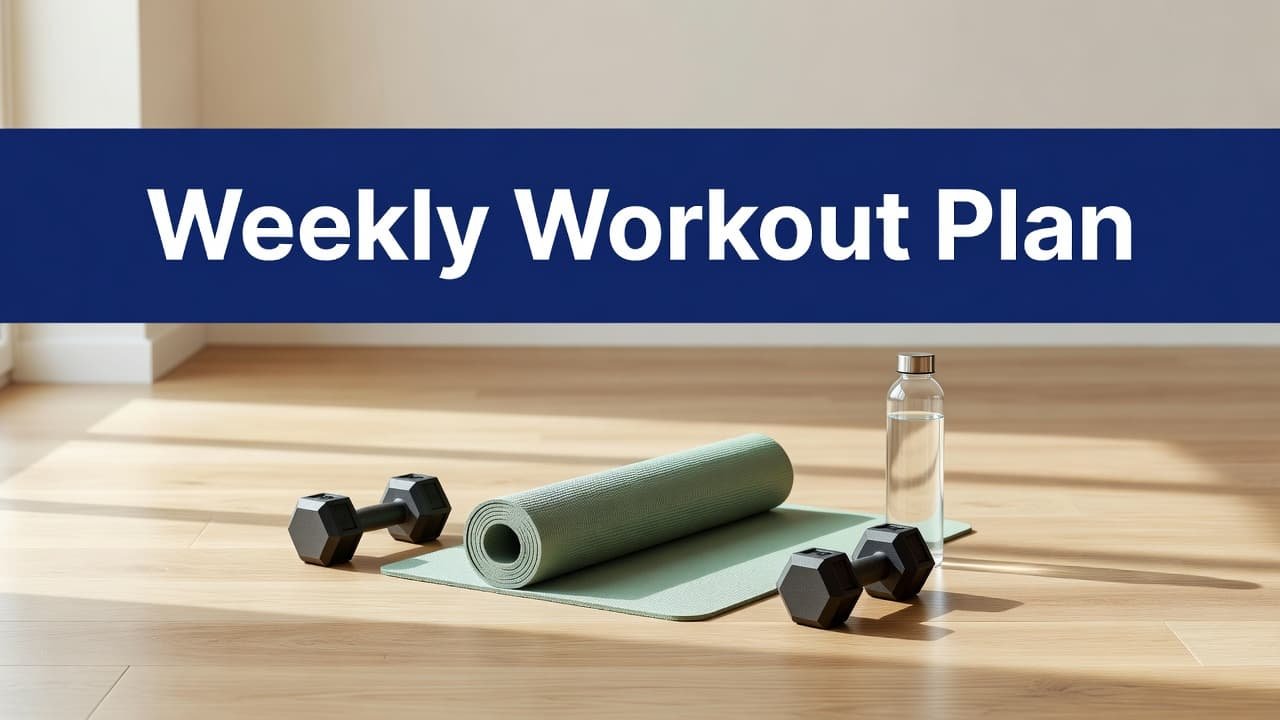
A flexible week could look like this:
- Monday: Walk for 15 to 25 minutes, using a pace that feels purposeful but manageable.
- Tuesday: Complete a 20-minute strength session.
- Wednesday: Rest, stretch gently, or take a short walk.
- Thursday: Walk again and add a few balance exercises if comfortable.
- Friday: Repeat the full-body strength session.
- Saturday: Choose an enjoyable activity or do active chores.
- Sunday: Rest and prepare for the week ahead.
During strength sessions, practice the main movement patterns: squat or sit-to-stand, push, pull, hinge, carry, and core bracing. A chair squat, wall pushup, resistance-band row, hip hinge, light farmer carry, and controlled dead bug can cover these patterns. Keep your breathing steady and stop if you feel sharp pain, dizziness, chest pain, or unusual shortness of breath.
Use the talk test to judge moderate intensity. You should be able to speak in short sentences, although singing may feel difficult. On easier days, keep your effort lower. As your fitness improves, add five minutes to a walk, a few repetitions, or a small amount of resistance, but change only one factor at a time.
Modify movements for joint pain, limited mobility, or low fitness. Try water walking, a recumbent bike, seated exercises, shorter walks, wall-supported movements, or a higher chair. When exploring different fitness programs, prioritize options that match your current capabilities. Break up long sitting periods with two or three minutes of standing or gentle movement. Rest days are part of the plan, not evidence that you’re falling behind. After an injury or when symptoms appear, get guidance from a qualified health professional before continuing.
Why Strength Training Matters During Weight Loss
When body weight decreases, strength training can help preserve muscle and improve strength and daily function. That matters when you want to carry groceries, climb stairs, get up from a chair, or maintain independence while losing weight.
You can train with bodyweight exercises, resistance bands, dumbbells, or gym machines. I would choose the option that feels stable, accessible, and easy to control. Start with manageable resistance and leave several good repetitions in reserve instead of forcing an extreme workout.
Good form comes before heavier weight. Move through a comfortable range, keep the motion controlled, and breathe rather than holding your breath. When an exercise feels easy for several sessions, gradually add a repetition, a set, a little resistance, or more control. Consistent moderate effort builds a stronger foundation than occasional workouts that leave you injured or unable to move normally.
Use Sleep, Stress, and Daily Routines to Improve Weight Loss Results
Healthy weight loss depends on more than food choices and workouts. Poor sleep and ongoing stress can increase hunger, cravings, irritability, and fatigue, while making planning and decision-making harder. Effective stress management combined with consistent rest helps prevent these issues. They don’t override energy balance, but they can make a calorie deficit and regular physical activity more difficult to maintain.
I focus on one or two routines at a time instead of trying to change everything in one week. A consistent bedtime, planned meals, and a short walk can create more progress than an ambitious schedule I abandon after a few days. Research on sleep and weight loss also suggests that sleep restriction can affect appetite and make weight-loss maintenance harder.
Daily Habits That Reduce Decision Fatigue
A regular meal pattern gives your day some structure. You might eat breakfast, lunch, dinner, and one planned snack at roughly consistent times, adjusting for your schedule and hunger. Preparing food in advance reduces the chance that exhaustion will decide what you eat.

I keep convenient nutritious foods visible and ready, such as fruit, yogurt, hard-boiled eggs, cut vegetables, beans, frozen produce, and whole-grain options. Meanwhile, I store less nutritious snack foods out of immediate reach rather than expecting motivation to work every time. Your environment should make the preferred choice easy when you are tired or rushed.
Keep a water bottle where you work, drive, or exercise. Hydration won’t cause weight loss by itself, but water can help lower your daily sugar intake by replacing sugary drinks and making it easier to notice whether you are thirsty. Alcohol can add calories, disrupt sleep, and lower food-related restraint, so plan how often and how much you will drink.
A simple habit stack connects a new action to one you already do:
- After dinner, prepare tomorrow’s breakfast.
- After your regular lunch, take a 10-minute walk.
- When you plug in your phone at night, begin your wind-down routine.
- After brushing your teeth, fill your water bottle for the next morning.
Set a consistent bedtime and wake time when possible. Good sleep hygiene involves dimming bright screens before bed, keeping the bedroom comfortable, and using the final 30 to 60 minutes for quiet activities. Work schedules, late shifts, caregiving, and screen habits can interfere, so choose the most realistic improvement rather than chasing a perfect routine.
How to Handle Emotional Eating and Setbacks Without Giving Up
Physical hunger usually builds gradually and can be satisfied by different foods. Stress, boredom, habit, loneliness, and emotional triggers often create a sudden urge for a particular comfort food. Neither experience makes you weak or requires shame.
Pause for a minute and name what is happening: “I am hungry,” “I am stressed after work,” or “I want a break.” Prioritizing proactive stress management through non-food options, such as slow breathing, journaling, calling someone, taking a brief walk, or speaking with a counselor, helps address these triggers. If food still feels like the right choice, eat slowly and without punishment.
After overeating, return to your next normal meal. Fasting, skipping meals, or exercising as punishment can increase hunger and keep the cycle going. I would record what happened with curiosity, then change one practical detail, such as eating a planned afternoon snack or keeping trigger foods in smaller portions.
If eating feels out of control, causes significant distress, or leads to restricting, bingeing, or compensatory exercise, seek help from a qualified clinician or registered dietitian. Support can address stress, sleep, mood, and eating patterns together.
Track Progress and Adjust the Plan With Useful 2026 Tools
Tracking helps me notice patterns that memory often misses, but more data does not always mean better decisions. I focus on a few useful measures, review them on a set schedule, and ignore numbers that create anxiety without improving my habits.
### How to Read Scale Changes and Recognize a Real Plateau
Body weight can move quickly even when body fat has not changed. Water shifts after a salty meal, glycogen changes when carbohydrate intake or exercise changes, and food still moving through digestion can all affect the scale. Hard workouts may cause temporary inflammation and water retention. Hormonal cycles can also produce predictable fluctuations, especially around menstruation.
I weigh myself under similar conditions, such as in the morning after using the bathroom and before eating. Then I record the number and look at a weekly average or multi-week trend. A single high reading is a data point, not a verdict on my plan.
A plateau means the trend has stopped moving meaningfully for several weeks. Three flat days, one unusual weekend, or a small increase after strength training does not prove that fat loss has stopped. During a four-week review, I ask:
- Have my portions, drinks, snacks, or restaurant meals gradually increased?
- Am I following my planned activity and strength sessions most weeks?
- Has sleep, stress, hunger, or a medication change affected my routine?
- Does my original goal still fit my health and current needs?
I check routine consistency before making a major change. Waist measurements taken monthly under similar conditions, clothing fit, strength progress, energy, mood, hunger, sleep, steps, meals, and protein or fiber habits add useful context. If the trend remains stalled, I make one small adjustment, such as reducing an unplanned snack, adding a short walk, or improving meal structure.
Choosing Weight Loss Apps, Wearables, and Online Programs
I choose a tool based on whether it makes healthy habits clearer and easier. Mobile apps can support weight management, and research on mobile-app dietary tracking links consistent self-monitoring with short-term progress. Still, tracking should never encourage dangerous restriction or constant body checking.
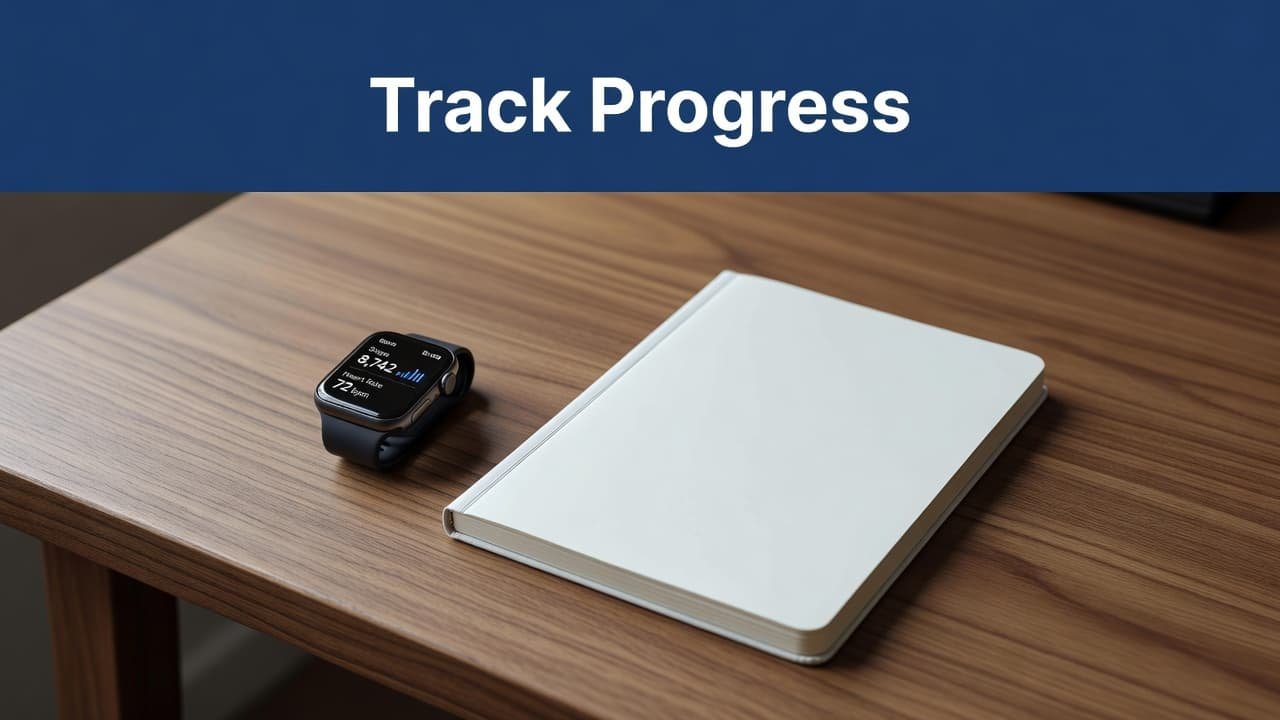
A notebook works well for weight trends, meals, hunger, mood, sleep, steps, and workouts. A spreadsheet adds charts and weekly averages. A food tracking app offers larger databases, while fitness wearables make steps, workouts, and sleep easier to review. Smart scales may show weight trends, but their body composition estimates can vary with hydration. Connected health platforms combine data, yet they also collect more personal information.
Before signing up, I check:
- Whether calorie, step, sleep, body composition, and calorie-burn estimates explain their limits
- Whether qualified dietitians, physicians, or exercise professionals review the guidance
- Privacy controls, data sharing, account deletion, and how medication information is stored
- The full cost, free-trial conditions, renewal price, and cancellation process
- Warning signs such as very low calorie targets, shame-based messages, guaranteed results, or pressure to buy supplements
Wearables and apps estimate rather than perfectly measure calories burned, body fat, or calorie needs. I use them to spot patterns, not to “earn” food or compensate for eating. If a tool increases fear, guilt, or obsessive monitoring, I stop using it. A practical system should support the steady habits described in this complete beginner’s guide to healthy weight loss in 2026.
Understand Weight Loss Medications, Popular Diets, and When to Get Help
Weight loss options in 2026 include eating patterns, commercial programs, prescription medications, and professional support. I judge each option by nutrition quality, safety, cost, flexibility, and whether I could continue it during ordinary weeks, holidays, travel, and social events.
The mediterranean diet emphasizes vegetables, fruit, beans, whole grains, fish, olive oil, and other minimally processed foods. A low carb diet reduces foods such as bread, rice, pasta, or sweets, while a ketogenic diet shifts the body toward fat burning by strictly limiting carbohydrates. Higher-protein plans give extra attention to foods such as eggs, yogurt, poultry, fish, tofu, and beans, and intermittent fasting limits eating to certain time windows. Commercial programs may provide meal plans, coaching, prepared foods, or tracking tools.
None is automatically the best choice for everyone. A plan can work if it provides enough nutrients, matches your preferences and budget, and helps you maintain a manageable calorie deficit without constant hunger. I’d be cautious about any program that treats one food group as dangerous, promises guaranteed rapid loss, or depends on products I must keep buying.
How to Judge a Diet Before Spending Time or Money
Before joining a program, ask whether it gives you enough food, protein, fiber, vitamins, and minerals. Can you afford the groceries or membership after the introductory price ends? Will the rules work at a restaurant, family gathering, work event, or birthday dinner?
A credible plan should explain its limits. Look for clear information about possible risks, who should avoid the plan, expected maintenance, and what happens after the initial weight-loss phase. Dramatic before-and-after testimonials can show selected experiences, but they don’t prove that a program is safe or effective for most people.
I’d also ask:
- Does the plan require powders, pills, detoxes, or expensive packaged meals?
- Does it ban many foods without a medical reason?
- Does it promise unusually fast results?
- Does it explain how to handle hunger, setbacks, and weight maintenance?
- Does a qualified professional provide the guidance?
If the answers are vague, keep your money and choose a simpler approach. A registered dietitian can adapt your chosen eating pattern to your health needs. Commercial programs may help with structure, but read renewal terms and cancellation policies before paying.
What to Know Before Discussing Weight Loss Medication
Prescription medications, including GLP-1 medicines and related treatments, may help some people when combined with nutrition, physical activity, and regular medical care. They are not a shortcut or a substitute for follow-up. The National Institute of Diabetes and Digestive and Kidney Diseases explains prescription weight-management medications, including their role alongside lifestyle changes.
A licensed clinician specializing in medical weight loss should review your health history, body size, related conditions, previous attempts, current medicines, allergies, risks, and personal goals. Ask about approved uses, common side effects, warning symptoms, monitoring, pregnancy or pregnancy plans, supply, insurance coverage, out-of-pocket cost, drug interactions, and what may happen if treatment stops. Weight regain can occur after stopping, so maintenance planning belongs in the first conversation.
Avoid buying unapproved injections, questionable compounded products, or social media supplements. The FDA’s warning about unapproved GLP-1 drugs describes risks linked to products sold outside appropriate medical channels.
A physician, obesity medicine specialist, registered dietitian, therapist, or support group may help when weight affects your health, eating feels out of control, emotional triggers interfere, or self-directed efforts repeatedly fail. Getting support is a practical next step, not a personal failure.
Avoid Common Weight Loss Mistakes and Keep Results Long Term
Healthy weight loss becomes easier to sustain when you build habits for ordinary weeks, stressful days, and social occasions. I focus less on perfect execution and more on creating a plan I can return to after interruptions.
A Practical 30-Day Healthy Weight Loss Starting Plan
I use four flexible phases rather than treating 30 days as a promise of a specific weight change. Your results will depend on your health, starting point, medications, and consistency as you begin your weight loss journey.
- Days 1 to 7: Observe and prepare. Record your usual meals, drinks, movement, sleep, hunger, and weigh-ins if tracking feels comfortable. Stock a few easy foods, schedule two short walks, and choose a realistic bedtime. This phase shows where small changes will help most.
- Days 8 to 14: Add balanced meals and movement. Choose two food habits, such as adding vegetables to lunch and including protein at breakfast. Reduce your sugar intake by replacing one sweet drink with water, then increase your physical activity by walking for 10 to 20 minutes on several days. Add gentle strength work, such as chair squats, wall pushups, and resistance-band rows, if you can perform them safely.
- Days 15 to 21: Improve sleep and stress routines. Keep your wake time fairly consistent, prepare tomorrow’s breakfast, and create a quiet wind-down period before bed. When stress triggers snacking, pause and try breathing, a short walk, or a phone call before deciding what you need.
- Days 22 to 30: Review and adjust. Look at your weight trend, waist measurement, energy, hunger, sleep, strength, and routine consistency. Keep what works and adjust one variable, such as portion size, walking time, or meal timing. A slower pace is sensible when life is busy or a health professional recommends it.
Repeat any phase as needed. A plan that fits your current circumstances will usually serve you better than a faster plan that creates exhaustion and rebound eating.
How to Maintain Progress After Reaching a Weight Goal
Maintenance is an active skill, not the end of the process. I keep practicing the same meal structure, movement, sleep, and tracking habits at a stable weight so they become part of normal life. The National Academies’ maintenance guidance also supports continued attention to eating patterns and activity after weight loss.
Choose a maintenance range instead of one exact number. Check your weight weekly, or use waist measurements, clothing fit, fitness, and energy if the scale creates stress. Continue strength training to support muscle and function, while keeping portions flexible enough for restaurants, holidays, and favorite foods.
The mistakes that often derail beginners are predictable:
- Setting an extreme goal or eating too little
- Skipping protein or fiber
- Relying on exercise alone
- Changing every habit at once
- Ignoring liquid calories
- Neglecting portion control during busy weeks
- Forgetting that weight management requires lifelong habits
- Weighing too often and reacting to daily fluctuations
- Copying an influencer’s plan without considering your health
- Treating one off-plan meal as total failure
If weight returns, review your routines without shame. Look at portions, drinks, sleep, movement, stress, medications, and social eating. Then make one manageable adjustment and seek support early from a clinician or registered dietitian if progress feels difficult to regain.
A small change in weight does not erase your work. Consistency, flexibility, strength, energy, and health markers matter more than perfection or one exact number.
Frequently Asked Questions
How much weight is safe to lose per week?
Gradual, steady progress is generally the safest and most sustainable approach for long-term health. Most health professionals recommend aiming for a modest change that fits your daily routine rather than forcing rapid results.
Do I need to count calories to lose weight?
No, counting calories is optional and not necessary for everyone. You can create a simple calorie deficit by focusing on portion control, choosing whole foods rich in protein and fiber, and eliminating sugary drinks.
Can I eat my favorite foods while trying to lose weight?
Yes, highly restrictive diets that ban entire food groups are usually difficult to maintain. Flexible eating allows you to enjoy occasional treats while paying attention to portion sizes and overall meal quality.
When should I consult a doctor about weight loss?
You should speak with a qualified health professional before starting if you have underlying medical conditions, take medications that affect weight, are pregnant, or have a history of disordered eating.
Conclusion
The Complete Beginner’s Guide to Healthy Weight Loss in 2026 comes down to a safe plan you can follow during ordinary weeks. I focus on nutritious meals with enough protein and fiber, regular movement, consistent sleep, stress care, and progress measures that provide useful information without creating anxiety. These habits support healthy weight loss while also improving my relationship with food and daily health.
You don’t need to change everything at once. Choose one or two actions to start this week, such as adding protein and vegetables to one meal, taking a short daily walk, or setting a regular bedtime. Apps, diet trends, and weight-loss medications can provide support for some people, but they are tools, not requirements. When aiming for a steady calorie deficit, patience is key. If you have a medical condition, take medication, or have a history of disordered eating, get advice from a qualified health professional before making major changes.
I measure success by more than a short-term number on the scale. Steady progress, flexible routines, and a healthier relationship with food are more valuable than a perfect result that you can’t maintain.




3 Comments on “Healthy Weight Loss in 2026: A Beginner’s Guide to Getting Started”