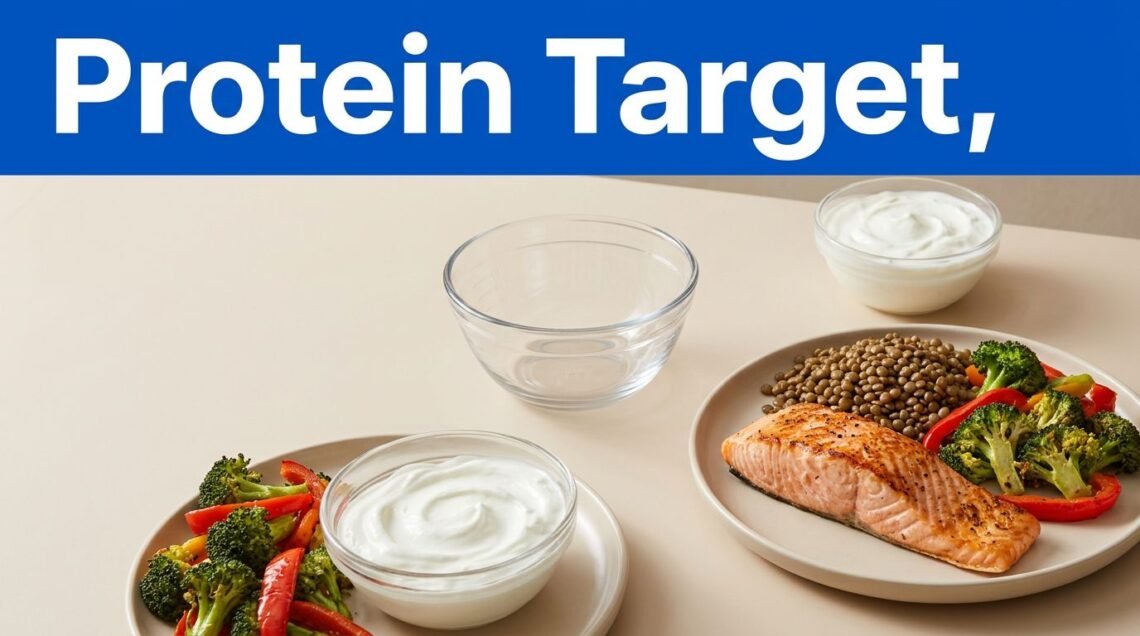
Protein won’t create fat loss on its own, but protein for weight loss can make a calorie deficit easier to live with. It helps many people stay fuller, keep meals satisfying, and preserve more tissue while the scale moves down.
A useful protein target is usually higher than the minimum needed to prevent deficiency. It should still fit your appetite, food preferences, budget, and medical needs.
Start with a daily target, then build ordinary meals around it.
This post may contain affiliate links. If you make a purchase through these links, I may earn a small commission at no extra cost to you.
Key Takeaways
- A practical protein target for many adults losing weight is 1.2 to 1.6 grams per kilogram of current body weight, adjusted for appetite, training, health, and preferences.
- Protein can make a calorie deficit more filling and help preserve lean muscle mass, especially when paired with resistance training.
- Build meals around protein-rich foods, then add vegetables, fruit, high-fiber carbohydrates, and satisfying fats. Spreading protein across meals can make hunger easier to manage.
- Protein powders are optional tools for convenience, not fat-burning products. People with kidney disease, diabetes, liver disease, or other medical concerns should ask a clinician before making a large increase.
Protein for weight loss: find your daily target
The standard protein RDA for adults is 0.8 grams per kilogram of body weight. It is a baseline for preventing deficiency, not a dieting target for caloric restriction, frequent training, or preserving lean muscle mass. Stanford Medicine’s protein overview puts that baseline at roughly 55 grams for a 150-pound adult.
For many adults in a calorie deficit, a daily protein intake of 1.2 to 1.6 grams per kilogram of current body weight is a practical starting range. Start within that range rather than treating it as a universal prescription. A review of weight-loss research found benefits in that range for appetite control and weight management. The research review on protein and weight loss also supports higher intake than the RDA for many people trying to manage body weight.
Use this simple calculation:
- Divide your body weight in pounds by 2.2 to get kilograms.
- Multiply that number by 1.2 for a starting target.
- Multiply it by 1.6 for the upper end of the usual range.
| Body weight | Weight in kilograms | Daily protein range |
|---|---|---|
| 140 pounds | 64 kg | 77 to 102 g |
| 175 pounds | 79 kg | 95 to 127 g |
| 210 pounds | 95 kg | 114 to 152 g |
Begin near the lower end if this is a big change from how you eat now. Move upward if hunger remains difficult, you lift weights regularly, or you are older and trying to protect your muscles. If you have a medical condition, ask a clinician before making a large increase.
Your calorie intake still determines whether you lose body fat. Protein helps make that calorie deficit more filling and less likely to cost you muscle.
Why protein makes a calorie deficit easier
Protein affects hunger differently than carbohydrate or fat, partly by influencing hunger hormones involved in appetite signaling. A protein-rich meal tends to keep you full longer, as hunger hormones such as GLP-1 and peptide YY may act as appetite-suppressing hormones, while ghrelin can signal hunger.
It also takes more energy to digest than carbohydrate or fat. That thermic effect is modest, so it won’t outweigh frequent overeating. Still, it is one useful part of the larger picture.
Most importantly, adequate protein provides essential amino acids for muscle repair. When calories fall, your body can lose both fat and lean muscle mass. Resistance training gives your muscles a reason to stay, while enough dietary protein provides the raw material.
A clinical review of high-protein diets links higher protein intake with improved fullness, better body composition during weight loss, and a higher diet-induced energy expenditure.
A whey protein shake cannot protect muscle when total food intake is too low or resistance training is absent for weeks.
Protein works best alongside a modest calorie deficit, regular movement, and resistance exercise two or more times each week.
Choose protein sources that bring more to the plate
Whole foods make it easier to get protein plus fiber, iron, calcium, omega-3 fats, or potassium. Build each meal around a protein anchor, then add vegetables, fruit, high-fiber carbohydrates, and fats that make the meal enjoyable.
Photo by Kaboompics.com
Skinless chicken breast, turkey, tuna, shrimp, lean beef, salmon, eggs, Greek yogurt, and cottage cheese are familiar animal-based proteins that deliver substantial protein in practical portions. Rotate these protein sources to keep meals varied and make it easier to meet your needs. For example, 3 ounces of cooked chicken breast provides about 25 to 27 grams, while two eggs provide about 12 grams.
Plant-based protein can work just as well for weight loss when total daily intake is sufficient. Lentils, beans, edamame, tofu, tempeh, soy milk, seitan, and pea protein are useful plant-based protein options. Compare the amino acid profile of plant options and blends when choosing among them. Soy protein is a complete protein, while meals built with beans, grains, nuts, and seeds can provide the essential amino acids your body needs across the day.
Watch the extras that quietly change the calorie total. Breaded chicken, creamy sauces, large cheese portions, and sugar-heavy yogurt can still fit, but their calories add up quickly. A grilled protein, roasted vegetables, and a measured serving of rice or potatoes often satisfies better than a tiny meal followed by evening grazing.
Fiber matters here, too. Protein may reduce hunger, but vegetables, fruit, beans, and whole grains add volume and support regular digestion.
Spread protein across meals, starting with breakfast
Many people eat little protein until dinner. That pattern can leave breakfast and lunch less satisfying, then make late-day snacking harder to manage.
Aim for about 25 to 35 grams at your main meals if your target is near 100 to 120 grams per day. You don’t need perfect math at every meal. A consistent pattern works better than trying to rescue your total with a huge dinner.
Here is one day of eating that provides roughly 110 grams of protein:
- Breakfast: 3/4 cup Greek yogurt, two eggs, berries, and oats, about 29 grams.
- Lunch: 3 1/2 ounces of chicken with lentils and a large salad, about 39 grams.
- Snack: 1/2 cup cottage cheese with an apple, about 12 grams.
- Dinner: 3 ounces of salmon, edamame, vegetables, and rice, about 30 grams.
A high-protein breakfast can be especially helpful if midmorning hunger or sweet cravings tend to derail your plan. Greek yogurt with fruit, eggs with beans, or tofu scramble with whole-grain toast are simple options. However, skipping breakfast can still work if you genuinely prefer it and can meet your protein needs later.
A few basic tools can make portions less mysterious, including an OXO Good Grips 11-Pound Food Scale for learning cooked serving sizes. Protein supplements are optional, but a BlenderBottle Classic V2 can make a quick shake less messy. Use whey protein or plant-based protein such as pea protein for a non-dairy option. Rubbermaid Brilliance containers help keep prepped lunches ready in the fridge; compare current Amazon listings, sizes, and prices before buying.
Whey protein, casein protein, and plant-based protein powders
Protein supplements are optional. They can support a high-protein diet when breakfast is rushed, travel interrupts your routine, or food intake falls short by 20 to 30 grams. For convenience, protein supplements can fill that gap without changing the rest of your meals.
Whey protein digests quickly and mixes easily. Casein digests more slowly, so some people find it filling as an evening snack. In a quick comparison, whey protein suits rushed mornings, while casein may suit a slower evening snack. Neither powder has a special fat-burning effect. Choose the whey protein you enjoy consistently, rather than chasing a supposed digestion advantage.
| Option | Practical fit | Main consideration |
|---|---|---|
| Whey protein | Quick shakes | Fast mixing and digestion |
| Casein | Evening snack | Slower digestion may feel filling |
| Soy protein | Plant option | Provides a broad range of amino acids |
| Pea protein | Shakes or blends | Works well with rice protein |
Soy protein is a strong plant-based choice because it provides all the amino acids your body needs. Pea protein can also work well, especially in blends that include rice protein. A pea protein and rice blend can offer a broader amino acid mix. Check the label before buying protein supplements. Look for protein per scoop, added sugar, saturated fat, calories, and whether whey protein is the main ingredient. For most people, 20 to 30 grams per serving is enough, whether the scoop contains whey protein or pea protein.
Optimum Nutrition Gold Standard 100% Whey, Orgain Organic Protein, and Naked Pea are common examples with different ingredients and flavors. Optimum Nutrition Gold Standard 100% Whey is a common whey protein example, while Naked Pea highlights pea protein. Pick based on tolerance and taste. Protein supplements work best when you enjoy using them consistently. A tub you dislike will sit unused in the cupboard.
When a higher-protein diet needs medical guidance
More protein is not always better. Extra calories from protein can still stop fat loss, and an overly narrow menu can crowd out fiber-rich foods, healthy fats, and carbohydrates that support training. Protein supplements, including whey protein, still count toward total intake, so discuss their use with a clinician before increasing your intake.
People with chronic kidney disease should not increase daily protein intake without medical advice. The same applies if you have diabetes, high blood pressure, liver disease, a history of kidney stones, or take medicines that affect kidney function. If you have diabetes, diet changes may also require monitoring blood sugar levels. A qualified clinician or registered dietitian can set a target that matches your health history.
GLP-1 medications such as semaglutide and tirzepatide can sharply reduce appetite. That can make it harder to meet protein needs and maintain adequate total food intake while losing weight. Smaller protein-forward meals, tolerated snacks, and resistance training can help, but your prescribing clinician should guide the plan if nausea, vomiting, or rapid weight loss make eating difficult.
Frequently Asked Questions
How much protein should I eat for weight loss?
A practical starting range for many adults is 1.2 to 1.6 grams of protein per kilogram of current body weight each day. Begin near the lower end and adjust based on hunger, training, progress, and medical guidance.
Does eating more protein make you lose body fat?
Protein does not create fat loss on its own; your overall calorie intake still determines whether you lose body fat. It can make a calorie deficit easier to maintain by supporting fullness and helping preserve lean muscle mass.
Do I need protein powder to lose weight?
No. Whole foods such as chicken, fish, eggs, Greek yogurt, beans, lentils, tofu, and tempeh can provide enough protein for many people. A whey, casein, soy, or pea protein supplement is simply a convenient option when meals do not provide enough.
Should I spread protein across the day?
Spreading protein across breakfast, lunch, dinner, and optional snacks can make meals more satisfying and reduce the need for a large protein-heavy dinner. If your daily target is about 100 to 120 grams, aiming for roughly 25 to 35 grams at main meals is a useful pattern.
Can everyone safely eat a high-protein diet?
More protein is not automatically better, and people with kidney disease or conditions such as diabetes, liver disease, or a history of kidney stones should seek medical advice first. A clinician or registered dietitian can set a target that fits your health history and medications.
A Protein Target You Can Maintain
A protein-focused approach supports fuller meals and helps protect lean muscle mass while you eat fewer calories. A reasonable daily target, rather than an extreme diet, gives you room to include foods you enjoy.
Start near 1.2 grams per kilogram, distribute protein through your day, and adjust based on hunger, training, and progress. The best target is one you can meet consistently, supporting weight-loss success and making sustainable weight loss more achievable without turning every meal into a calculation.
Healthy Weight Loss in 2026: A Beginner’s Guide to Getting Started