
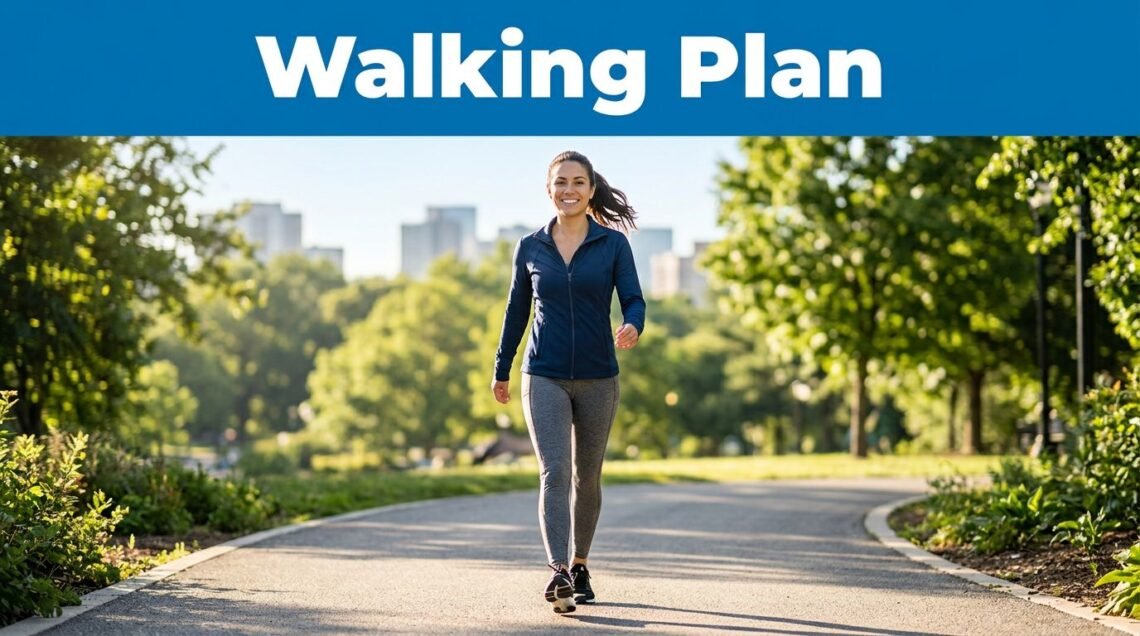
Walking feels ordinary, which is why many people underestimate its health benefits. It is a practical low impact activity and an approachable foundation for a fitness routine.
You don’t need to hit 10,000 steps tomorrow or follow a punishing diet. You need walks that fit your schedule, a pace you can repeat, and food habits that support a modest calorie deficit. If you have a medical condition, cardiovascular disease, joint pain, dizziness, or concerns about exercise, speak with a healthcare professional before you begin.
This post may contain affiliate links. If you make a purchase through these links, I may earn a small commission at no extra cost to you.
Key Takeaways
- Start with five manageable 15-minute walks per week, then increase walking time gradually over six weeks.
- Use the talk test to find a moderate, brisk pace: you should be able to speak in full sentences but not sing comfortably.
- Pair consistent walking with sustainable food habits and two short strength training sessions each week to support fat loss and lean muscle retention.
- Track walking minutes, daily steps, and how you feel instead of relying only on the scale, since water fluctuations can hide gradual changes.
- Repeat a week or choose an easier walk when fatigue, poor sleep, or a busy schedule makes progress harder. Consistency matters more than following a perfect schedule.
Set a weight loss walking plan you can repeat
A beginner walking program should feel almost too manageable at first. Starting small protects your confidence as much as it protects your feet, knees, and schedule.
Begin with five 15-minute walks per week. If five days feels unrealistic, walk three days and repeat the first week until it feels normal. Consistency matters more than racing through the schedule.
Choose supportive walking shoes that feel comfortable from the first step, not after a “break-in” period. A basic step tracker or fitness watch can help, but neither is required to begin. Comfortable socks, a refillable water bottle, and reflective gear for low-light walks are practical additions as your routine grows.

Start each walk with two to five easy minutes. Let your arms swing naturally, keep your shoulders relaxed, and look ahead instead of down at your feet. Finish at an easier pace for a few minutes, especially after hills or intervals.
The American College of Sports Medicine recommends at least 150 minutes of moderate aerobic activity each week for healthy adults in its physical activity guidelines. That is a useful benchmark for physical health, but you don’t need to begin there in week one.
A six-week “walking program”
This six-week schedule builds weekly time gradually. Each listed walk includes an easy warmup and cool-down, so the middle portion doesn’t need to be fast from day one.
| Week | Walks | Time per walk | Weekly total | Focus |
|---|---|---|---|---|
| 1 | 5 | 15 minutes | 75 minutes | Build the appointment into your day. |
| 2 | 5 | 20 minutes | 100 minutes | Find routes you enjoy and can repeat. |
| 3 | 5 | 25 minutes | 125 minutes | Add short brisk segments on two walks. |
| 4 | 5 | 30 minutes | 150 minutes | Reach the baseline moderate activity target. |
| 5 | 5 | 35 minutes | 175 minutes | Make three walks comfortably brisk. |
| 6 | 5 | 40 minutes | 200 minutes | Add one hill or interval session. |
After week six, stay at 200 minutes if it suits your life. You can later add five to 10 minutes to one or two walks, moving toward 250 to 300 minutes per week when weight loss is a goal.
Water fluctuations can hide gradual changes in fat mass, even when you follow the schedule consistently. Avoid expecting a specific amount of change from week to week.
A review of ACSM recommendations found that 150 to 250 weekly minutes of moderate activity may support progress, while higher amounts may help with long-term maintenance. Time adds up, so a 10-minute morning walk and 20-minute lunch break still count.
Repeat any week when your legs feel unusually heavy, your sleep suffers, or life gets busy. An easier walk or repeated week can provide active recovery, helping manage fatigue and maintain consistency. A schedule is a guide, not a test you can fail.
Find a brisk walking pace without obsessing over numbers
For many adults, brisk walking falls around 3 to 4 miles per hour. However, walking speed is personal. Your stride length, fitness level, terrain, and weather all change the effort required.
The talk test is a practical way to judge exercise intensity, and it’s more useful than watching a speed display. During moderate intensity activity, you can speak in full sentences but can’t sing comfortably. If you can easily sing, pick up the pace. If you struggle to say a short sentence, slow down until your breathing settles.
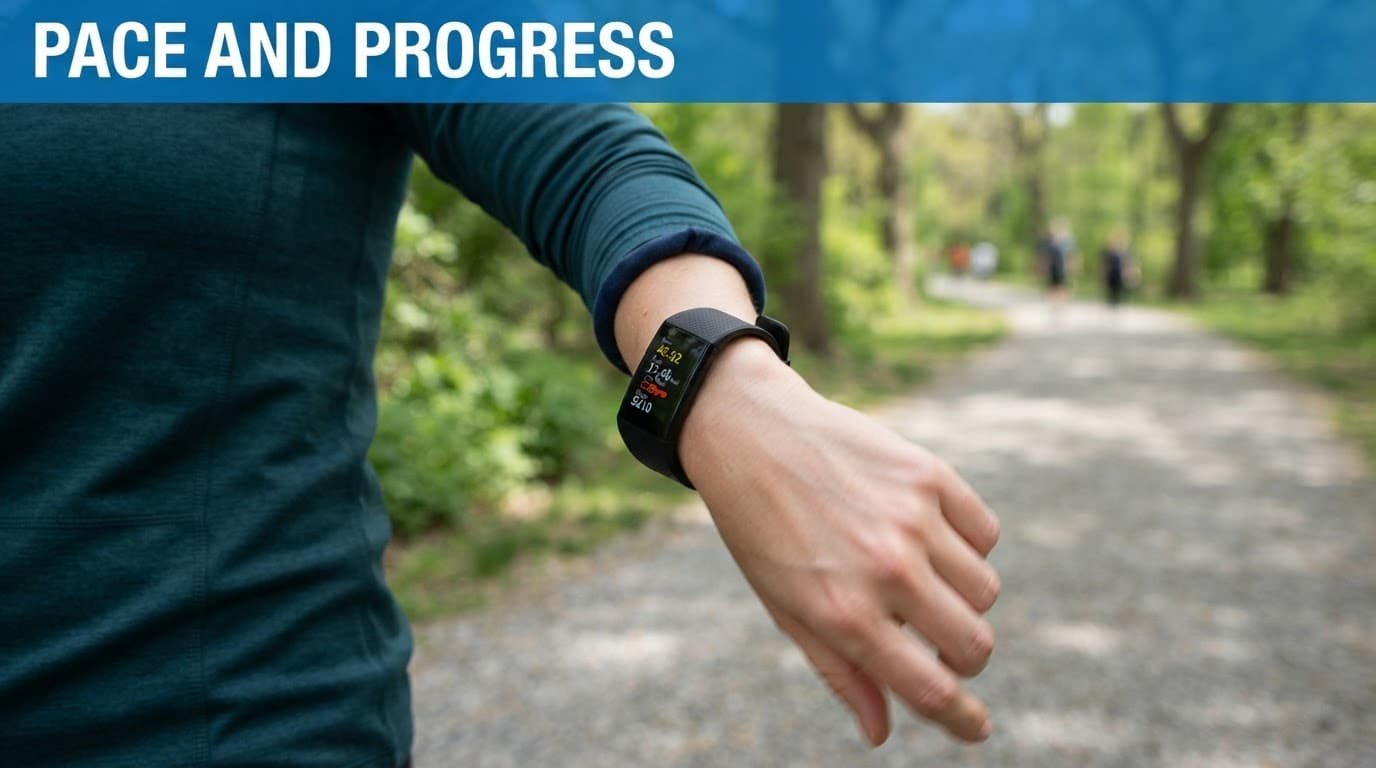
A fitness watch can offer a heart rate clue, though medication, stress, heat, and caffeine can affect its readings. Use the talk test and how your body feels as the main guide.
During week three or later, or whenever you feel ready, try this simple interval training session once each week:
- Walk easily for five minutes.
- Walk briskly for two minutes, then easily for two minutes.
- Repeat that brisk-easy pattern four times.
- Cool down with five relaxed minutes.
Hills and treadmill workouts can raise the effort without requiring you to move faster. Inclines use more energy because your body works against gravity. Add a gentle incline or one hill to a walk, then keep the rest of the route easy. Avoid adding faster intervals and steep hills in the same session at first.
Pair walking with food habits and strength training
Walking can help you lose weight without changing your diet if the extra activity creates a calorie deficit and you don’t eat more in response. For many people, though, sustainable food habits make the change easier to maintain.

Photo by Nataliya Vaitkevich
A healthy diet can include favorite foods. Start by looking for frequent extras that don’t leave you satisfied, such as sugary drinks, large restaurant portions, or snacks eaten while distracted. Those food choices can make a modest calorie deficit easier to maintain.
The ACSM’s overview of weight loss makes a useful point: exercise supports weight management, but nutrition still shapes the energy balance. Aim for changes you can keep on an ordinary Tuesday, not rules that leave you hungry and exhausted.
Preserving lean muscle mass also matters. Strength work can support muscle retention while changes in fat mass occur gradually. The scale measures body weight, not whether a change came from fat mass, muscle, or water. Add two short strength training sessions each week on nonconsecutive days, ideally after an easy walk or on separate days.
A session can include bodyweight sit-to-stands, wall pushups, glute bridges, and a supported row with a resistance band. A Cleveland Clinic Journal of Medicine review describes progressive resistance exercise two or three days weekly as part of an exercise prescription for weight reduction.
Use daily steps to make the habit stick
Everyday movement, including trips around your home, office, store, or neighborhood, contributes to daily physical activity. Scheduled walks matter, but incidental activity counts too.
Track your baseline daily steps for seven days before chasing a number. Then add about 500 steps each day, or take one extra five-minute walk, for one or two weeks. This approach makes progress visible without forcing you toward an arbitrary target.
A phone’s built-in health app, a simple pedometer, or a fitness watch can all work. Record more than steps when you can: note your walking minutes, whether you used a hill, and how the walk felt. Those details show progress when body weight moves slowly. Waist measurements, clothing fit, or walking capacity can also provide context for gradual changes in fat mass.
Consistency gets easier when you reduce friction. Short walks may support stress management and sleep quality, making the habit easier to repeat:
- Put your shoes and weather-ready layers where you can see them the night before.
- Attach a walk to a stable cue, such as finishing lunch or ending a workday.
- Keep an indoor backup route for heat, rain, poor air quality, or dark evenings.
- Save a favorite podcast or audiobook for walking time.
- Invite a friend occasionally, while keeping your own walk schedule independent.
Weighing once a week under similar conditions can reveal trends without letting daily water changes dictate your mood. If nothing changes after several consistent weeks, review portions, snacks, sleep, and walk time before making one small adjustment.
Frequently Asked Questions
How much should a beginner walk for weight loss?
Begin with five 15-minute walks per week, or three walks if that fits your schedule better. Gradually build toward 150 to 200 minutes of walking each week as your routine becomes comfortable.
How fast should I walk to lose weight?
Walk at a pace that allows you to speak in full sentences but makes singing uncomfortable. This talk test is more useful than chasing a specific speed because terrain, fitness level, stride length, and weather affect walking effort.
Can walking alone help me lose weight?
Walking can support weight loss when it contributes to a calorie deficit and you do not compensate by eating more. Sustainable food habits often make that deficit easier to maintain, while strength training can help preserve lean muscle mass.
Do I need to reach 10,000 steps a day?
No, 10,000 steps is not required to begin or benefit from walking. Track your normal steps for a week, then add about 500 steps per day or one extra five-minute walk for a gradual increase.
What should I do if my weight does not change?
Give the plan several consistent weeks, since daily water changes can hide gradual changes in fat mass. Then review portions, snacks, sleep, and walking time before making one small adjustment.
Build progress one walk at a time
The first 15-minute walk may feel modest, yet it starts a routine your body can trust. Gradual increases in time and pace make a weight loss walking plan more sustainable, while consistency supports gradual changes in fat mass.
Keep the focus on repeatable walks, nourishing food, and strength work that protects lean muscle mass. This supports sustainable weight management, and the most useful plan is one you can follow when life gets busy.
Healthy Weight Loss in 2026: A Beginner’s Guide to Getting StartedHealthy Weight Loss in 2026: A Beginner’s Guide to Getting Started