
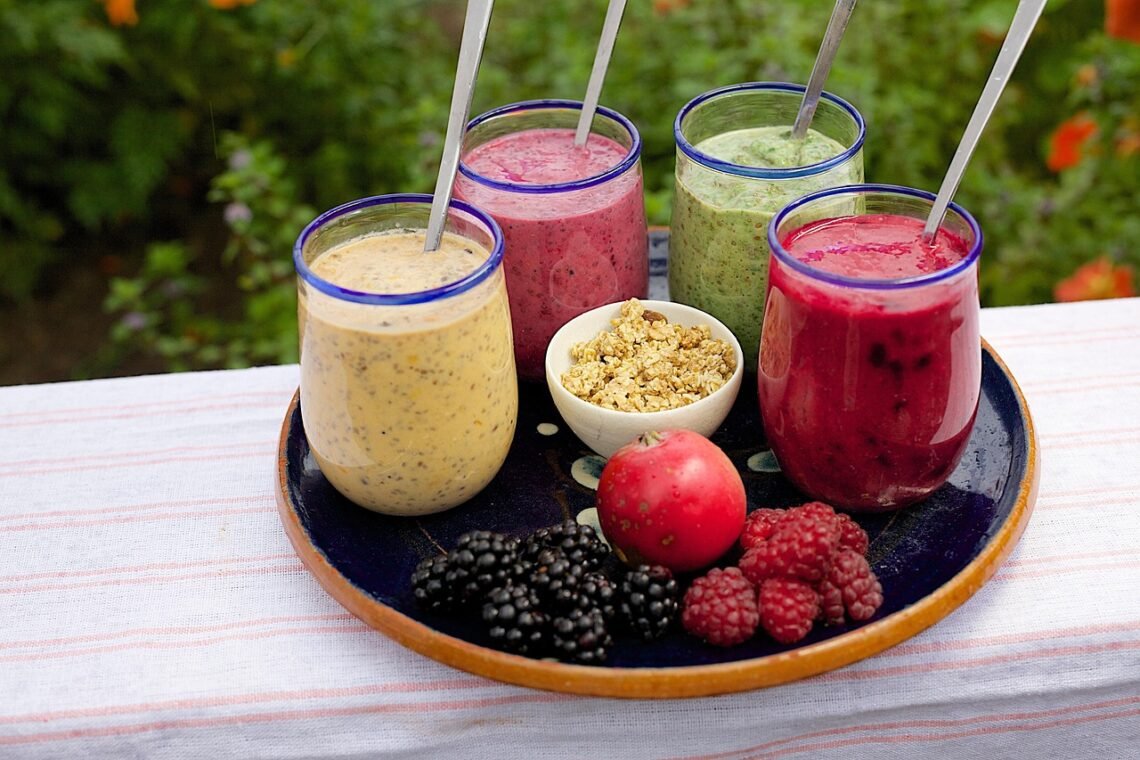
A smoothie labeled “superfood” sounds healthier, but the name alone reveals little about its nutrition. For a useful comparison, check total calories, sugar, total carbohydrates, protein, total fat, and serving size. Both options often come in 24-ounce portions.
Using approximate 2026 menu values from tropical smoothie cafe, Superfood Smoothies are often lighter, but some still contain substantial sugar. Detox island green is one example of a lighter option, while Classic Smoothies can provide more protein in certain recipes. The calorie count alone doesn’t determine whether a smoothie fits your goals. Next, we’ll compare the nutrition data side by side.
This post may contain affiliate links. If you make a purchase through these links, I may earn a small commission at no extra cost to you.
Key Takeaways
- Superfood smoothies aren’t automatically healthier: detox island green is about 180 calories, while Avocolada and Pomegranate Plunge can reach roughly 500.
- Classic smoothies vary too, with Blueberry Bliss near 340 calories and Kiwi Quencher above 450.
- Sugar can exceed 75 grams in some 24-ounce smoothies.
- Compare total calories, sugar, protein, total carbohydrates, and total fat across recipes.
- Check Tropical Smoothie Cafe’s official nutrition guide, since values can change.
How to Read Tropical Smoothie Nutrition Facts in 2026
Tropical smoothie nutrition facts are most useful when you review the full nutritional breakdown, not just the calorie number. This article uses the 24-ounce serving for most comparisons, so verify the serving size first.
Start With Serving Size and Calories
Serving size gives you the reference point for comparing drinks. The total calories and calorie count may look lower simply because the portion is smaller. On the official Tropical Smoothie Cafe nutrition guide, confirm whether the figures cover the full drink, a smaller size, or a customized recipe.
Calories show how much energy a smoothie provides, but they don’t show how filling it will be. A lower total calories value may not satisfy you as well as a drink with more protein and fiber.
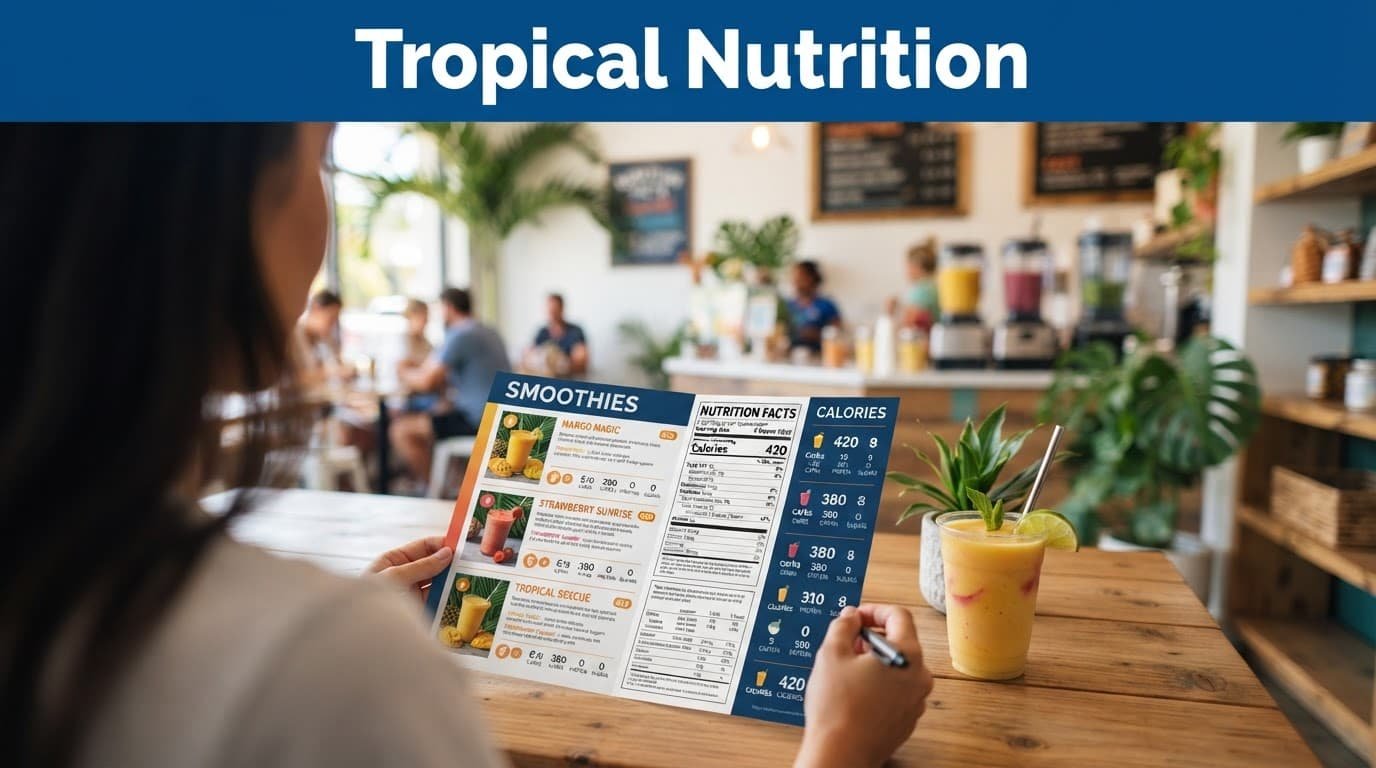
### Check Sugar, Total Carbohydrates, and Fiber Together
Total carbohydrates include sugar, starch, and other carbohydrate sources. Total sugar requires closer attention because fruit naturally contains sugar. Turbinado, syrups, and sweetened bases contribute added sugars.
A smoothie can contain fruit and leafy greens while still providing substantial carbohydrates or calories. That doesn’t automatically make it a poor choice. It gives you context for the rest of your meal.
Fiber helps slow digestion and supports fullness, so review it alongside sugar and carbohydrates. A lighter green recipe may appear more appealing, but the best choice depends on your complete meal and personal goals.
Review Protein, Total Fat, and Sodium
Protein matters when you want a smoothie to replace part of a meal or support recovery after exercise. Added whey, yogurt, or other ingredients can change the protein total, along with calories and total fat.
Total fat also affects the drink’s energy content. It may come from avocado, nut butter, coconut, or a customized add-in.
Sodium is easy to overlook, especially when you pair a smoothie with breakfast wraps, breakfast flatbreads, or a hummus veggie wrap. Consider the nutrition of the complete order, not just the drink.
Third-party nutrition listings can differ because recipes, portions, add-ins, and menu updates change. Use them only as rough references. Then check the current tropical smoothie cafe guide for recipe changes, customizations, and allergen information before ordering.
A Nutrition Comparison of Tropical Smoothie Cafe’s Classic Smoothies and Superfood Smoothies
The menu name doesn’t predict a drink’s complete nutritional profile. On the tropical smoothie cafe menu, superfood recipes may be lighter, but fruit, juice, avocado, and sweeteners still matter. Classic recipes can vary just as much, especially with peanut butter, yogurt, or added protein.
### Which Superfood Smoothies Are Lowest in Calories and Sugar?
The available 2026 listings appear to show two separate entries, with some naming and nutrition differences. To keep the comparison consistent, the figures below use approximate 24-ounce servings. The lighter example, detox island green, lists about 180 calories, 43 grams of carbohydrates, 29 grams of sugar, 4 grams of protein, and no fat.
The separate island green smoothie listing reports much higher values, at approximately 410 to 420 calories and up to 88 grams of sugar. Acai Berry Boost provides about 470 calories and 102 grams of sugar, while Avocolada reaches roughly 600 calories and 100 grams of sugar.
| Smoothie | Approximate total calories | Approximate total carbohydrates | Approximate sugar |
|---|---|---|---|
| Detox Island Green | 180 | 43 g | 29 g |
| Island Green | 410 to 420 | Not consistently listed | Up to 88 g |
| Acai Berry Boost | 470 | Not consistently listed | 102 g |
| Avocolada | 600 | Not consistently listed | 100 g |
Only reported values are included, and total fat is unavailable for most entries in this comparison. Fruit contributes natural sugar and total carbohydrates, while juice bases and sweeteners may raise the amount further. Avocado adds fat and calories, even though it contributes a creamy texture and nutrients. In other words, “superfood” describes selected ingredients, not a low-sugar guarantee.
Because recipes and nutrition listings can change, confirm the current figures in Tropical Smoothie Cafe’s official nutrition guide before ordering.
Which Classic Smoothies Offer More Protein, and What Is the Tradeoff?
Classic Smoothies with peanut butter, yogurt, or protein-focused ingredients usually provide more protein than lighter fruit-and-vegetable recipes. Greek yogurt can also add creaminess and protein. Chia Banana Boost with Peanut Butter contains roughly 780 calories and 14 to 16 grams of protein. Chia Banana Boost with Strawberry has about 610 calories and 8 grams of protein.
Peanut Paradise is another Classic Smoothie option, but its current figures should be checked in the nutrition guide before ordering. Cherry Berry Protein Smoothie offers the strongest protein count in this comparison, with up to 33 grams when prepared with the listed sweetener. The lighter option has only about 4 grams of protein, but it also contains far fewer calories.
More protein can improve fullness, yet protein alone doesn’t make a smoothie a balanced meal. Peanut butter can increase total fat and total calories, while banana, berries, chia, and sweeteners add total carbohydrates and sugar. The calorie count shouldn’t be the sole basis for choosing a recipe. Choose a protein-focused option when it fits your meal or recovery needs, then review the entire label rather than judging the drink by protein alone.
Classic Smoothies Versus Superfood Smoothies: What Should You Order?
The Classic or Superfood label gives you a starting point, not a final answer. Your choice can change significantly after adding sweeteners, protein, nut butter, yogurt, or seeds.
How Customizations Change the Nutrition Facts
Customizations can shift the nutrition profile as much as the smoothie recipe itself. Turbinado sugar adds sweetness and carbohydrates, while peanut butter usually raises calories and total fat along with protein. For example, check the nutrition facts for Peanut Paradise before adding more nut butter or protein. Protein powder can increase protein substantially, but it may also add calories, sodium, or carbohydrates.
Yogurt can make a smoothie creamier and add protein, although greek yogurt is not dairy-free. Chia seeds and other seeds offer plant-based protein, fat, fiber, and calories. Oats, fruit, juice, and sweeteners can increase total carbohydrates. Fresh greens or ginger generally change the nutrition totals less than calorie-dense ingredients.
The tropical smoothie cafe lists fresh and supplement add-ins separately in its official nutrition guide. However, nutrition figures can change when a recipe is modified, so don’t assume removing one ingredient creates a simple one-for-one adjustment. Substitutions can also change the total calories in ways that aren’t obvious from the menu.
Ask whether your smoothie can be made with less or no added sweetener. Also verify whether the substitution changes the base, fruit, juice, or other ingredients. Removing the sweetener may lower added sugars, but it won’t remove the natural sugar already present in fruit or juice. The total sugar can still be high in a large smoothie.
Removing the sweetener lowers one source of sugar, but it doesn’t turn a fruit-based smoothie into a sugar-free drink.
Use this checklist before placing your order:
- Choose the size first, since a 24-ounce smoothie can be much larger than a typical snack.
- Review the base ingredients, including fruit, juice, yogurt, milk, and avocado.
- Ask whether the recipe includes the sweetener, and request less or none when appropriate.
- Add protein only when it supports your goal, such as a higher-protein breakfast or post-workout drink.
- Check the completed order’s nutrition information, including total calories, total fat, protein, carbohydrates, and sugar.
A lighter smoothie may suit a snack, while a protein-enhanced Classic option may fit better after training. Evaluate it alongside the rest of your order, including breakfast wraps or a hummus veggie wrap. If the drink is unusually large, save part for later instead of assuming the full serving fits your needs.
The Biggest Pros and Cons of Each Smoothie Line
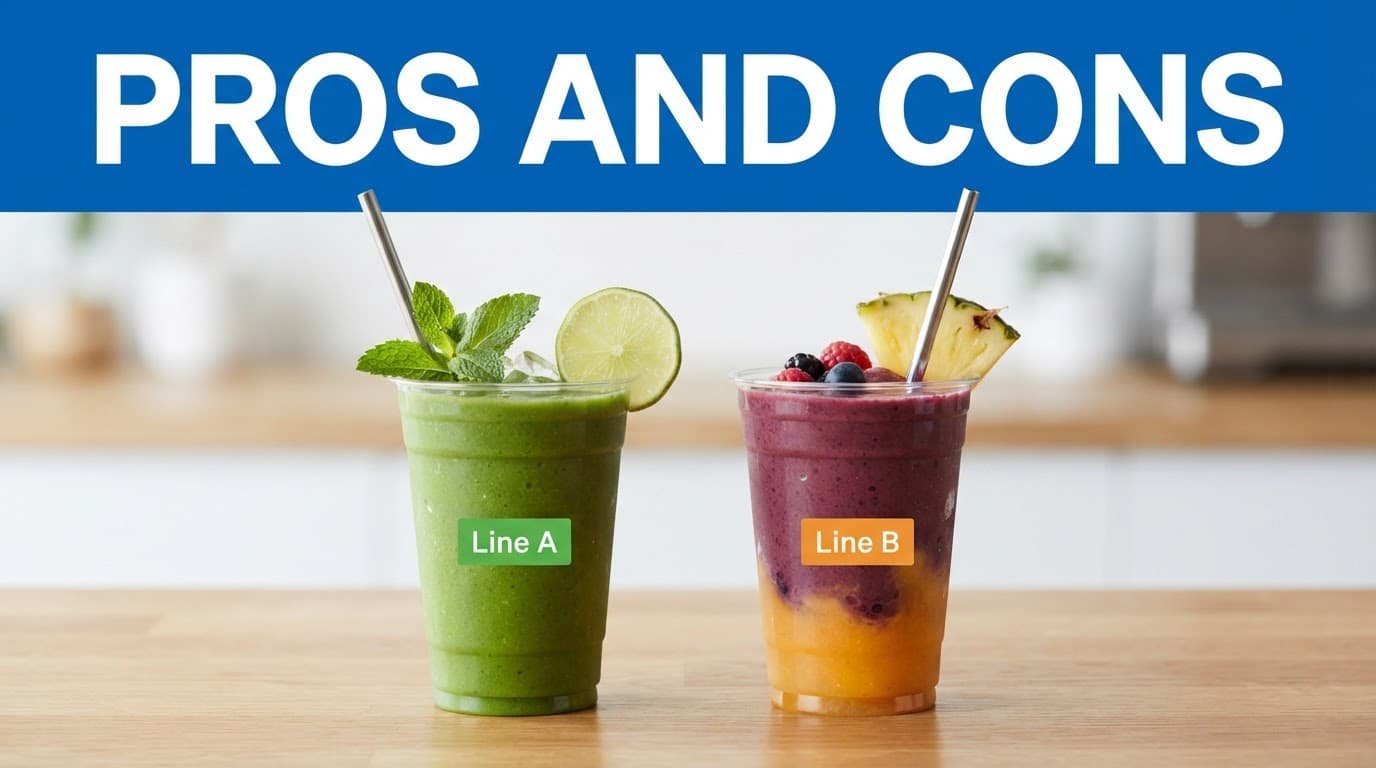
Classic and Superfood Smoothies can both fit a balanced routine, but they serve different needs. Superfood recipes often emphasize fruits and vegetables, while Classic Smoothies offer richer add-ins and more variety. The best choice depends on the full nutrition label, your hunger level, and the rest of your order.
Superfood Smoothies: Lighter Options With a Sugar Tradeoff
Superfood Smoothies appeal to health-conscious customers because they may include leafy greens, acai, pomegranate, ginger, or green tea. Detox Island Green is a clear example of a lighter option, with about 180 calories and 29 grams of sugar in a 24-ounce serving. Fruit and vegetable ingredients may also provide fiber and other helpful nutrients.
However, the Superfood name doesn’t guarantee low sugar or high protein. Some fruit-based recipes contain substantially more sugar and calories, while avocado and coconut can add fat. Many options also provide only a few grams of protein, so they may not keep you full without a more substantial meal.
### Classic Smoothies: More Variety and Greater Satiety
Classic Smoothies offer familiar fruit combinations and satisfying add-ins, including peanut butter, chia seeds, oats, greek yogurt, and protein powder. These ingredients can improve texture and increase protein, making a smoothie more suitable for breakfast or post-workout recovery. Peanut Paradise, for example, provides a richer peanut-based option than a basic fruit smoothie.
The drawback is the wider range of total calories across this menu line. Rich recipes can deliver substantial carbohydrates, sugar, and total fat from ingredients such as peanut butter, while sweetened fruit recipes may carry a heavier total carbohydrates burden. Even lighter Classic options can contain considerable sugar per serving.
Use the current Tropical Smoothie nutrition guide to verify information from tropical smoothie cafe before ordering, especially when changing ingredients. Compare acai bowl nutrition with the smoothie before assuming either menu category is lighter. A Superfood Smoothie may suit a snack, while a Classic option with protein may better match a meal. Consider the entire order, including a hummus veggie wrap, rather than judging nutrition by the smoothie category alone.
Frequently Asked Questions
Nutrition values can change with serving size, recipe updates, and add-ins. These answers cover common questions about comparing Classic and Superfood Smoothies at tropical smoothie cafe.
### Are Superfood Smoothies healthier than Classic Smoothies?
The answer depends on the drink and your goal. Detox Island Green provides about 180 calories and 29 grams of sugar in a 24-ounce serving. Avocolada can reach roughly 600 calories and 100 grams of sugar.
Avocado, coconut, fruit, and juice can increase total calories. They may also raise total fat, especially with ingredients such as peanut butter or extra seeds. If you want fewer calories, the lighter green smoothie may fit better. For more protein or fullness, consider a Classic smoothie with protein add-ins.
What are the lowest calorie options at the cafe?
The available data lists detox island green as the lowest-calorie smoothie, with about 180 total calories for 24 ounces. It also provides approximately 4 grams of protein and no fat in one listed version.
Confirm the current recipe before ordering. Sweeteners, substitutions, protein powder, and other customizations can change the final total calories.
Which smoothies have the highest protein options?
Cherry Berry Protein Smoothie can provide up to about 33 grams of protein, depending on the recipe and add-ins. It offers considerably more protein than many fruit-based choices.
Protein powder and other additions can increase calories, sugar, fat, or sodium. Compare the full profile, and check options such as peanut paradise if you want a different recipe to consider.
Are smoothies high in sugar?
Yes, many menu choices are high in sugar, particularly large fruit smoothies made with juice or sweeteners. Detox Island Green lists about 29 grams, while Bahama Mama and Avocolada can contain much more.
Fruit contributes natural sugar, and added sugars also affect the total. Check total carbohydrates, not just the sugar line, when comparing drinks. Review the current official nutrition guide from tropical smoothie cafe instead of assuming every smoothie has a similar profile.
Can I make a smoothie healthier?
Ask for less or no added sweetener when the recipe allows it. Choose a smaller serving when available, and limit calorie-dense additions such as peanut butter, coconut, or extra seeds.
When fullness matters, choose a recipe with more protein or fiber. Customization can better match your needs, but it won’t automatically make a large fruit drink low in sugar.
Does the cafe offer dairy-free or vegetarian choices?
The cafe has dairy-free choices, but verify ingredients and preparation practices before ordering. A smoothie made with greek yogurt isn’t dairy-free, even if it contains fruit or plant-based ingredients.
There are also vegetarian menu items, including the hummus veggie wrap. Recipes and preparation methods can vary, so check current store-level details if you follow specific dietary restrictions.
How should I check allergy and gluten information?
Review the current allergen information and speak with store staff about ingredients before ordering. Customers with food sensitivities should also ask about the cross-contamination risk, since shared equipment or preparation areas may affect suitability.
Some menu items may be described as gluten-friendly options, but that doesn’t necessarily mean they are certified gluten-free. Store-level guidance is the safest source for your specific needs.
Are the 2026 nutrition numbers always exact?
Official company information is the best reference, but values can change with recipe updates, serving size, store preparation, and customizations. Third-party lists may show older numbers, so use them only as general guidance.
The listed calorie count may not match a customized drink. If you have diabetes, an allergy, or another medical need, review current ingredients and ask cafe staff for details before ordering.
Conclusion
The answer is clear: a “superfood” label doesn’t guarantee a healthier smoothie. Tropical smoothie nutrition facts show that the lighter green option may be a better choice, while richer blends can still contain substantial sugar and calories. Classic recipes may offer more protein from peanut butter or protein powder, but those additions can raise calories and fat.
Compare the complete label, including serving size, total calories, total fat, sugar, protein, and customizations. Choose the drink that fits your meal, activity, and personal goal, then verify the latest information from tropical smoothie cafe before ordering.Healthy Nutrition Made Practical: A Flexible Guide to Balanced Eating