Avocado is a fruit with an unusual nutrition profile, as it is low in sugar yet rich in healthy fats, dietary fiber, and several essential nutrients. Reviewing the complete avocado nutrition facts shows why these components make meals satisfying, though tracking your intake is still key.
A small avocado and a large avocado can differ greatly in calories. Variety, ripeness, and how much flesh you eat also change the numbers, so being mindful of your serving size and portion size makes it easier to enjoy this fruit in a way that fits your meals.
Key Takeaways
- Avocado offers a unique nutrition profile, combining low sugar with high amounts of dietary fiber, healthy fats, and essential micronutrients like potassium and folate.
- Most calories in an avocado come from monounsaturated fat, which helps support heart health and can replace less healthy saturated fats in your daily meals.
- The combination of fiber and healthy fats slows digestion and supports gut health, making avocado a satisfying addition that can help you feel full longer.
- While nutritious, avocados are calorie-dense, so being mindful of your portion size, such as a quarter or a half avocado, is key to fitting them into your goals.
Nutrition Facts for Avocado at a Glance
For most people, a standard serving size of one-half of a medium avocado is a practical choice. It provides roughly 68 grams of edible fruit, although a larger hass avocado can offer much more. The nutrient values below are estimates based on standard raw avocado data, helping you gauge your serving size with ease.
| Nutrient | 1/2 medium avocado, about 68 g | Per 100 g |
|---|---|---|
| Calories | 109 | 160 |
| Total fat | 10 g | 14.7 g |
| Saturated fat | 1.5 g | 2.1 g |
| Carbohydrates | 5.8 g | 8.5 g |
| Fiber | 4.6 g | 6.7 g |
| Total sugars | 0.5 g | 0.7 g |
| Protein | 1.4 g | 2 g |
| Sodium | 5 mg | 7 mg |
| Potassium | 330 mg | 485 mg |
| Folate | 55 mcg | 81 mcg |
| Vitamin C | 6.8 mg | 10 mg |
| Vitamin E | 1.4 mg | 2.1 mg |
| Vitamin K | 14 mcg | 21 mcg |
When determining an appropriate portion size, keep in mind that most avocado nutrition facts show that calories come from fat, which is why the fruit has a richer texture than apples, berries, or oranges. However, its carbohydrate content is modest, and much of it comes from fiber rather than sugar. Harvard Health’s avocado nutrition overview also highlights its mix of unsaturated fat, fiber, vitamins, and minerals.
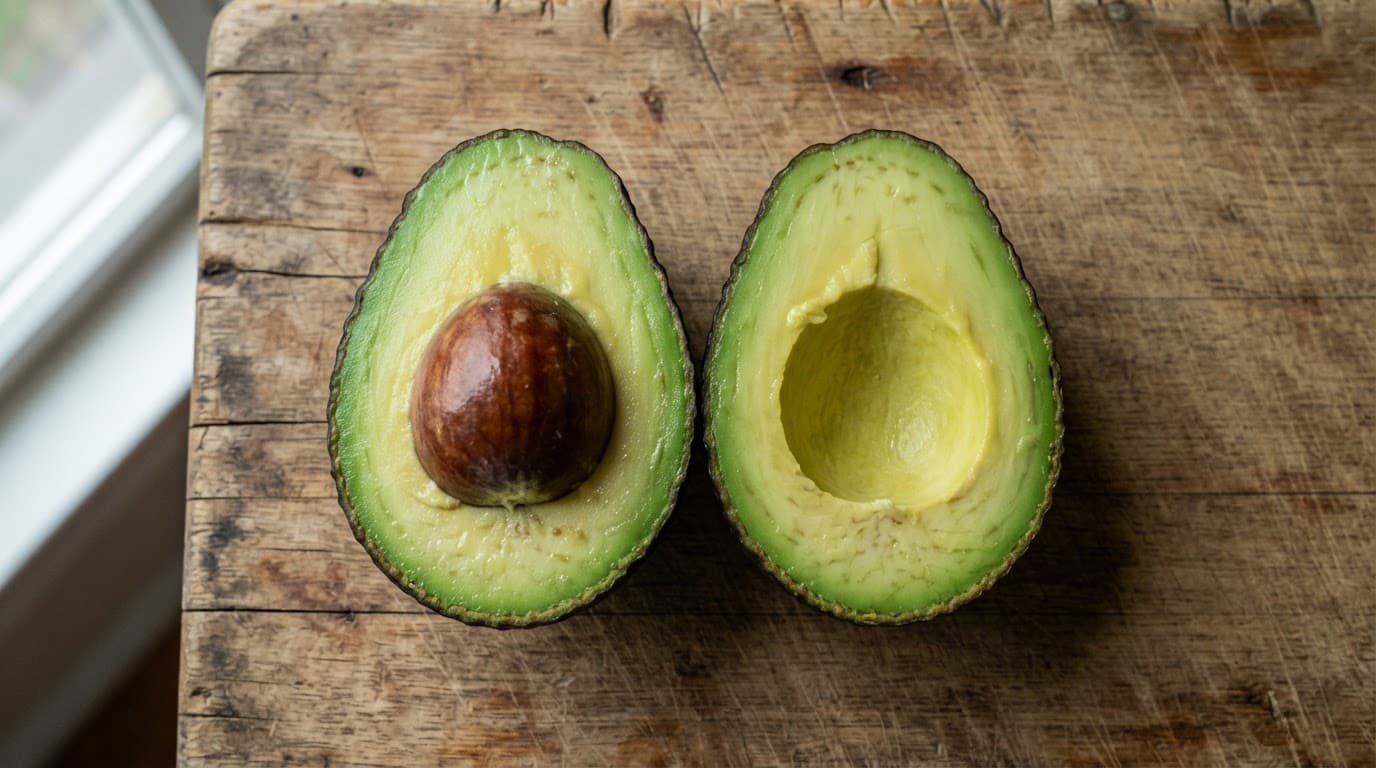
Nutrition labels often use 100 grams, while recipes may call for one avocado, such as a whole hass avocado. A kitchen scale gives the clearest answer when you want to track a serving size accurately.
Calories and Macronutrients in a Half Avocado
One-quarter of a medium avocado has about 55 calories. One-half has about 109 calories, while a whole medium avocado has roughly 220 calories. Larger fruit can exceed those estimates by a wide margin.
Avocado is a low-sugar fruit packed with dietary fiber, but it contains more fat than most other fruits. About 10 grams of fat in a half avocado sounds substantial, yet only around 1.5 grams are saturated fat because it is rich in healthy fats. A large share of these healthy fats consists of monounsaturated fat, the same broad category found in olive oil.
That combination of monounsaturated fat and dietary fiber gives avocado a creamy feel without added butter, cream cheese, or mayonnaise. Still, calorie totals rise quickly if avocado joins a meal already heavy in oils, cheese, nuts, or fried foods, making it wise to choose healthy fats mindfully.
Key Vitamins, Minerals, and Plant Compounds
The reliable potassium content supports normal nerve and muscle function, while folate helps the body make red blood cells and genetic material. Folate is particularly beneficial, and avocado also supplies vitamin C, vitamin E, and vitamin K, which contribute to immune function, antioxidant protection, and normal blood clotting.
You will also get smaller amounts of magnesium, vitamin B6, and niacin to round out your daily intake. The fruit contains naturally occurring antioxidants and carotenoids, including lutein and zeaxanthin, which protect cells from damage. These plant pigments, along with the supportive potassium content and essential magnesium, are part of avocado’s yellow-green flesh, delivering both carotenoids and antioxidants alongside lutein and zeaxanthin to fit well within a varied diet.
How Avocado’s Healthy Fats and Fiber Support a Balanced Diet
Avocado adds texture and staying power to meals because it brings both healthy fats and dietary fiber. That pairing can make a vegetable-heavy salad or grain bowl feel more complete. It also offers a simple swap for processed spreads that are higher in saturated fat.
Dietary fiber supports regular digestion and promotes overall gut health, while healthy fats help the body absorb fat-soluble vitamins from foods eaten alongside it. For example, avocado with spinach, peppers, or tomatoes can make a colorful meal feel more filling and satisfying.
A single food does not determine health. Your usual pattern matters more, including vegetables, fruits, whole grains, beans, proteins, and fats. A healthy nutrition guide can help put avocado alongside other foods that make everyday meals balanced.
Why the Fiber and Fat Combination May Help You Feel Full
A half avocado provides almost 5 grams of fiber. Fiber adds bulk to meals and moves through digestion differently than refined carbohydrates. Meanwhile, monounsaturated fat slows the emptying of the stomach compared with a meal made only of low-fat foods.
For that reason, avocado can work well at breakfast, lunch, or snacks that need more substance. Add it to eggs and whole-grain toast, or pair it with black beans and roasted vegetables.
A modest avocado portion can make a meal more satisfying, but it still adds calories. The rest of the plate matters.
People trying to manage weight or pursue weight loss do not need to avoid avocado. Instead, use a moderate portion size that fits your hunger, energy needs, and the other calorie-dense foods on the plate to support weight loss. Paying attention to your portion size ensures you enjoy the benefits without overdoing the calories.
What Avocado Adds to Heart-Healthy Eating Patterns
Avocado contains no cholesterol because it is a plant food, making it helpful for managing blood cholesterol levels. It can replace higher-saturated-fat choices, such as butter on toast or creamy sandwich spreads, by using monounsaturated fat to support heart health without losing richness.
Incorporating a hass avocado into regular meals can positively influence heart health and help manage risk factors for cardiovascular disease and type 2 diabetes. Replacing saturated fats with options like avocado oil or other unsaturated choices is a proven way to improve blood cholesterol and support long-term cardiovascular wellness.
Research on avocado is still part of a larger nutrition picture. A review of Hass avocado clinical trials describes studies examining avocado within dietary patterns, rather than presenting it as a stand-alone cure for health concerns.
Use avocado as one piece of a balanced eating pattern. Pairing it with vegetables, legumes, fish, poultry, or whole grains usually adds more nutritional value than treating it as a separate health food.
Avocado Serving Sizes, Calories, and Common Ways to Eat It
Your ideal portion size gives you flexibility. A quarter avocado serving size works well when a meal already includes cheese, oil, or nuts. A half avocado serving size is a satisfying amount for toast, tacos, salads, and sandwiches. A whole avocado serving size may suit a shared guacamole recipe or a large meal, but it can supply several hundred calories depending on its size.
Fresh avocado works in more places than breakfast. Spoon cubes of ripe avocados into a grain bowl, layer slices into a turkey sandwich, mash it into a bean taco, or blend a small amount into a smoothie for body. Guacamole can also be a nutrient-dense dip when you pair it with vegetables or use a sensible portion of chips.
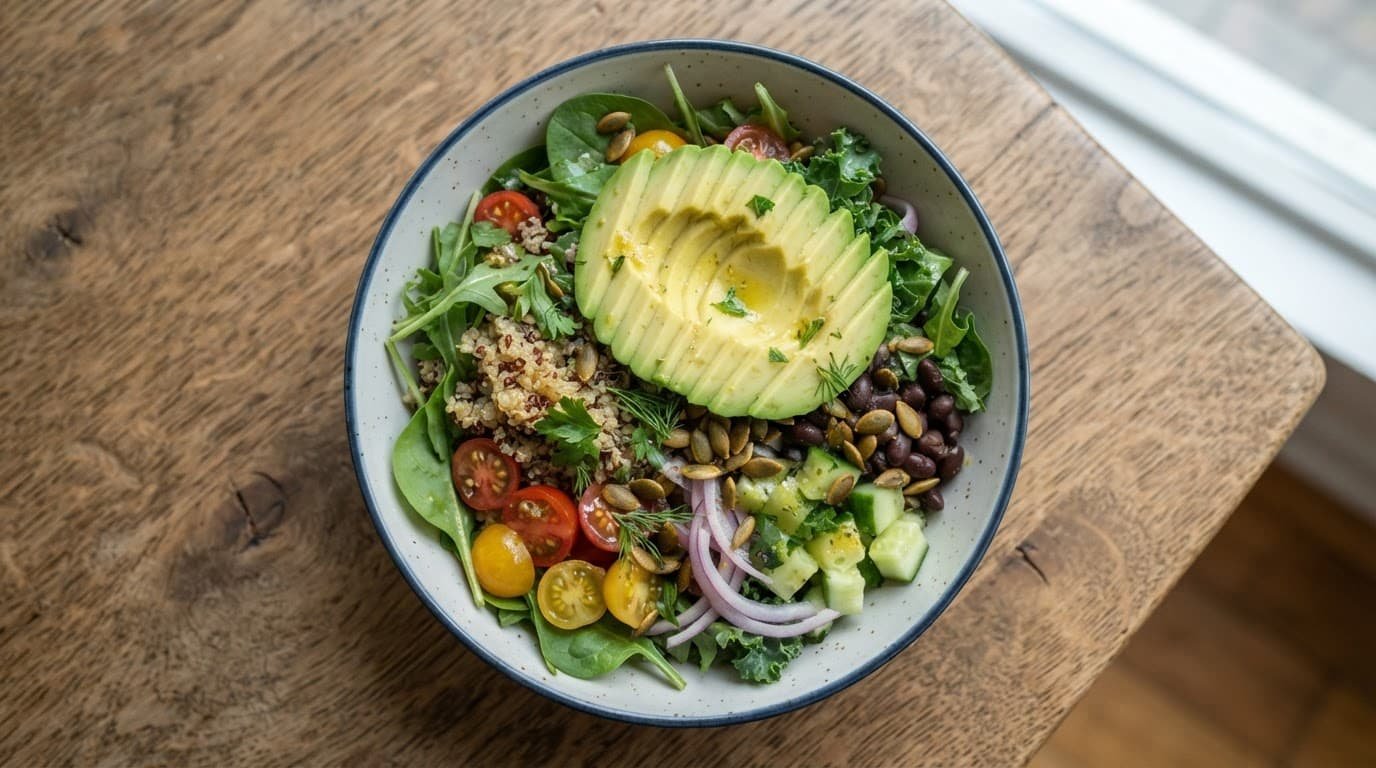
Added ingredients often matter more than the avocado itself. Chips, bacon, cheese, creamy sauces, and large pours of oil or avocado oil can turn a simple dish into a much higher-calorie meal.
How to Add Avocado Without Overdoing Calories
Start with a quarter to a half portion size of an avocado. Then build the meal around foods that add volume and nutrients, such as leafy greens, tomatoes, beans, eggs, grilled chicken, tofu, or brown rice.
For example, mashed avocado on whole-grain toast needs little more than a pinch of salt, pepper, and a sliced egg. A taco bowl can use avocado alongside beans, salsa, lettuce, and corn instead of a heavy sour cream topping, which helps support your weight loss goals by keeping extra fats in check.
No fixed serving size fits everyone. Hunger, activity level, health goals, and the rest of the meal should guide your portion size.
Fresh, Mashed, and Cooked Avocado: Does Preparation Matter?
Plain avocado keeps its basic nutrition whether you slice or mash it. Heat can reduce some heat-sensitive vitamin C, although baking ripe avocados briefly will not erase its fiber or fat content, including beneficial vitamin E. You can even use avocado oil for high-heat cooking when you want a neutral fat source.
Lemon or lime juice helps slow browning after cutting avocados. It adds bright flavor, but it does not replace the fruit’s nutrients. Salted avocado dips and flavored spreads can contain far more sodium than fresh fruit, so check the label when convenience products are part of your routine.
Who May Need to Watch Avocado Portions or Check With a Clinician
Most people can enjoy avocado regularly. However, a few situations call for individual guidance. People with kidney disease or a prescribed potassium limit may need to account for avocado’s potassium content within their full eating plan, especially since managing this mineral is vital for those tracking their health alongside conditions like cardiovascular disease and type 2 diabetes.
Avocado allergy is uncommon, but it can occur. Some people with latex allergy also react to certain fruits, including avocado. Hives, swelling, wheezing, vomiting, or trouble breathing after eating it require prompt medical attention.
People following a medically prescribed diet should ask a clinician or registered dietitian how avocado fits their plan, particularly when considering how its healthy fats affect blood cholesterol. For general eating, plain avocado is usually a better choice than heavily salted avocado products or fried avocado dishes. This avocado nutrient breakdown offers another useful look at its fiber, fat, and micronutrients so you can review the complete avocado nutrition facts.
How to Choose, Store, and Portion an Avocado
Choose an avocado that yields slightly under gentle pressure. Firm fruit can ripen at room temperature, while ripe avocados keep longer in the refrigerator.
After cutting, cover the exposed flesh tightly and refrigerate it. Browning affects appearance and flavor more than safety. If you want precise calorie tracking, weigh the edible flesh after removing the peel and pit to better manage your serving size and portion size. Paying attention to each serving size and portion size ensures you stay aligned with your health goals.
Frequently Asked Questions
How many calories are in a medium avocado?
A whole medium avocado generally contains around 220 calories, while a standard serving size of one-half provides about 109 calories. The exact calorie count can vary depending on the specific size, variety, and ripeness of the fruit.
Are the fats in avocados healthy?
Yes, the majority of the fat in avocados is monounsaturated fat, which is considered a healthy fat. This type of monounsaturated fat helps support heart health and can improve blood cholesterol levels when used to replace saturated fats.
Can eating avocados help with weight management?
Avocados can support weight loss because their dietary fiber and healthy fats content promote fullness and satiety. However, because they are calorie-dense, it is important to watch your portion size so they fit within your daily calorie needs.
Why do avocados help you feel full?
Avocados combine high dietary fiber with healthy fats, which slow stomach emptying and digestion. This unique pairing adds satisfying substance to meals, making you feel full for a longer period compared to low-fat foods.
A Practical Place for Avocado on Your Plate
When reviewing avocado nutrition facts, you will find a rich profile of healthy fats, dietary fiber, potassium content, folate, vitamin C, vitamin E, and vitamin K that all contribute to heart health. Because it is also calorie-dense, the amount you serve matters as much as the fruit itself.
A quarter or half avocado can fit comfortably into many eating patterns. Pair it with vegetables, beans, eggs, lean protein, or whole grains, and let the whole meal guide the portion. By choosing the right serving size and keeping an eye on your overall portion size, avocado works best as a satisfying part of a varied plate.
Healthy Nutrition Made Practical: A Flexible Guide to Balanced Eating