A stronger shampoo isn’t always the answer to an itchy, flaky scalp. Effective scalp psoriasis treatment depends on whether you’re dealing with thick scale, active inflammation, or another condition that looks similar.
The right routine can reduce discomfort without making your hair harder to manage. Recurring flare-ups can disrupt sleep and affect quality of life. Persistent plaques or worsening symptoms deserve medical attention rather than repeated product changes.
Start by checking what your scalp needs, then separate everyday care from treatments that require a dermatologist.
Key Takeaways
- Salicylic acid helps loosen attached scale, while coal tar can reduce psoriasis-related itching and scaling.
- Dandruff shampoos containing ketoconazole or zinc pyrithione address a different problem and aren’t established treatments for psoriasis plaques.
- Seek dermatology care for severe, persistent, worsening, or uncertain symptoms, especially with pain, hair loss, or joint changes.
What Does Scalp Psoriasis Look Like?
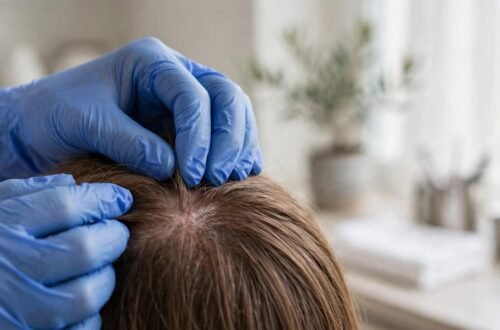
Recognizing plaques and inflammation
Scalp psoriasis is a chronic, immune-mediated condition. An overactive immune system speeds the production of skin cells, causing them to accumulate in raised patches called plaques. It isn’t contagious or caused by poor hygiene.
Typical symptoms include thick, dry scale, itching, soreness, and clearly defined patches. Plaques may extend beyond the hairline or appear behind the ears. The Primary Care Dermatology Society describes these characteristic plaques in its clinical guidance on psoriasis.
Appearance varies with skin tone. Inflammation may look pink or red on lighter skin, but purple, brown, or gray on darker skin. Check texture, thickness, and discomfort rather than redness alone.
How it differs from dandruff
Seborrheic dermatitis often produces thinner, less clearly defined patches with greasy or yellowish scale. Psoriasis more often produces thicker, dry plaques, although these conditions can overlap.
Burning after hair dye or a new styling product may suggest irritation or contact dermatitis. Patchy hair loss and broken hairs need assessment for other causes, including infection.
Flake color alone can’t confirm the diagnosis. If your symptoms fit dandruff, BuzziHealth’s dandruff shampoo care routine explains ingredient choices and application. Thick or persistent plaques need a different evaluation.
Over-the-Counter Options for Scalp Psoriasis
For attached scale, a scale-softening ingredient can loosen buildup so scalp-directed medicine reaches the skin more easily. Another ingredient can help reduce itching and scaling.
The American Academy of Dermatology’s scalp shampoo and scale-softener guidance explains these roles. Neither ingredient guarantees adequate control of significant inflammation.
Use these complete product names when searching Amazon or another retailer. Availability, sellers, pricing, and current formulations haven’t been verified. Confirm the exact variant and Drug Facts label before buying.
| Product to search | Active ingredient | Intended role |
|---|---|---|
| Neutrogena T/Sal Therapeutic Shampoo | Salicylic acid 3%, confirm current label | Helps loosen thick, attached scale |
| MG217 Psoriasis Medicated Conditioning Coal Tar Shampoo | Coal tar, confirm current concentration | Helps control psoriasis-related itching and scaling |
| Nizoral A-D Anti-Dandruff Shampoo | Ketoconazole 1%, confirm current label | Targets yeast-related dandruff, not established psoriasis plaque treatment |
| Head & Shoulders Classic Clean | Zinc pyrithione 1%, confirm current label | Supports dandruff control when that diagnosis applies |
| Vanicream Shampoo | Non-medicated | Provides cleansing between treatment washes; doesn’t treat psoriasis inflammation |
Choose over-the-counter products by active ingredient and diagnosis, not brand recognition. Different products within one brand may have different ingredients. Use medicated shampoos according to their labels.
Ketoconazole, zinc pyrithione, and selenium sulfide are dandruff-related options. They may help when seborrheic dermatitis overlaps with psoriasis, but shouldn’t replace prescribed psoriasis treatment.
Ask a pharmacist or dermatologist before starting medicated products if you’re pregnant, breastfeeding, or treating broken skin. Treatment choice also depends on your medical history and other medicines.
Build a Routine That Reaches the Scalp
Apply treatment without scraping plaques
During scalp psoriasis flare-ups, part dense hair so shampoo reaches the scalp rather than remaining on the strands. Massage gently with fingertips, then follow the label’s contact time and rinsing instructions. Longer contact doesn’t automatically improve results.
Start with one new OTC treatment rather than several shampoos, acids, and leave-in products together. This makes improvement or irritation easier to identify. A clinician can recommend combinations when needed.
Avoid picking, scratching, or forcefully lifting attached scales. Skin injury can worsen psoriasis, cause bleeding, and contribute to temporary hair loss.
Softening scale can help treatment reach the skin, but forcibly removing it can create new irritation and injury.
Account for textured hair and product warnings
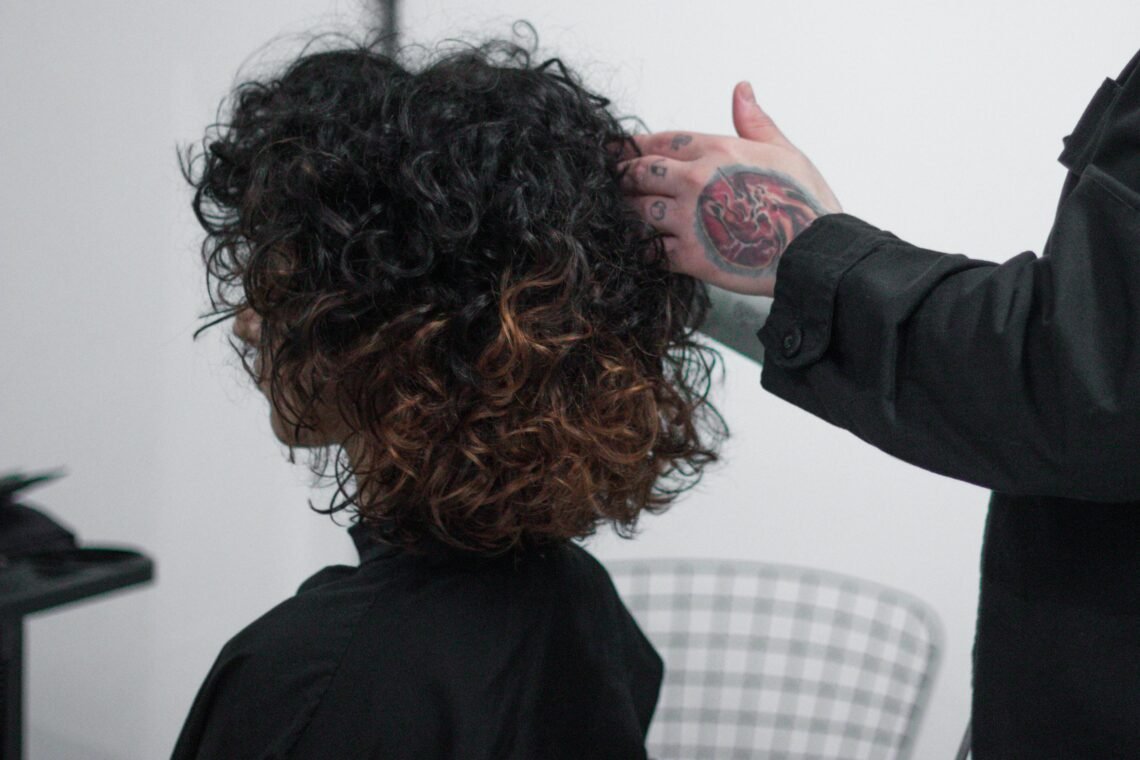
Curly and tightly coiled hair often needs extra protection against dryness. Apply medicated shampoo along scalp parts, rinse thoroughly, and condition the lengths and ends. Wash frequency should follow the product instructions and your individualized plan.
If braids or another protective style prevents scalp access or complete rinsing, consider an adjustment during treatment.
Coal tar can have an odor, discolor light-colored hair or fabrics, and increase sun sensitivity. Follow the package warnings and the AAD’s coal tar treatment advice. If washing requirements are difficult to maintain, ask about a leave-on prescription formulation.
Can Home Remedies Help an Itchy Scalp?
Oils may soften scale, but evidence is limited
Among home remedies, coconut oil is sometimes used to soften dry scale. Coconut oil may help loosen it, but it isn’t a proven treatment for the immune-driven inflammation behind scalp psoriasis.
Ask your dermatologist whether a scalp-appropriate scale softener would fit your treatment plan. Avoid forceful rubbing or scraping after applying an oil. If a product causes burning or a spreading rash, discontinue that new OTC product and seek advice.
Hair masks and protein treatments address the hair shaft, not psoriasis. Keep cosmetic hair care separate from scalp medicine.
Apple cider vinegar and scalp scrubs can add irritation
Apple cider vinegar isn’t an established psoriasis treatment. Apple cider vinegar can sting inflamed, cracked, or bleeding skin, so it isn’t a sensible starting point for a sore scalp.
Abrasive scalp scrubs and acidic exfoliants may also increase irritation, especially alongside salicylic acid.
For temporary comfort, try a cool compress and avoid very hot water or high-heat styling near painful areas. These adjustments may ease discomfort during flare-ups, but they don’t replace anti-inflammatory treatment.
Prescription Treatments for Persistent Scalp Psoriasis
Topical medicines reduce inflammation
Prescription topical treatments can reach the scalp and help control inflammation. A dermatologist may prescribe topical steroids as a solution, foam, lotion, or shampoo. Your dermatologist will guide the formulation, strength, and duration based on severity, location, and medical history.
These medicines help control plaques, unlike shampoos that soften scale. A dermatologist may combine topical steroids with a vitamin D analogue such as calcipotriene, or recommend another nonsteroid treatment.
Roflumilast foam is a once-daily nonsteroid option approved for plaque psoriasis of the scalp and body in people aged 12 and older. Whether it suits you depends on your clinical circumstances.
Ask where each product belongs, how long to use it, and what maintenance treatment follows improvement. Don’t stop or change prescribed treatment without medical advice.
Phototherapy and systemic medicines address harder-to-control disease
When topical treatment isn’t sufficient, dermatologists may consider supervised phototherapy. Hair can limit light reaching the scalp, so how phototherapy is delivered matters. Tanning beds and unsupervised sun exposure aren’t substitutes.
Systemic treatments, including oral medicines such as apremilast or methotrexate, may be considered when broader disease control is needed. Biologic therapies target particular parts of the immune response.
A 2025 review of psoriasis therapies describes topical and systemic options. Selection depends on disease burden, other health conditions, safety considerations, and monitoring needs.
Scalp involvement may cover a limited area, but severe itching, flare-ups, and disrupted sleep can affect quality of life. These symptoms can be reasons to discuss treatment beyond shampoo.
When Should You See a Dermatologist?
Arrange an appointment if scalp psoriasis remains troublesome despite correctly used OTC care, recurs often, or disrupts sleep or daily life. You don’t need to finish an extended shampoo trial if symptoms worsen or affect your quality of life.
Uncertain symptoms also warrant evaluation. A dermatologist can distinguish psoriasis from seborrheic dermatitis, contact dermatitis, and infection. Persistent hair loss deserves assessment rather than assuming psoriasis is the only cause.
Bring product names, ingredient labels, medication details, and photos showing changes over time. Note whether plaques occur elsewhere and whether your nails have changed.
Symptoms that need prompt attention
Painful swelling, pus, open sores, recurring bleeding, patchy hair loss, or broken hairs need prompt assessment. Fever with a painful scalp warrants urgent medical advice.
Face swelling or difficulty breathing after a product requires emergency care.
New joint pain, swelling, or prolonged morning stiffness also deserves medical attention. Some people with psoriasis develop psoriatic arthritis, an inflammatory joint condition. Scalp symptoms alone don’t mean you have arthritis, but joint symptoms shouldn’t be dismissed.
What to discuss at your appointment
Explain which symptoms matter most: itching, soreness, shedding, visible plaques, or difficulty maintaining treatment around your hairstyle.
Ask your dermatologist for a clear plan covering flare treatment, maintenance, expected improvement, and follow-up. Mention pregnancy plans, previous reactions, and other medicines. Discuss any joint symptoms or a prior psoriatic arthritis diagnosis with your clinician. A practical regimen must fit both your medical needs and your hair-care routine.
Frequently Asked Questions
Is there a permanent cure for scalp psoriasis?
There isn’t a definitive cure, but treatment can control symptoms and produce periods of clearer skin. Flares may return after improvement.
Maintenance care differs from treating an active flare. Your dermatologist can explain whether to continue, reduce, or change a medicine after symptoms settle. Recurrence doesn’t automatically mean a product failed; it may mean the condition needs ongoing management.
Can apple cider vinegar help an itchy scalp with scalp psoriasis?
Apple cider vinegar isn’t an established psoriasis treatment and may irritate inflamed or damaged skin.
Will scalp psoriasis make your hair fall out?
Inflammation, scratching, and forceful scale removal can contribute to temporary shedding. Hair often regrows when the scalp improves and damaging handling stops.
However, sudden shedding, bald patches, or broken hairs can have other causes. Seek assessment rather than adding hair-growth products to an inflamed scalp. Protecting your hair starts with identifying and treating the scalp problem.
Choose Relief Based on the Diagnosis
Effective scalp psoriasis treatment matches the problem: scale softening for attached buildup, anti-inflammatory medicine for plaques, and a routine that protects your hair.
More products don’t necessarily provide more relief. Check labels, avoid picking, and seek dermatology care when symptoms persist or worsen. Recurring flare-ups may mean your clinician-guided plan needs adjustment.
A clear diagnosis and a manageable treatment plan are more useful than repeatedly searching for a stronger shampoo.