

A hard workout after dealing with a lack of sleep can feel strange. Your legs may feel heavy, your pace slips, and even simple choices take more effort. Symptoms of lacking sleep can affect far more than your energy, including appetite, mood, focus, and recovery.
One rough night happens to everyone. However, when daytime fatigue becomes your normal, it deserves attention. I have learned to treat sleep as part of my training routine, not spare time left after everything else.
Key Takeaways
- Persistent daytime sleepiness, brain fog, irritability, headaches, and cravings often appear after too little sleep.
- Slow reactions and brief microsleeps can make driving, equipment use, and hard training unsafe.
- Chronic sleep deprivation can raise health risks and weaken workout recovery over time.
- A steady sleep schedule, morning light, and a calm bedroom can improve sleep habits.
- Persistent exhaustion or loud snoring deserves a conversation with a health professional.
Symptoms of Lacking Sleep: The Early Signs to Notice
Sleep deprivation means you are not getting enough sleep for your body’s needs. When you experience sleep deprivation, symptoms can show up after one late night, yet they often build when short nights become a pattern. Insufficient sleep affects everyone differently, so two people with the same bedtime may not feel the same effects.
The most familiar sign is daytime sleepiness. You may wake up feeling unrefreshed, hit snooze several times, or need caffeine before you feel human. Low energy can also show up as reduced motivation to cook, train, socialize, or finish routine work.
Mental signs often arrive quickly. You might lose your train of thought, reread the same email, forget why you opened an app, or struggle to stay present in a meeting. Research on sleep loss and cognitive performance links inadequate sleep with reduced attention, slower thinking, and changes in cognitive functions. These drops in focus can also trigger frustrating memory problems during routine tasks.
Physical cues can be easy to dismiss. Heavy eyelids, headaches, clumsiness, stronger hunger, and a shorter temper are common. A person who normally enjoys a morning run may cut it short because every interval feels harder than usual.
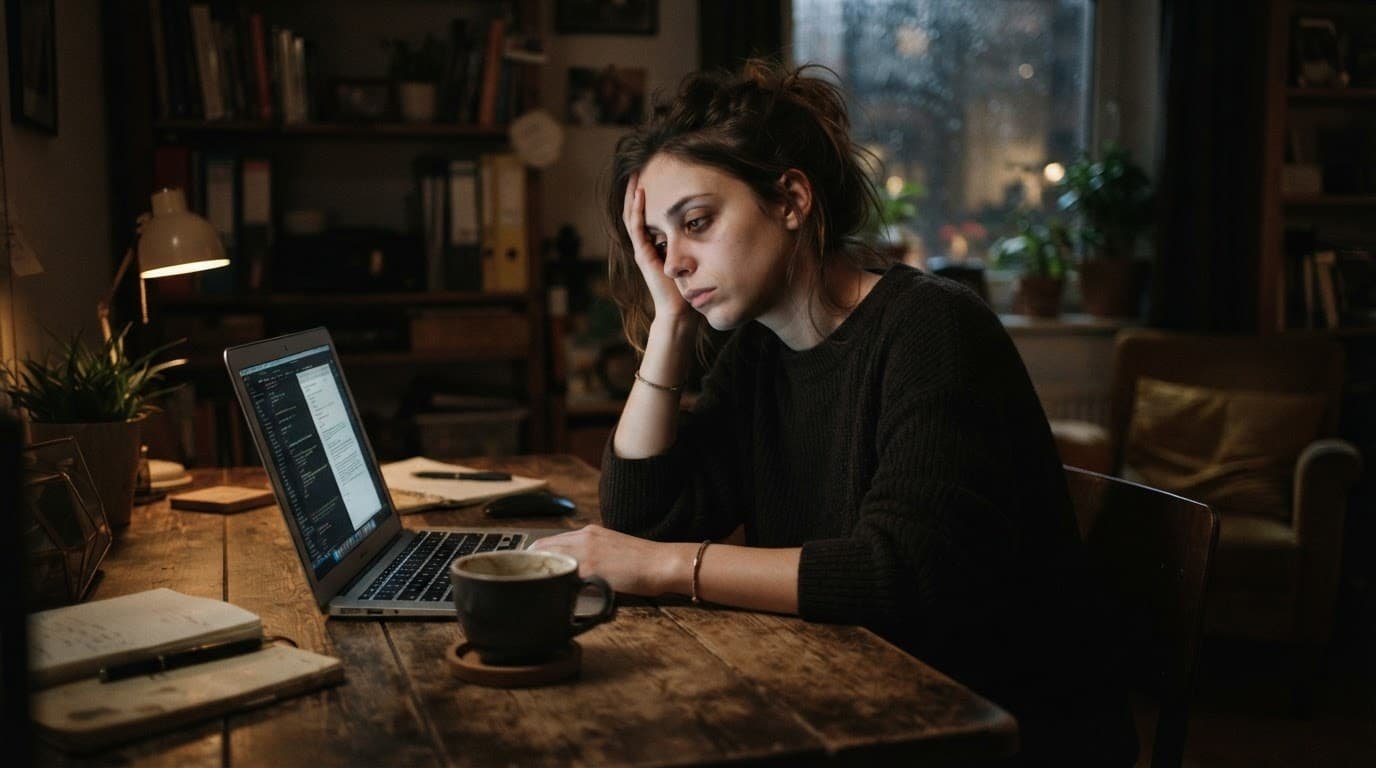
### How Poor Sleep Changes Mood, Focus, and Daily Performance
When sleep is short, minor problems can feel much larger. You may feel anxious, impatient, sad, overwhelmed, or less able to handle everyday stress. A lack of sleep alone does not diagnose a mental health condition, but it can make emotional regulation and overall mental health harder to manage.
Attention also becomes less reliable as disruptions to your circadian rhythms throw off your body clock. Small mistakes multiply, decisions take longer, and reaction time drops. In more severe cases, people can experience microsleeps, which are brief, unintended periods of sleep that may last only seconds.
Feeling alert enough to continue is not the same as being alert enough to drive safely.
Don’t drive, operate machinery, or attempt risky lifting when you are struggling to stay awake. If your eyes keep closing at the wheel, pull over safely and arrange another way home.
Physical Symptoms That Can Affect Fitness and Recovery
Poor sleep can leave your muscles sore and your coordination off. During training, you may notice worse pacing, less power, shaky balance, or poor form. Recovery can also feel slower after sessions that usually leave you feeling capable, especially when poor sleep quality disrupts the deeper stages of sleep.
Sleep supports muscle repair, immune activity, hormone balance, and energy regulation. A 2025 review of sleep deprivation and health outcomes describes effects across physical health systems. Still, sleep is not a cure-all. Ongoing pain, fatigue, or weakness can have other causes and should not be blamed on bedtime alone.
What Ongoing Sleep Loss Can Do to Your Health
A single late night often causes short-term fatigue and fogginess. Chronic insufficient sleep means you routinely get less sleep than you need, often for weeks or longer, which can lead to the health complications associated with chronic sleep deprivation. Most adults need at least seven hours nightly, while many feel and function best with seven to nine. Teenagers and children usually need more.
Over time, a lack of sleep and chronic sleep deprivation can raise the risk of weight changes, high blood pressure, heart disease, type 2 diabetes, mood problems, and reduced immune function. Harvard’s overview of sleep deficiency outlines these longer-term associations. Sleep is one factor among many, including genetics, activity, nutrition, stress, and access to care.
I recommend tracking bedtime, wake time, caffeine, exercise, stress, and daytime symptoms for one or two weeks. Patterns are more useful than guessing. For example, you may notice that a 3 p.m. energy drink helps you finish work but delays sleep later that night.
When Tiredness May Point to More Than a Sleep Schedule
Fatigue does not always come from too little time in bed. Various sleep disorders, chronic insomnia, insomnia symptoms, restless legs syndrome, medication effects, anemia, thyroid conditions, depression, anxiety, overtraining, and other health concerns can all affect energy.
Sleep apnea and obstructive sleep apnea deserve prompt attention. Common warning signs include loud snoring, gasping, witnessed breathing pauses, morning headaches, and severe daytime sleepiness, which may lead your doctor to recommend a sleep study evaluated by a sleep specialist. The CDC also describes connections between sleep disorders and chronic disease.
Talk with a doctor if tiredness lasts several weeks, disrupts work or exercise, or continues despite adequate time in bed. Unplanned dozing is another reason to seek care.
How to Recover From a Lack of Sleep and Sleep Better
Recovery starts with consistency, not a perfect bedtime routine. Set a wake time you can keep most days, then allow enough time before it for sleep. A consistent sleep schedule helps anchor your body clock, even after a poor night, while adapting your sleep patterns over time.
Get outside for morning light when possible to support healthy sleep. Regular movement can also support rest, though intense late-night workouts may keep some people alert. I try to move caffeine earlier in the day and avoid using alcohol as a sleep aid because it can disrupt rest later in the night.

Make the hour before bed less demanding through better sleep hygiene practices. Dim bright screens, stop intense work, and keep the bedroom cool, quiet, and dark to protect your overall sleep quality. If you need a nap, a short one in the early afternoon may improve alertness, but long or late naps can make nighttime rest harder.
Several recovery nights may be needed after repeated short sleep. These symptoms of lacking sleep usually improve with consistent rest, but persistent issues require a proper sleep deprivation treatment plan that involves more than just weekend catch-up sleep.
A Simple Sleep Planner to Support Healthier Nights
I created my two-in-one sleep planner and e-book for people who want more structure than a vague goal to “go to bed earlier.” It combines plain-language sleep education with routine prompts and planning pages.
Using it helped me spot the connection between late caffeine, irregular sleep patterns, and poor training days. It also gave me a simple bedtime routine I could repeat without overthinking it, which vastly improved my daily sleep hygiene. I don’t treat it as medical care or a promise of perfect sleep, but tracking your sleep quality with this tool can help you stay accountable while you build habits.
to improve sleep naturally at home without pills get a copy of the 2in1 ebook and planner 👇
Frequently Asked Questions
Can One Night of Poor Sleep Cause Noticeable Symptoms?
Yes. One short night can cause sleep deprivation, lower focus, irritability, slower reactions, and daytime fatigue. These effects often improve after adequate rest, but severe drowsiness still creates real safety risks.
How Many Hours of Sleep Do Adults Usually Need?
Most adults need at least seven hours each night. Many function best with seven to nine hours of healthy sleep that allows them to cycle through all necessary stages of sleep, although age, health, and individual needs matter. Your daytime alertness is an important clue.
Can Catching Up on Sleep Fix Sleep Deprivation?
Extra sleep can ease some short-term effects. However, after chronic sleep deprivation, you may need several nights of consistent rest and improved sleep quality before you feel normal again. Regular sleep is more reliable than depending on weekend catch-up sleep.
When Should Someone See a Doctor About Feeling Tired?
Seek medical advice when tiredness persists, interrupts work or exercise, causes unplanned dozing, or continues despite enough time in bed. Persistent fatigue can sometimes point to underlying sleep disorders, such as obstructive sleep apnea, which may require an evaluation by a sleep specialist or a diagnostic sleep study. Get urgent help for trouble staying awake while driving, breathing pauses during sleep, chest pain, severe shortness of breath, or sudden confusion.
Rest Is Part of Your Health Plan
The common symptoms of lacking sleep include daytime fatigue, brain fog, mood changes, cravings, weaker physical performance, and slower reactions. When those signs keep returning, your body is asking for more attention than another coffee can provide.
I treat sleep as training support and basic health care that protects your mental health and physical health alike. Track tonight’s bedtime, wake time, and daytime symptoms, then choose one sleep habit to improve your sleep schedule this week.