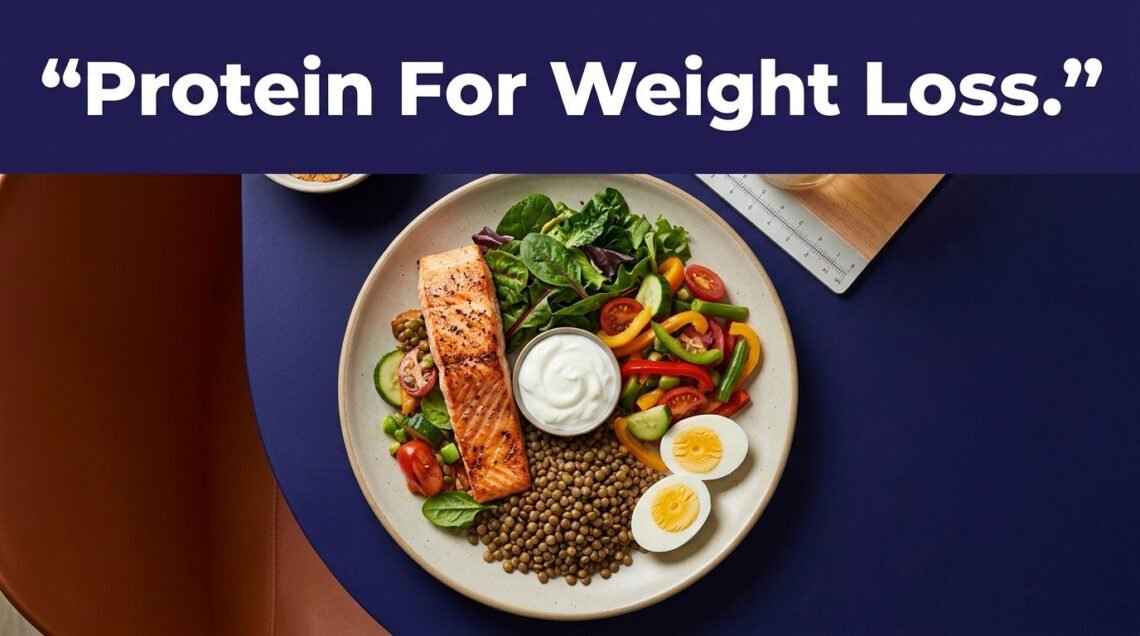
Protein can make a calorie deficit feel more manageable, but it doesn’t cause fat loss on its own. Protein for weight loss works best when it helps you stay full, maintain muscle, and build meals you can repeat without feeling deprived during weight loss.
Adopting a high-protein diet helps you stay full and manage cravings while cutting calories. Your ideal amount depends on body size, age, activity, food preferences, and health history. Focusing on a practical protein intake target is more useful than chasing the highest number possible for long term weight management.
Key Takeaways
- Protein helps make a calorie deficit more sustainable by keeping you full, managing cravings, and slightly boosting energy expenditure through diet-induced thermogenesis.
- A practical daily protein target for weight loss is 1.2 to 1.6 grams per kilogram of body weight, which exceeds the basic recommended dietary allowance to help preserve muscle mass.
- Spreading your protein intake across multiple meals rather than consuming it all at once helps stabilize blood sugar and control appetite throughout the day.
- You can easily meet your goals using a mix of whole food sources like lean meats, eggs, dairy, beans, and lentils, supplemented with protein powders if desired.
Why Protein Helps During Weight Loss
Weight loss requires an overall calorie deficit. In other words, your body must use more energy than it gets from food and drinks over time to achieve successful weight loss. A high-protein diet does not cancel out excess calories, yet it can make that deficit easier to sustain during weight loss.
First, protein-rich meals often keep hunger away longer than meals built mostly around refined carbohydrates because dietary protein positively influences satiety hormones and appetite regulation. Greek yogurt with berries and nuts may hold you longer than a sweet pastry with the same calories. That difference can make afternoon snacking less tempting as you manage your overall calorie intake and support weight loss. Furthermore, digesting protein requires more energy than processing carbs or fats, a process known as diet-induced thermogenesis that slightly boosts your daily energy expenditure and resting energy expenditure.
Protein also helps protect lean muscle mass and fat-free mass while you lose weight. When calorie intake drops, the body can lose some muscle along with fat. Resistance training and adequate protein intake reduce that risk during weight loss. Keeping more lean muscle mass also supports strength, mobility, and daily function while improving overall body composition.
The adult recommended dietary allowance is 0.8 grams of protein per kilogram of body weight per day. However, that figure is designed to prevent deficiency in most healthy adults, not to optimize fullness or preserve muscle during dieting. A review of high-protein diets explains why higher levels of protein intake may help with appetite and body-composition outcomes during energy restriction.
Protein is most helpful when it replaces less-filling calories, rather than when it is added on top of your usual intake.
For instance, swapping a low-protein breakfast for eggs, cottage cheese, or yogurt can improve satiety. Adding a protein shake after an already large breakfast may simply increase your energy expenditure or total energy without aiding your goals.
How Much Protein for Weight Loss Is Enough?
For many adults, a daily protein intake of 1.2 to 1.6 grams per kilogram of body weight is a practical range during a calorie deficit. This is above the standard recommended dietary allowance, yet it is attainable with ordinary food to support weight loss and improve body composition.
To calculate a starting target for your weight loss goals, divide your body weight in pounds by 2.2 to get kilograms. Then multiply that number by 1.2 and 1.6 to find your ideal daily protein intake.
| Body weight | Weight in kilograms | Daily protein range |
|---|---|---|
| 150 pounds | 68 kg | 82 to 109 grams |
| 180 pounds | 82 kg | 98 to 131 grams |
| 210 pounds | 95 kg | 114 to 152 grams |
A 150-pound person could start around 90 grams daily. They don’t need to hit the same number perfectly every day, and weekly consistency in your overall calorie intake matters more than a single meal or snack.
For people in larger bodies, calculating from a realistic goal weight can sometimes give a more workable starting number to preserve fat-free mass and protect body composition. A registered dietitian can help set that target when weight-based math feels excessive or confusing.
Research often finds benefits when meals contain roughly 25 to 30 grams of dietary protein to protect lean tissue during weight loss. A review on protein and weight management reported that this meal pattern may improve appetite regulation, support weight management, and enhance overall weight management outcomes.
Still, you don’t need a rigid meal plan or a complicated high-protein diet to see results. Someone aiming for 100 grams a day on a high-protein diet might eat 25 grams of dietary protein at breakfast, 30 grams at lunch, 30 grams at dinner, and 15 grams in a snack. Another person may prefer two larger meals, so choose the pattern that fits your appetite and schedule.
Adjust Your Protein Target for Activity and Age
Activity changes the picture. If you lift weights, do physically demanding work, or train regularly for endurance sports, aim toward the upper end of the 1.2 to 1.6 gram range. Some active people may benefit from a high-protein diet, especially during a steep calorie deficit, but more protein is not automatically better.
Resistance training gives dietary protein a clear job to do, and a high-protein diet helps support muscle recovery during weight loss. Muscles need a reason to adapt. Two or three full-body sessions each week, paired with enough protein, can help you keep strength while the scale moves down. Resistance training and adequate dietary protein also protect lean muscle mass, supporting your overall body composition and resting energy expenditure.
Older adults also have a stronger reason to avoid low protein intake. Muscle loss becomes more common with age, and dieting without enough protein can worsen weakness. Maintaining optimal protein intake helps preserve fat-free mass and lean muscle mass as you age. A target around 1.0 to 1.2 grams per kilogram may suit many healthy adults over 65, although a clinician should tailor the amount to medical needs.
On the other hand, a sedentary adult who dislikes protein-heavy meals doesn’t need to force 160 grams a day. A moderate target that you can meet through normal meals is more useful than an aggressive plan that leaves you frustrated. Balancing your protein intake, energy expenditure, and overall calorie intake keeps your metabolic rate steady and supports long-term body composition goals.
The evidence on higher-protein dieting is encouraging, but context matters. The clinical review of protein and weight control notes that results depend on the overall diet, calorie intake, and the population studied. Food quality, sleep, activity, and stress still affect progress.
Build Protein Into Meals You Already Eat
You can reach a useful protein target without living on plain chicken breast. Start by choosing one protein source for each meal, then add vegetables, fruit, whole grains, or healthy fats based on your calorie needs. Combining healthy fats with your meals helps keep you full, while healthy fats also assist in nutrient absorption.

These familiar portions can help you estimate your day:
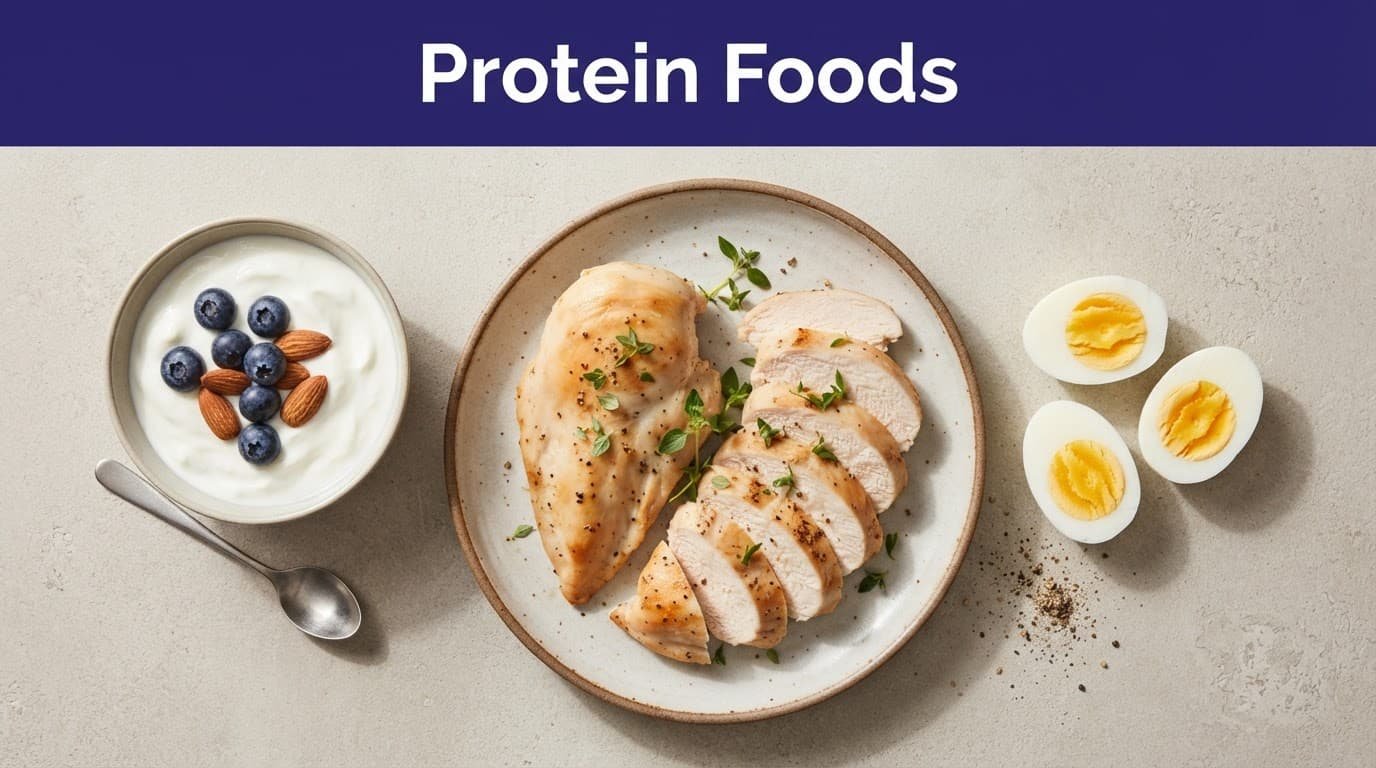
- A 6-ounce container of Greek yogurt often provides 15 to 20 grams of protein, depending on the brand.
- Three ounces of cooked chicken breast, turkey, fish, or other lean meats provides about 20 to 25 grams of animal protein, delivering all essential amino acids. Lean meats are a convenient source of animal protein, and animal protein naturally supplies all essential amino acids for muscle maintenance.
- Two large eggs provide about 12 grams, so pair them with cottage cheese, beans, or yogurt if you want a higher-protein breakfast.
- One cup of cooked lentils supplies about 18 grams, while a cup of cooked black beans has about 15 grams.
- A half cup of cottage cheese usually provides 12 to 14 grams.
- Firm tofu provides roughly 20 grams per half block, though amounts vary by product.
Plant foods count. Beans, lentils, tofu, tempeh, edamame, soy milk, and seitan can support protein for weight loss while adding fiber. Fiber also helps fullness, so a lentil bowl may satisfy you longer than a processed protein bar, and pairing plant-based protein with fiber helps stabilize blood sugar levels. Incorporating plant-based protein sources like beans and lentils into a high-protein diet supports weight loss, and relying on diverse plant-based protein ensures you still get adequate nutrients.
Processed meats and heavily sweetened protein products can fit occasionally, but they shouldn’t carry your entire diet. When managing your daily protein intake, choose options you enjoy, can afford, and can prepare often. Canned tuna, eggs, frozen shrimp, rotisserie chicken, plain yogurt, dried lentils, and tofu are all practical staples for any healthy protein intake plan.
Protein powders can be convenient, especially after training or on busy mornings. However, they are supplements, not a requirement. Check the label for protein, calories, added sugar, and ingredients. A shake that adds 300 calories may work for some people, while a simple yogurt bowl may suit others better. If you choose a supplement, whey protein is a popular option that delivers essential amino acids, and whey protein mixes easily into oats or smoothies. Adding whey protein can boost your overall dietary protein, and a quality dietary protein strategy can include both whole foods and powders. Following a high-protein diet successfully often means finding the right balance of whole foods and supplements to meet your daily protein intake goals.
Common Mistakes That Stall Progress
The first mistake is treating protein as a free food. Nut butters, cheese, healthy fats, fatty cuts of meat, and protein bars can contribute substantial calories. While managing your calorie intake is crucial for weight loss, these high-calorie items can still fit your plan if you watch your portions. Overlooking hidden calories can easily stall your weight loss and disrupt your daily calorie intake.
Another problem is leaving nearly all your protein for dinner. A large steak at night may raise your daily total, yet it won’t help much with morning or afternoon hunger. Spreading your protein intake across meals when possible helps stabilize blood sugar levels and triggers satiety hormones to keep food cravings at bay. In addition, a consistent protein intake supports diet-induced thermogenesis throughout the day, while evenly timed meals prevent sudden food cravings and late-night food cravings.
Many people also set an ambitious target for their daily protein intake, miss it for two days, and abandon the plan. Begin where you are. If your current baseline on a high-protein diet is around 50 grams daily, move toward 70 or 80 grams first. Then reassess your hunger, energy, workout recovery, and results. Establishing sustainable routines on a high-protein diet is essential for long-term weight maintenance and successful weight maintenance down the road.
Finally, don’t let protein crowd out fruits, vegetables, fiber-rich carbohydrates, and healthy fats. A sustainable calorie deficit still needs variety. Your meals should feel satisfying, not like a daily math assignment.
When You Need Individual Medical Advice
Higher protein intake isn’t right for every person. Talk with a physician or registered dietitian before increasing your dietary protein or starting a high-protein diet if you have chronic kidney disease, reduced kidney function, liver disease, or another condition that affects protein needs.
Pregnancy and breastfeeding require individualized nutrition guidance. People with a current or past eating disorder also deserve support that does not turn food tracking into distress. A qualified clinician can set a plan that protects both physical and mental health.
Medications, unintentional weight loss, digestive conditions, and cancer treatment can also change your nutrition needs, especially when managing kidney function. In those cases, general calculators for protein intake are only a starting point, and professional oversight is essential to monitor your kidney function over time.
Frequently Asked Questions
How much protein do I need each day for weight loss?
For most adults, a daily intake of 1.2 to 1.6 grams of protein per kilogram of body weight is a practical and effective range during a calorie deficit. This amount helps preserve muscle mass and keeps hunger at bay without requiring an overly restrictive or complicated diet.
Does eating more protein automatically cause weight loss?
No, protein does not burn fat on its own and cannot cancel out excess calories. Weight loss still requires an overall calorie deficit, but protein makes that deficit easier to maintain by improving satiety and protecting lean muscle.
Is it better to get protein from animal or plant sources?
Both animal and plant proteins can support your weight loss goals effectively. Animal proteins provide all essential amino acids easily, while plant proteins like beans, lentils, and tofu also supply beneficial fiber to help manage hunger.
Can I eat too much protein?
While a high-protein diet is safe for most healthy people, consuming excessive amounts is generally unnecessary and can crowd out other important nutrients like fiber-rich carbohydrates and healthy fats. Individuals with pre-existing kidney or liver conditions should consult a healthcare professional before significantly increasing their protein intake.
A Practical Protein Target to Keep
Protein can help you with weight loss and weight management, offering a reliable path to weight loss when you want to achieve successful weight management over time. By supporting fat-free mass, lean muscle mass, and resistance training results, it protects your physique during a moderate calorie deficit. For many adults, 1.2 to 1.6 grams per kilogram daily is a sensible starting range that exceeds the basic recommended dietary allowance.
Optimizing your protein intake supports weight loss, while an intentional high-protein diet enhances daily energy expenditure and resting energy expenditure. This higher dietary protein also boosts diet-induced thermogenesis and total energy expenditure, which helps stabilize blood sugar levels and manage food cravings. By utilizing essential amino acids from animal protein, plant-based protein, lean meats, and whey protein, you can effectively trigger satiety hormones and improve appetite regulation.
Start with one quality protein source at each meal alongside healthy fats, then adjust based on your appetite, activity, and progress. This supports long-term weight maintenance and overall health without placing undue strain on normal kidney function. The best target for weight maintenance is one that protects your health, preserves your metabolic rate, and still leaves room for meals you enjoy.
Healthy Weight Loss in 2026: A Beginner’s Guide to Getting Started