
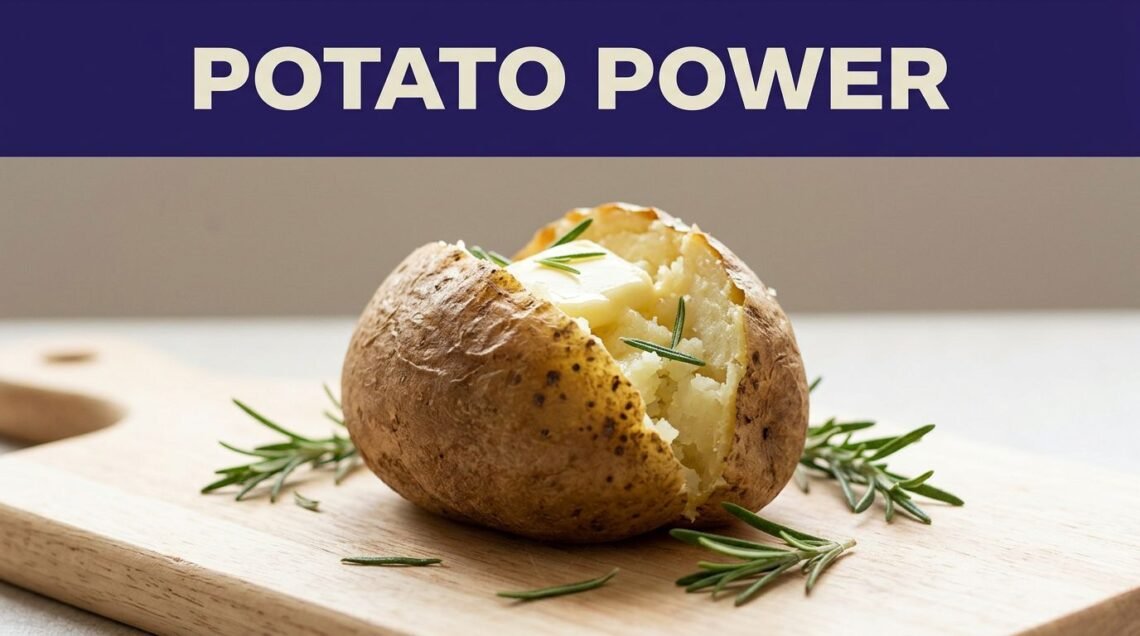
Potatoes are often treated as an unhealthy side dish, yet this nutrient-dense vegetable naturally provides carbohydrates, fiber, potassium, vitamin C, and more. The nutrition of potatoes changes with the variety, serving size, cooking method, and whatever lands on top.
A baked potato and an order of french fries begin with the same vegetable, but they don’t offer the same meal. Clear choices matter more than a good-or-bad food label.
Key Takeaways
- A medium plain baked potato with skin has about 160 calories and 37 grams of carbohydrate.
- Baked potatoes provide essential dietary fiber, plant-based protein, vitamin C, and vitamin B6.
- Keeping the skin adds fiber, although well-washed peeled potatoes are also nutritious.
- Heavy toppings like butter, cheese, cream, oil, and salt quickly add unnecessary calories, sodium, and saturated fat.
- Pair potatoes with protein and vegetables for a more balanced, filling plate.
Nutrition of Potatoes: Calories, Carbs, and Key Nutrients
One medium baked potato with skin, about 173 grams, has roughly 160 calories, 37 grams of carbohydrate, 4 grams of protein, less than 1 gram of fat, and nearly 4 grams of dietary fiber. It also provides a high potassium content, along with vitamin C, vitamin B6, and a modest iron content.
Potatoes are naturally fat-free and low in sodium before preparation. The official potato nutrition facts from Potato Goodness also show why they work well as an affordable carbohydrate choice.
Values vary with potato size, variety, and cooking method. Plain baked potatoes stay fairly simple. Add butter, sour cream, bacon, cheese, or oil, and the final dish can contain far more calories, saturated fat, and sodium.
Skin on Potato and Its Nutritional Value
The skin and the layer beneath it contain fiber and minerals, including potassium. Scrub potatoes under running water before cooking, especially when you plan to eat the skin on potato dishes.
You don’t need to eat skins to get nutrition from potatoes. However, cut away damaged, green, or sprouted areas. Discard potatoes that are extensively green or taste unusually bitter.
Are Potatoes a Good Source of Carbohydrates?
Potatoes are starchy carbohydrates, so they provide energy for the body and brain. Managing your carbohydrate intake becomes easier when you understand that their total carbohydrate includes starch, fiber, and a small amount of naturally occurring sugar.
They don’t automatically cause weight gain. A reasonable portion of plain potato has a different effect on a meal than a large serving of french fries or loaded mashed potatoes.
Health Benefits of Eating Potatoes in a Balanced Diet
The nutrition of potatoes can support a balanced diet when the potatoes are baked, boiled, or roasted with modest added fat. Their impressive potassium content helps support healthy blood pressure and reduces risks associated with cardiovascular disease, while dietary fiber helps support regular digestion.
Vitamin C helps with normal immune function and collagen formation. Alongside these benefits, colorful varieties offer helpful antioxidant properties. Still, cooking can reduce vitamin C because it is sensitive to heat and water, though the National Potato Council’s nutrition overview notes that potatoes still provide valuable vitamin C while remaining naturally free of fat and cholesterol.

### Potassium, Fiber, and Vitamin C in Potatoes
Potassium helps the body regulate fluid balance and supports muscles. Potatoes can make a useful contribution to daily potassium intake, although they should not be your only source.
Fiber is higher when you eat the skin. Meanwhile, vitamin C levels may be lower after long cooking times or boiling in plenty of water.
Resistant Starch in Chilled or Reheated Potatoes
After cooked potatoes cool, some starch becomes resistant starch. This resistant starch reaches the large intestine rather than digesting fully in the small intestine, which may slightly change blood sugar response and overall blood sugar impact for some people.
Cooling doesn’t make potatoes low-carb or calorie-free. Refrigerate cooked potatoes promptly in a shallow container, then reheat them thoroughly before eating.
How Potato Types and Cooking Methods Affect Nutrition
Russets are fluffy and high in starch, so they suit baking and mashing. Red and yellow potatoes tend to hold their shape better, while sweet potatoes are a different botanical food with more beta carotene. When evaluating the overall nutrition of potatoes, the specific variety matters, and sweet potatoes offer a distinct profile of vitamins and minerals.
Regular potatoes still offer useful nutrients. A study of potato intake and diet quality found that potato consumers had higher intakes of several nutrients, including potassium and vitamin B6. When you combine standard spuds or sweet potatoes with whole grains, you create a meal that easily supports high daily targets for potassium content, vitamin B6, and plant-based protein.
Boiling and baking keep added fat low. For instance, plain boiled potatoes preserve maximum nutrient retention without extra calories, whereas cooking methods like deep frying french fries add considerable oil and often sodium. Roasting can also be a good choice with a light coating of olive oil, while mashed potatoes may become rich in butter and cream.
Simple Ways to Make Potato Meals More Nutritious
Build the meal around the potato rather than treating it as a blank canvas for toppings:
- Serve roasted potatoes with salmon, chicken, tofu, eggs, beans, or lentils.
- Add broccoli, peppers, greens, or a side salad for more fiber and color.
- Use salsa, herbs, plain Greek yogurt, or olive oil instead of heavy cream and processed meat.
Who Should Pay Attention to Potato Portions and Preparation?
People managing type 2 diabetes or blood sugar concerns may need to watch their portion sizes and consider the full meal context. Pairing this nutrient-dense vegetable with protein, vegetables, and healthy fats slows digestion, which helps manage blood sugar compared with eating a large potato dish alone. Monitoring your overall carbohydrate intake also supports overall blood pressure management, particularly when you avoid greasy french fries and other heavily processed options.
Portion size and cooking methods directly alter the glycemic load of your meal. Because potatoes contain starch, they can raise blood glucose, yet the exact response depends on preparation, variety, and personal metabolism. Understanding your glycemic load helps prevent unwanted spikes, especially for individuals monitoring type 2 diabetes.
Plain potatoes can also fit into weight-conscious meals because they are filling for their calories. Fries and heavily loaded potato dishes require more attention because added oil and toppings raise energy density.
Frequently Asked Questions
Are potatoes healthy to eat every day?
Potatoes can fit into a healthy daily diet when portions and preparation are balanced, especially if you avoid deep-fried options like french fries. Still, rotate other vegetables, whole grains, and carbohydrate sources to widen your nutrient intake.
Do potatoes have protein?
Yes, but potatoes provide only a modest amount, around 4 grams in a medium baked potato. Pair them with beans, eggs, dairy, fish, poultry, or tofu for a more protein-rich meal.
Are potatoes gluten-free?
Plain potatoes are naturally gluten-free. Prepared potato products, seasonings, restaurant fryers, and shared equipment may introduce gluten, so people with celiac disease should check labels and preparation practices.
Are potato skins safe to eat?
Well-washed, undamaged skins are generally safe and edible. Remove any green skin, sprouted, bitter, or badly damaged portions, and discard a potato with widespread discoloration since leaving the skin on potato dishes is otherwise nutritious.
Which is healthier, potatoes or rice?
Both can fit into nutritious meals, and comparing them to sweet potatoes shows that varieties vary in their exact micronutrient profiles. Regular potatoes offer more vitamin C and a high potassium content, while rice choices vary widely by type, serving size, and preparation.
Does cooling a potato lower its calories?
Cooling doesn’t remove most of a potato’s calories. It may increase resistant starch somewhat, particularly in plain boiled potatoes, but the original portion and added ingredients still matter for anyone managing conditions like type 2 diabetes.
A Practical Way to Enjoy Potatoes
Plain potatoes offer useful nutrition without needing a health halo. When you understand the true nutrition of potatoes, you can easily include them in your meals. Choose a reasonable serving, keep the skin when you enjoy it, and use cooking methods with less added oil and salt.
A sensible portion rich in vitamin C can fit comfortably into a healthy diet without causing unwanted weight gain or drastic blood sugar spikes. A potato paired with protein and vegetables can be a satisfying meal, because the overall plate matters far more than labeling potatoes as simply good or bad.
Healthy Nutrition Made Practical: A Flexible Guide to Balanced Eating