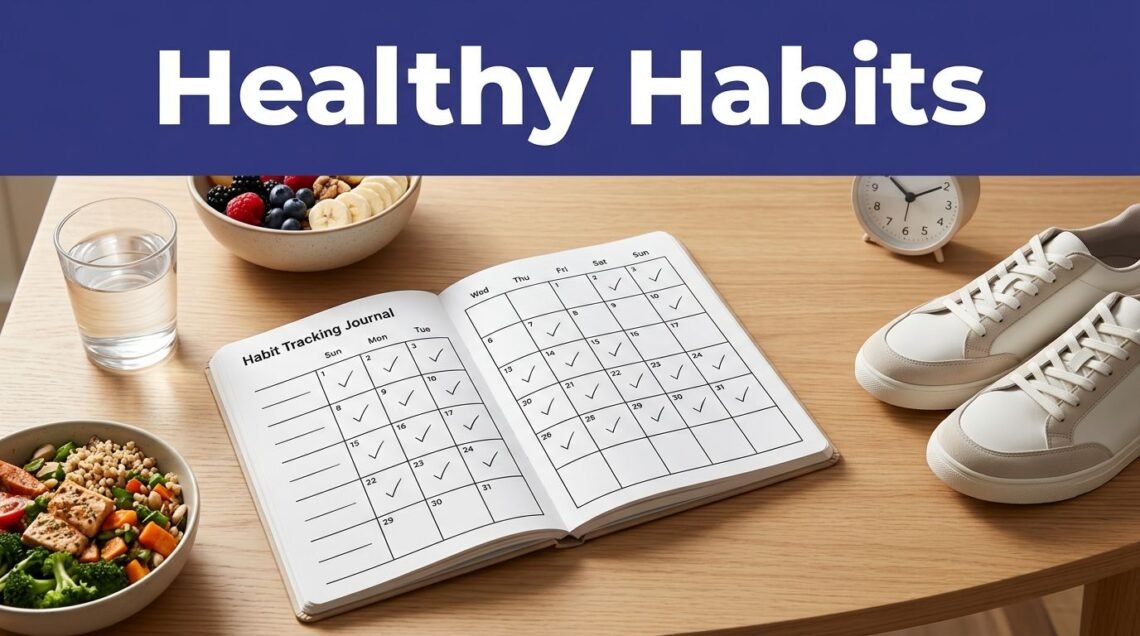
Big lifestyle changes often fail because they ask too much of you at once. A healthy habits tracker uses habit tracking to break long-term goals into manageable daily habits, so you can focus on one repeatable choice at a time and return to it tomorrow.
This 30-day plan supports gradual weight loss and better health without strict food rules or punishing workouts. A simple routine planner can help you sustain small choices without overwhelming your schedule, even during busy weeks, low-energy days, travel, and imperfect routines.
Start with habits you can repeat, then use the record to learn what fits your real life.
Key Takeaways
- A healthy habits tracker turns broad goals into small, clear actions you can repeat in real life.
- Start with three to six simple habits, define an easier version for busy days, and use reliable cues to support consistency.
- The 30-day plan gradually adds water, produce, movement, balanced meals, sleep, and mindful pauses without demanding perfection.
- Use missed days and completion patterns as information: reduce the habit, change the cue, and restart at the next opportunity.
- Focus on habits that support energy, sleep, movement, and balanced eating rather than relying only on weight or flawless streaks.
How a Healthy Habits Tracker Builds Consistency
A tracker does not create motivation on its own. It gives your actions a visible home. Habit tracking can turn a vague intention, such as “eat better,” into a clear action, such as “add a vegetable to lunch.”
Effective habit tracking also works best with a clear visual cue. Leaving a water bottle beside your bag, for example, can remind you to fill it after brushing your teeth. You might also take a short walk after lunch. When the cue stays the same, the action gets easier to remember and repeat.
Research on making health behaviors habitual supports this approach, while the principles of atomic habits emphasize making small actions easy to notice and complete. Thirty days is a useful starting window, but it is not a deadline for becoming a different person. A systematic review of habit formation found that automatic habits can take much longer than a few weeks. Some behaviors also take more repetition than others.
That is good news. Missing a day does not erase progress. Your healthy habits tracker is a record, not a scorecard. Use it to spot patterns, then adjust the habit or the cue when it is too hard to repeat.
A habit that happens four days a week can support your health. Keeping a habit journal can build consistency without requiring a perfect habit streak.
Set Up Your 30-Day Healthy Habits Tracker
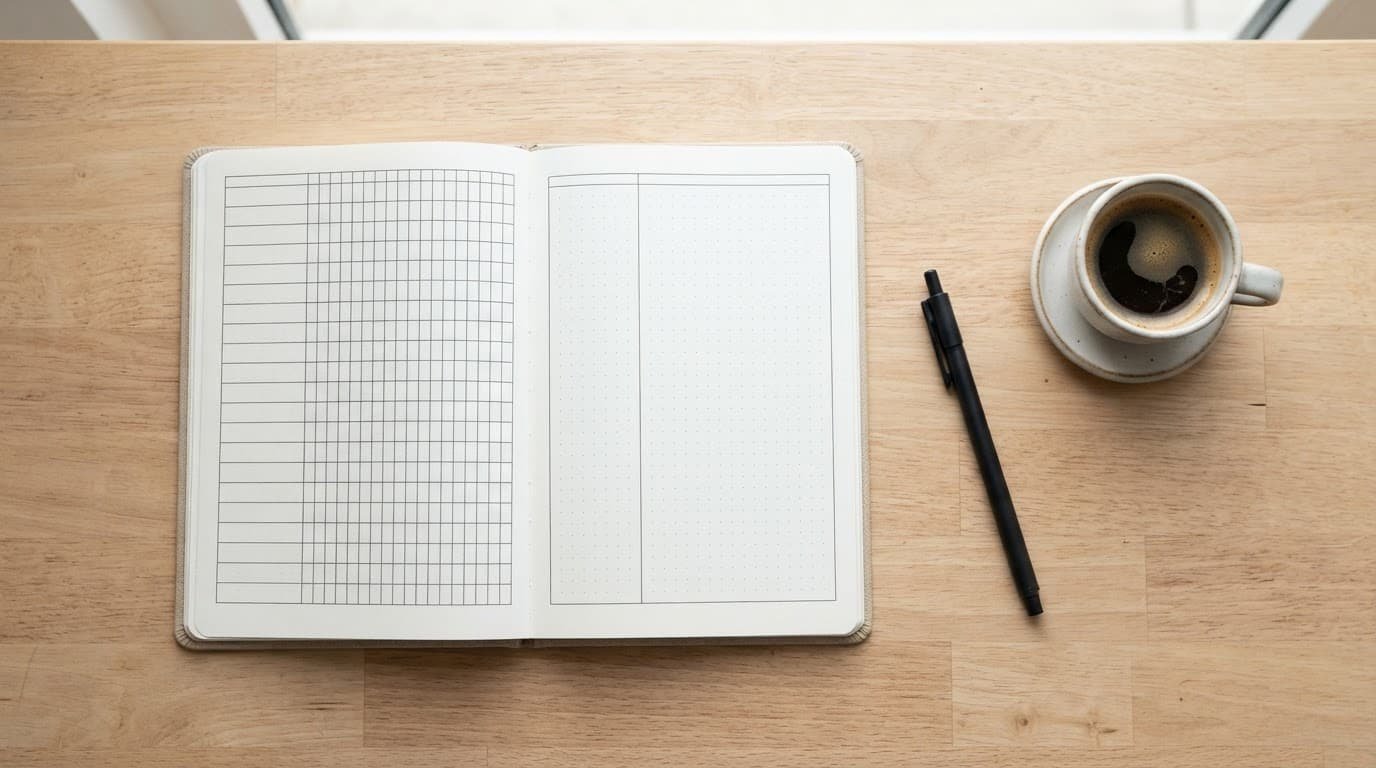
Keep the first version simple. Choose four to six habits, each with a clear finish line. “Move more” is hard to mark. “Walk for 10 minutes” is easy to mark, even on a crowded day.
A paper calendar, notes app, or mobile app can work well. A dedicated habit tracker app may also include interactive widgets that make daily check-ins easier. Make 30 boxes for each habit, then add a checkmark, dot, or color when you complete it. If you prefer numbers, write the minutes walked or hours slept instead.
Use this starter layout as a customizable habit schedule and habit builder framework. It supports simple goal tracking with everyday productivity tools, and you can change any habit that does not suit you.
| Habit | Daily minimum | Easier version for busy days |
|---|---|---|
| Drink water | Refill a 20-ounce bottle twice | Fill it once and drink with meals |
| Eat produce | Include fruit or vegetables twice | Add one piece of fruit |
| Build balanced meals | Include protein at two meals | Add yogurt, eggs, beans, or tuna once |
| Move your body | Walk or move for 20 minutes | Take a 5-minute walk |
| Protect sleep | Start a wind-down routine 30 minutes before bed | Put your phone away for 10 minutes |
| Pause before snacking | Take three breaths and check hunger | Sit down before eating |
The goal is a repeatable minimum, not the most impressive day possible. A 5-minute walk still counts. A frozen vegetable side still counts. Canned beans, bagged salad, and a store-bought rotisserie chicken can all make a balanced meal easier.
Write one personal reason at the top of the page, such as having more energy for afternoon meetings or feeling more comfortable on stairs. Keep it concrete and kind. Weight can be one measure of change, but it should not be the only one.
The 30-Day Plan for Sustainable Health Habits
Days 1 to 7: Make the first step almost too easy
Start by tracking only three daily habits: water, produce, and movement. Lowering the number of decisions helps you learn where your routine has room for change while supporting your physical wellness.
If you use a habit tracker app, set custom reminders for the times and places when these habits are easiest to complete. For water, place a filled bottle where you work or spend time at home. For produce, add a banana to breakfast or microwave frozen vegetables with dinner. For movement, walk during one phone call or do a few minutes of gentle stretching after getting dressed.
If you have limited mobility, movement might mean seated marching, chair exercises, or short laps around your home. Choose activities that feel safe for your body. If pain, dizziness, or a medical condition affects exercise, ask a qualified clinician for guidance.
At the end of day seven, review your marks without judging them. Notice the days that went well. What happened before the habit? That small detail can become your regular cue and make future tracking easier.
Days 8 to 14: Add balanced meals and a pause
Keep the first three habits. Next, add a protein source to at least two meals. Protein can help meals feel more satisfying, but it doesn’t need to come from expensive powders or elaborate recipes.
Eggs with toast, Greek yogurt with fruit, lentil soup, tofu in a stir-fry, chicken in a salad, or beans in tacos are practical options. Pairing protein with fiber-rich foods, such as vegetables, fruit, oats, or whole grains, can make meals more filling.
Also track a short pause before snacks or second helpings. Sit down, take three slow breaths, and ask whether you are physically hungry, bored, tired, or rushed. This pause can help interrupt negative habits around emotional snacking while giving you information before you decide what to eat.
A meal out, dessert, or convenience food doesn’t need a compensating workout. Return to your next planned meal and mark the habits you did complete, protecting your habit streak without demanding perfection.
Days 15 to 21: Protect sleep and plan the friction away
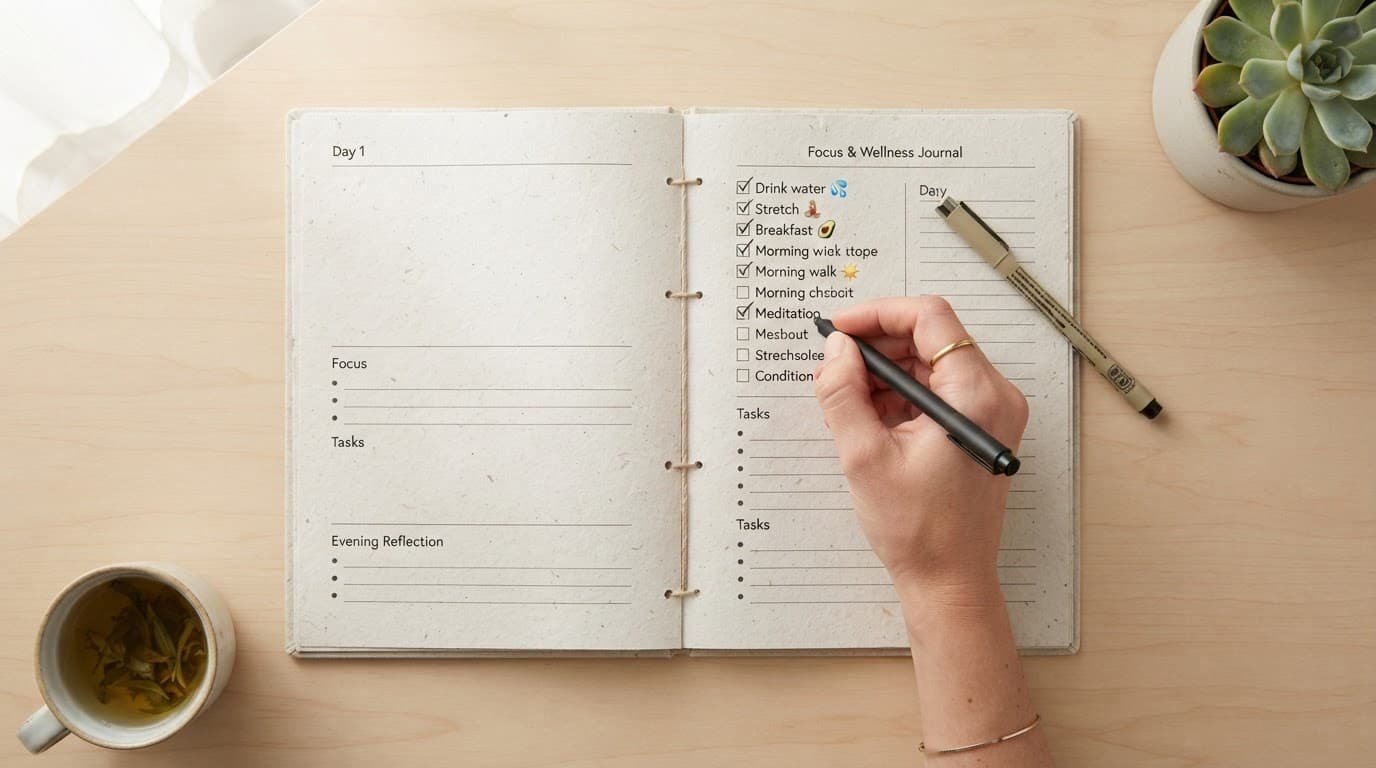
Sleep often affects the habits that seem unrelated to it. When you are exhausted, cooking, moving, and noticing fullness can take more effort. Add a brief wind-down cue to the tracker, such as charging your phone outside the bedroom or making tea 30 minutes before bed.
You don’t need a flawless nighttime routine. Begin with one change that makes sleep easier. Dim lights, set out tomorrow’s clothes, or write down one task for the next morning so it isn’t circling in your mind.
This week, plan for two likely obstacles. If work runs late, keep a quick dinner option ready. If bad weather blocks a walk, choose an indoor video or do two 5-minute movement breaks. These backup plans protect your routine when life doesn’t follow the schedule.
Research on health behavior change interventions shows why context matters. Willpower has a smaller role when your environment makes the preferred action easier.
Days 22 to 30: Review, refine, and keep the useful parts
During the final nine days, resist the urge to add five more goals. Instead, identify the habit with the lowest completion rate. Make it smaller, move it to a better time, or pair it with something you already do. Gentle tracking in a habit tracker app supports habit formation by helping you refine the routine without starting over.
For example, if 20-minute walks happened twice a week, try a 10-minute walk directly after lunch. If vegetables disappeared on busy nights, buy pre-cut options or add a bag of frozen vegetables to a favorite meal.
You can also choose one small stretch goal. Cook one extra meal at home, take a longer weekend walk, or add a strength session using bodyweight moves. Keep the daily minimum in place, because it carries you through demanding days.
At day 30, circle the daily habits that felt realistic. Those are the habits worth continuing next month.
Make Space for Weight Loss Without Rigid Rules
Healthy weight loss is usually gradual. Daily body weight can also shift because of fluid, digestion, hormones, sodium, and other normal factors. A single number cannot describe your health, effort, or progress toward long-term goals.
If you choose to weigh yourself, use the data calmly. Some people prefer a weekly check-in under similar conditions. Others find that measurements, clothing comfort, energy, strength, sleep, or walking endurance provide more helpful feedback. Syncing metrics with platforms like apple health can also support useful data analytics beyond weight alone.
Avoid turning the tracker into a restrictive diet plan. Skipping meals, banning favorite foods, or adding exercise as punishment can make habits harder to sustain. Instead, use the record to support physical wellness through regular meals, satisfying food choices, and movement you can keep doing.
For anyone with a history of disordered eating, intense food anxiety, pregnancy, or health conditions that affect weight, individualized support from a physician or registered dietitian is a safer starting point.
When the Tracker Feels Hard to Maintain
A missed mark can mean several things. Maybe the habit was too large. Maybe its cue was unreliable. Maybe you needed rest that day. Treat the information as useful, then make one adjustment.
If paper tracking feels difficult, digital productivity tools can help you apply simple task management techniques without adding pressure. A habit tracker app may also use light gamification, such as gentle reminders or visual progress, to make restarting feel easier.
Try these resets when a habit stalls:
- Reduce the action until it takes less than five minutes.
- Attach it to a dependable cue, such as breakfast or finishing work.
- Put needed items in sight, including walking shoes or washed fruit.
- Track completion, not intensity, for the next seven days.
- Restart on the next opportunity instead of waiting for Monday.
You can also use symbols that show partial completion. A dot might mean you did the smaller version, while a checkmark means you met the usual goal. This prevents all-or-nothing thinking and keeps the habit visible during a difficult week, helping you resume your habit streak without treating missed days as failure.
Keep the Habits That Fit Your Life
The strongest result of a 30-day healthy habits tracker is not a flawless page of checkmarks. It is learning which small actions make you feel steadier, fuller, more rested, or more capable, then using habit tracking as a personal habit builder for your daily habits.
Continue with three or four habits that worked, then reassess after another month. Adapt the system to fit your real-life routines so your progress can support your long-term goals, including busy mornings and missed days.
Your next checkmark is enough to restart the pattern.
Frequently Asked Questions
Should I track habits every day?
Daily tracking works well for many people because it keeps the action visible, whether you use a mobile app, a habit tracker app, or a simple paper checklist. However, you can track five days per week or use weekly goal tracking if daily marks feel stressful. Pick a rhythm you will actually maintain, and let habit tracking support your routine rather than create pressure.
What if I miss several days?
Resume with the smallest version of the habit at your next available cue. A mobile app can make it easier to restart reminders and review patterns, but you don’t need premium features to get back on track. Do not try to “make up” missed workouts or restrict food to compensate. Review what got in the way and adjust the plan.
Can this tracker help with weight loss?
It can support routines that often help with gradual weight management, including regular meals, movement, sleep, and awareness of hunger. Syncing with apple health or using interactive widgets may make habit tracking more convenient, while premium features can offer additional progress views and reminders. It cannot predict a specific weight-loss result, because bodies, health needs, medications, and circumstances differ.
Which habit should a beginner start with?
Choose the habit that feels easiest and has a clear cue. For many people, that is adding fruit to breakfast, taking a 5-minute walk after lunch, or refilling a water bottle in the morning. Start with basic tools before considering premium features, then build from there as your routine becomes more consistent.
Healthy Weight Loss in 2026: A Beginner’s Guide to Getting Started