The right choice depends on how your hair behaves when wet and dry, as well as whether you’ve recently colored, heat-styled, or chemically treated it. I’ll explain how to tell a protein treatment from a moisture treatment, choose the better option, avoid overuse, and build a balanced hair care routine. First, it helps to understand what each treatment does for your hair.
Key Takeaways
- I use a protein treatment for hair when strands feel weak, overly stretchy, or prone to hair breakage after chemical services or heat styling.
- Dry, rough hair often needs moisture first, while limp hair may need strengthening.
- Start with a gentle formula and follow it with a moisturizing conditioner, as recommended in this protein treatments for hair guide.
- Using protein too often can make hair stiff or brittle, so I adjust frequency based on how my hair responds.
Protein Treatment for Hair: Signs It Can Help
Choosing between protein and moisture starts with observing how your hair behaves, not guessing from one bad wash day. I look at both wet and dry strands, recent chemical services, heat use, and whether the problem improves after conditioning. Hair can show signs of weakness without needing a strong protein treatment right away.
How Damaged Hair Looks and Feels After Washing
Wet hair is naturally more fragile because water causes the strand to swell and makes it easier to stretch. Rough handling, tight brushing, or pulling through knots can increase breakage before your hair dries. For that reason, I treat a wet-hair check as a gentle observation, never a test that requires force.
Hair that may benefit from protein often feels gummy, overly stretchy, or unusually soft after shampooing. This can indicate reduced hair elasticity, especially when the strand stays stretched instead of returning to its usual shape. High porosity hair often shows this behavior because it can lose moisture and structural support more easily. Some pieces snap with light handling, while others tangle quickly and feel difficult to smooth. Damaged curls and waves may also lose their shape, look limp, or refuse to hold a style.
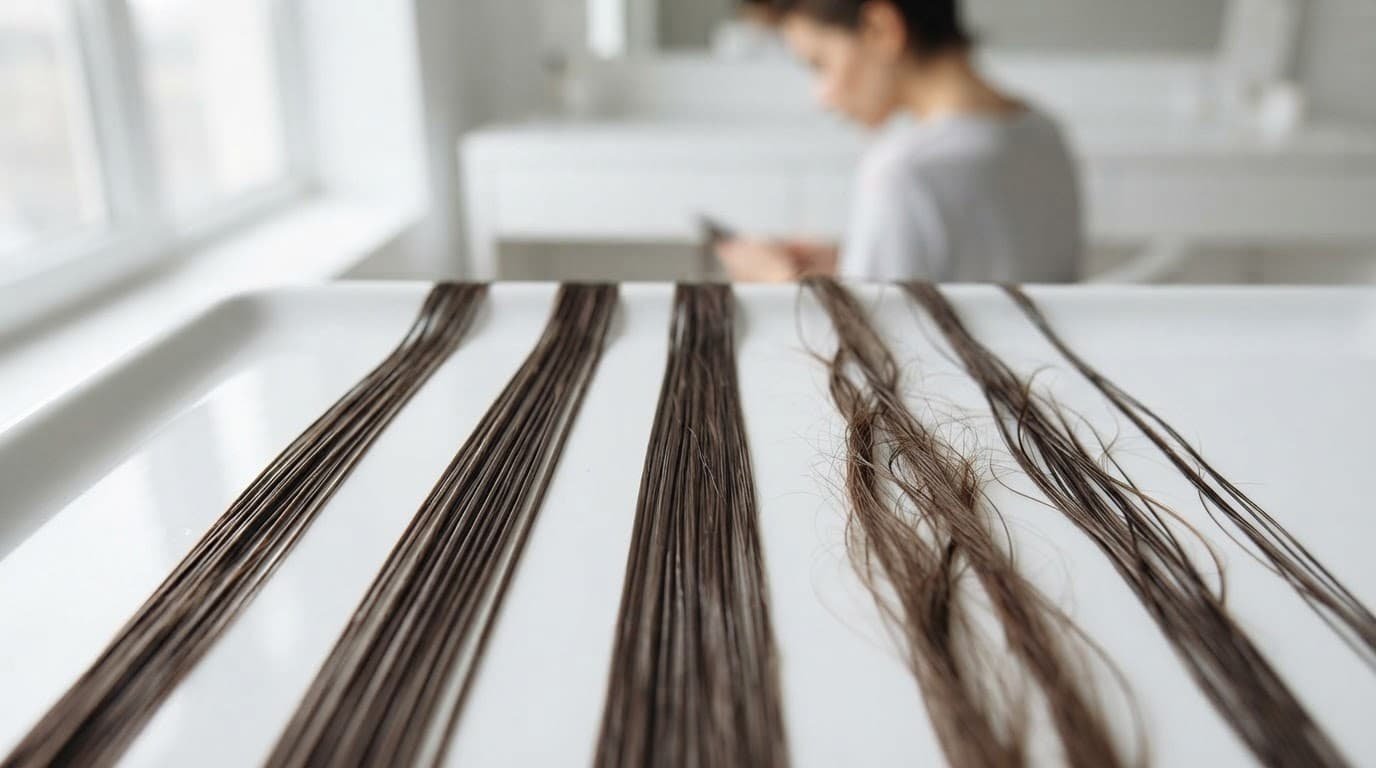
To observe your hair safely, I would first wash it gently and remove excess water with a towel. Then, I would notice how one clean, wet strand responds to light tension between my fingers. Healthy hair usually stretches a little and returns toward its original shape. Hair strands that stretch excessively, stay elongated, or break with minimal handling may need more support.
Still, a strand observation is not a medical or scientific diagnosis. Hair texture, porosity, product buildup, bleach, heat, and handling all affect the result. A single strand also cannot prove that your hair has lost protein. If your scalp hurts, your hair sheds suddenly, or breakage continues despite gentler care, speak with a dermatologist or qualified stylist.
When Dry, Rough Hair Needs Moisture Instead
Dry hair often tells a different story. After shampooing, it may feel stiff, coarse, brittle, frizzy, dull, or difficult to detangle. The strand does not always need more protein in this condition. It may need water, lubrication, and a better conditioning routine.
I reach for a moisturizing conditioner or mask when my hair feels rough but does not show excessive stretch or unusual weakness. Conditioning helps smooth and seal the hair cuticle on dry hair, improving softness and reducing friction. Look for humectants such as glycerin or aloe, emollients that soften the strand, and occlusive ingredients that help slow moisture loss. These ingredients work together, so the formula feels flexible rather than hard.
Oils can reduce friction, add shine, and seal the surface after conditioning. However, oil does not hydrate hair by itself. I use it as a finishing layer over damp, conditioned hair rather than as a replacement for water-based conditioner.
For natural hair, a consistent moisture routine can help protect against severe chemical damage and excessive dryness. If your hair feels soft but limp and stretches too far when wet, a mild protein product may make more sense. If it feels hard and rough after protein, pause that treatment and return to moisture until the texture improves. A balanced protein treatment hair routine should respond to what your strands are doing now, not follow a fixed schedule. Davines also outlines the difference between protein and moisture needs.
Choosing Between a Mild Conditioner, Mask, and Strong Reconstructor
The strongest protein treatment isn’t automatically the best choice. I match the product to my hair’s current condition, because a mild formula can improve slight weakness without leaving strands stiff or brittle.

An everyday conditioner is my starting point when hair feels slightly dry, tangled, or rough but still holds its shape. It mainly adds slip and softness, so I use it after regular shampooing. A weekly deep conditioning mask gives more moisture and conditioning time. I choose a nourishing hair mask when hair feels dehydrated, frizzy, or difficult to detangle, especially when I want to smooth split ends after frequent washing, swimming, or heat styling.
Rinse-out protein treatments sit between everyday care and intensive repair. I consider one when my hair still feels overly stretchy, limp, or weak after I have added enough moisture. Formulas with hydrolyzed protein and keratin protein can move toward the hair cortex, where they help support weakened strands. These products provide support without the intensity of a salon reconstructor, making them a practical choice for occasional use at home.
A strong reconstructor is better suited to significant chemical damage, such as severe bleach-related weakness, repeated chemical processing, or ongoing breakage. Concentrated keratin protein can help reinforce the hair cortex when damage is severe, but I don’t use one simply because my hair feels dry. Strong protein on moisture-starved hair can make the texture feel harder and rougher.
Product strength should match the problem, not your impatience. A stronger formula may create more stiffness when your hair actually needs moisture.
How Often to Alternate Protein and Moisture Treatments
I usually begin with moisture. After shampooing, I apply a moisturizing conditioner or hair mask and handle the hair gently while it is wet. If my strands feel softer, less tangled, and more flexible afterward, I continue with moisture-focused care instead of adding protein.
When weakness remains, I add a mild protein treatment at the next suitable wash. Then I follow it with a moisturizing conditioner, because protein and moisture work best as partners rather than competing routines. After one or two washes, I reassess the result:
- If hair feels stronger and flexible, I return to regular conditioning.
- If it remains stretchy or breaks easily, I may repeat the mild protein treatment.
- If it feels hard, rough, or straw-like, I pause protein and use moisture.
- If breakage continues, I reduce heat and chemical stress and seek advice from a stylist or dermatologist.
Someone who bleaches, swims, uses hot tools often, or washes daily may need more frequent conditioning and occasional protein support. However, those factors don’t create a universal calendar. I adjust based on texture, elasticity, tangling, and breakage. A moisture and protein balance guide can provide another practical way to compare treatment timing.
Signs of Protein Overload and Moisture Overload
Even when I choose the right treatment, repeated use can push my hair too far. Protein overload usually leaves strands hard, rough, straw-like, tangled, or less flexible. Moisture overload tends to make hair feel limp, mushy, overly soft, or unable to hold its shape.

### Recognizing Protein and Moisture Overload
Protein overload often appears after using several strengthening products close together. Your shampoo, conditioner, mask, leave-in conditioner, or styling cream may all contain hydrolyzed proteins, keratin, collagen, silk amino acids, wheat protein, or rice protein. Excessive amino acids and other strengthening ingredients can accumulate along the hair shaft, making hair stiff even when it was originally weak.
I look for a noticeable change after treatment. If my hair feels dry, brittle, rough, or difficult to detangle, I pause protein products. Hair may also lose flexibility, snap more easily, or feel coated with a rigid layer. These signs overlap with common descriptions of protein overload symptoms, but they don’t prove protein is the only cause.
Moisture overload can develop when I use rich masks, conditioners, and leave-in products without enough cleansing or strengthening support. The hair may feel unusually soft when wet, almost mushy between my fingers. Once dry, it can look limp, lose curl or wave definition, and fail to hold a style. Tangling and weak-feeling strands can occur too.
These symptoms can also come from product buildup, humidity, hard water, weather changes, bleach, or heat damage. Therefore, I change one variable at a time. I might stop the protein mask first, use a simple moisturizing conditioner, and observe my hair for several washes. If the hair feels coated, I may clarify according to the product directions before changing anything else.
A treatment reaction is useful information, but it is not a diagnosis. Hair can feel stiff or limp for several reasons, so I avoid adding more products to correct a problem I haven’t identified.
When Home Treatments Are Not Enough
A protein treatment can support the hair shaft, but it cannot treat a scalp disorder, nutritional issue, hormonal change, infection, or other medical condition. I contact a licensed hairstylist when breakage, dryness, or texture changes continue despite gentle washing, careful detangling, reduced heat, and a balanced routine.
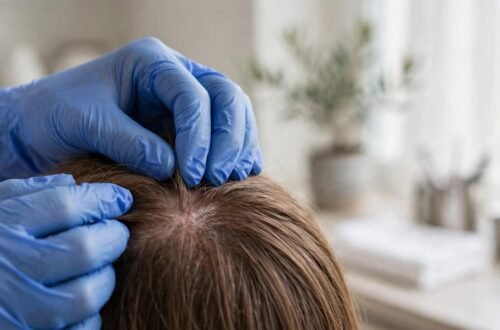
I seek medical advice from a dermatologist for sudden major shedding, bald patches, persistent itching, scalp pain, sores, or inflammation. Severe breakage close to the roots also deserves professional attention, especially when it appears quickly or affects one area more than another.
Don’t keep switching between protein and moisture products if your hair continues to worsen. A stylist can assess chemical damage and help protect hair shaft integrity, but restoring true hair strength takes time. Supporting overall hair health also means addressing habits that may continue damaging the strands. A dermatologist can examine the scalp and investigate possible underlying causes, ensuring a protein treatment routine doesn’t delay needed care.
Frequently Asked Questions
Protein treatments can help damaged hair, but the best choice depends on how your strands respond. I use softness, flexibility, strength, and breakage to assess protein treatment hair needs. The best protein treatments for hair should improve resilience without leaving strands stiff.

### Can Hair Need Protein and Moisture at the Same Time?
Yes. Damaged hair can be weak, dry, and porous at once, especially after bleaching, coloring, frequent heat styling, or chemical processing. Protein may improve the strand’s support, while moisture helps restore softness and hair elasticity.
I usually avoid applying several intense products during the same wash. Instead, I might use protein on one wash day and a moisturizing mask on the next. A deep conditioning mask or balanced hair mask can also help when the hair needs both types of care.
After treatment, I assess the result instead of trusting the word “repair” on the package. Hair that feels stronger but still soft and flexible is responding well. If it becomes stiff, rough, or brittle, I pause protein and focus on moisture. If it stays limp, overly stretchy, or fragile, it may need occasional strengthening support.
Does Protein Treatment Make Hair Grow Faster?
No. Protein does not speed up hair growth from the scalp. Growth happens at the follicle, while a protein treatment mainly affects the existing hair shaft.
However, stronger-feeling strands may break less along the length. That can help you retain more of the growth you already have, which may make your hair appear to grow faster over time. Reducing hair breakage and protecting split ends can support length retention. I still handle wet hair gently, reduce high heat, and protect fragile ends because those habits often matter more than adding another treatment.
Are Protein Treatments Safe for Curly Hair?
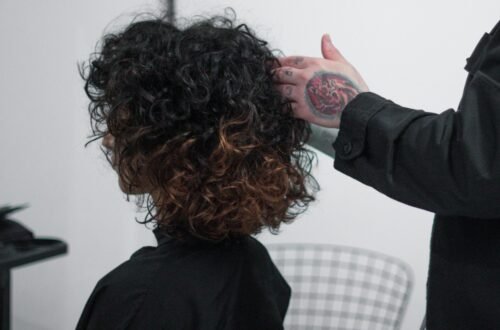
Curly hair can benefit from occasional protein, especially after bleach, color, heat, relaxers, or other chemical processing. Damaged curly hair may lose strength and curl definition. A mild keratin protein treatment may provide useful support.
For curly hair, I recommend starting with a gentle formula and following it with a moisturizing conditioner. Keratin protein can improve hair texture and help restore pattern definition when weakened strands need support. If keratin protein leaves curls stiff, rough, or less flexible, pause use and return to moisture-focused care. Product strength and frequency should match curly hair’s condition, not only its curl pattern. For more guidance, see this curly hair protein treatment guide.
Can a Deep Conditioner Replace a Protein Treatment?
A deep conditioner can improve softness, slip, and flexibility, but it may not provide the same strengthening support as hydrolyzed proteins or amino acids. I use a moisturizing hair mask when my hair feels dry, rough, tangled, or difficult to manage.
Some formulas combine moisturizing ingredients with proteins, so the ingredient list matters. My hair’s response matters just as much. If conditioning improves softness but the strands remain overly stretchy or break easily, I may need a separate, mild protein treatment.
Should Protein Be Used Before or After Coloring Hair?
Timing depends on the product and the coloring service. I follow the manufacturer’s directions or my stylist’s instructions because some treatments work better before a service, while others belong afterward.
I avoid introducing several new treatments at once because I can’t tell which product caused a reaction. If hair is severely damaged, breaks easily, or feels gummy, I discuss it with a stylist before coloring or lightening. Further chemical stress may worsen breakage, even when the hair also needs protein.
How Long Does a Protein Treatment Last?
Results are temporary and may last through several washes. Product strength, hair porosity, washing habits, and the level of damage all affect how long the improvement remains noticeable. High porosity hair may lose conditioning and strengthening benefits more quickly.
Repeated use is not automatically better. I keep results more consistent with gentle cleansing, careful detangling, heat protection, and regular conditioning. When hair feels flexible and manageable again, I wait until it shows signs of weakness before using another protein treatment for hair.
Conclusion
Choosing the right hair protein treatment depends on your current strand needs: protein supports hair that feels weak, overly stretchy, or damaged, while moisture helps dry, stiff, rough, or brittle strands feel softer and more flexible. In my experience, the best routine may include both, used at different times and adjusted according to how your hair feels after washing.
I recommend starting gently, changing one product at a time, and following the treatment directions for a balanced, consistent hair care routine. If your hair keeps breaking or you notice scalp pain, itching, sores, or sudden shedding, seek advice from a stylist or dermatologist.