Scalp bumps can look similar, but they don’t always need the same treatment. Effective scalp folliculitis treatment depends on whether bacteria, yeast, irritation, or another scalp condition is involved.
If you have an itchy scalp, tenderness, or pus-filled pustules, start with gentle care rather than several new products. These symptoms don’t confirm folliculitis or its cause. Mild symptoms may improve with simple adjustments, while persistent pain, worsening inflammation, or hair loss needs medical assessment.
First, check the symptoms that can guide your next step.
Key Takeaways
- Scalp folliculitis involves inflamed hair follicles, but appearance alone doesn’t confirm the cause.
- Antifungal shampoos may help yeast-related symptoms, but they don’t replace treatment for bacterial folliculitis or scarring scalp disease.
- Use one appropriate product at a time, follow its current label, and seek care for worsening symptoms, painful swelling, or patchy hair loss.
What Your Scalp Bumps May Mean
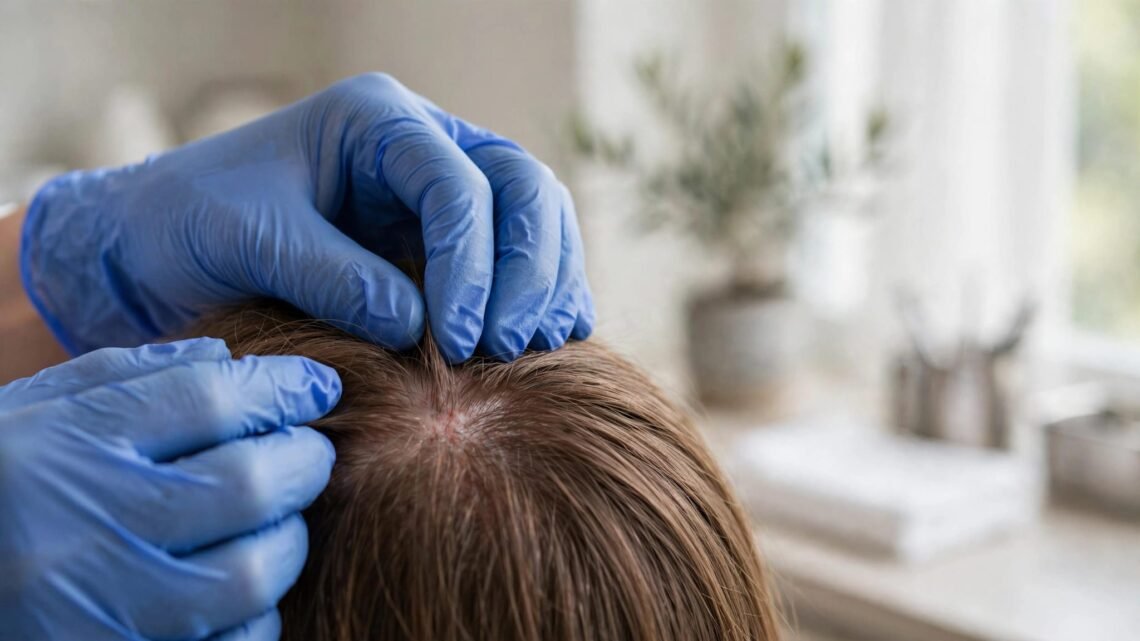
Folliculitis can cause small bumps around hair follicles, itching, tenderness, and pus-filled pustules. The American Academy of Dermatology explains that folliculitis can resemble acne, so treating every bump as an ordinary pimple can miss the underlying problem.
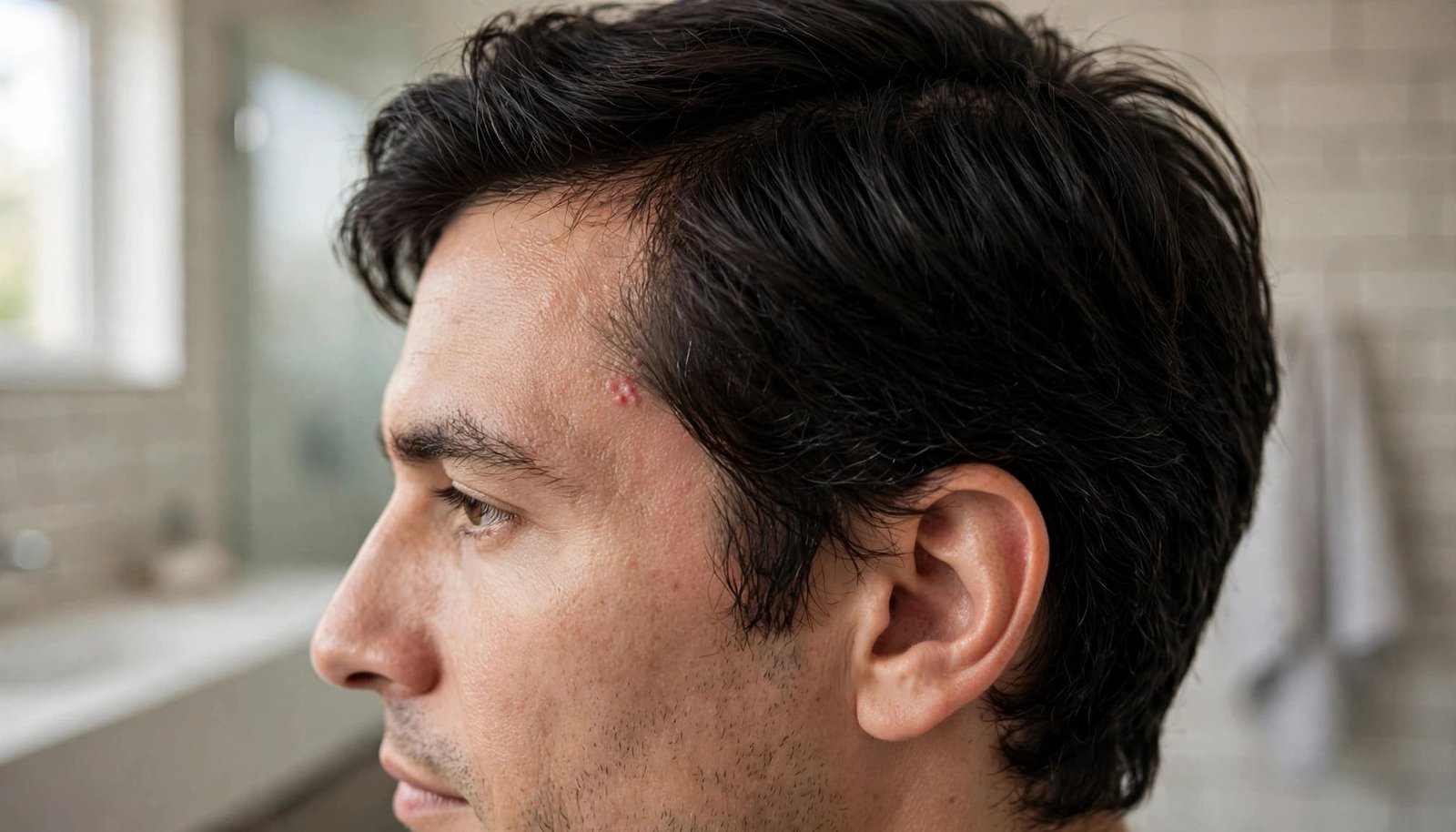
Illustrative image, not a clinical photograph or diagnostic reference.
Bacterial and yeast-related folliculitis
Bacterial folliculitis can involve Staphylococcus aureus. Yeast-related folliculitis can involve Malassezia, a yeast that normally lives on skin.
Malassezia folliculitis, a form of fungal folliculitis, often causes similar-looking itchy bumps and pustules. It can affect the hairline, forehead, and nearby areas. Still, itch, pus, or bump location can’t reliably identify the cause.
This distinction matters because antibiotics treat bacteria, while antifungal treatments target yeast. If treatment for bacterial folliculitis repeatedly fails, reassess the cause rather than assuming you need a stronger version.
Dandruff and other scalp conditions
Seborrheic dermatitis commonly causes flaking and inflammation, sometimes involving the eyebrows and ears. It can occur alongside follicular bumps, but the two conditions aren’t interchangeable.
Burning after using a new dye or styling product may point to irritation or contact dermatitis. Thick, persistent patches may need assessment for psoriasis. BuzziHealth’s guide to scalp psoriasis treatment options describes care for that different condition.
Record when symptoms began, where they appear, and whether you have broken hairs or thinning patches. These details help a clinician evaluate the complete picture.
Gentle At-Home Care During a Flare
Home care can reduce discomfort and unnecessary irritation. It doesn’t establish a diagnosis or replace medical treatment for a significant infection.
Wash gently and protect your hair
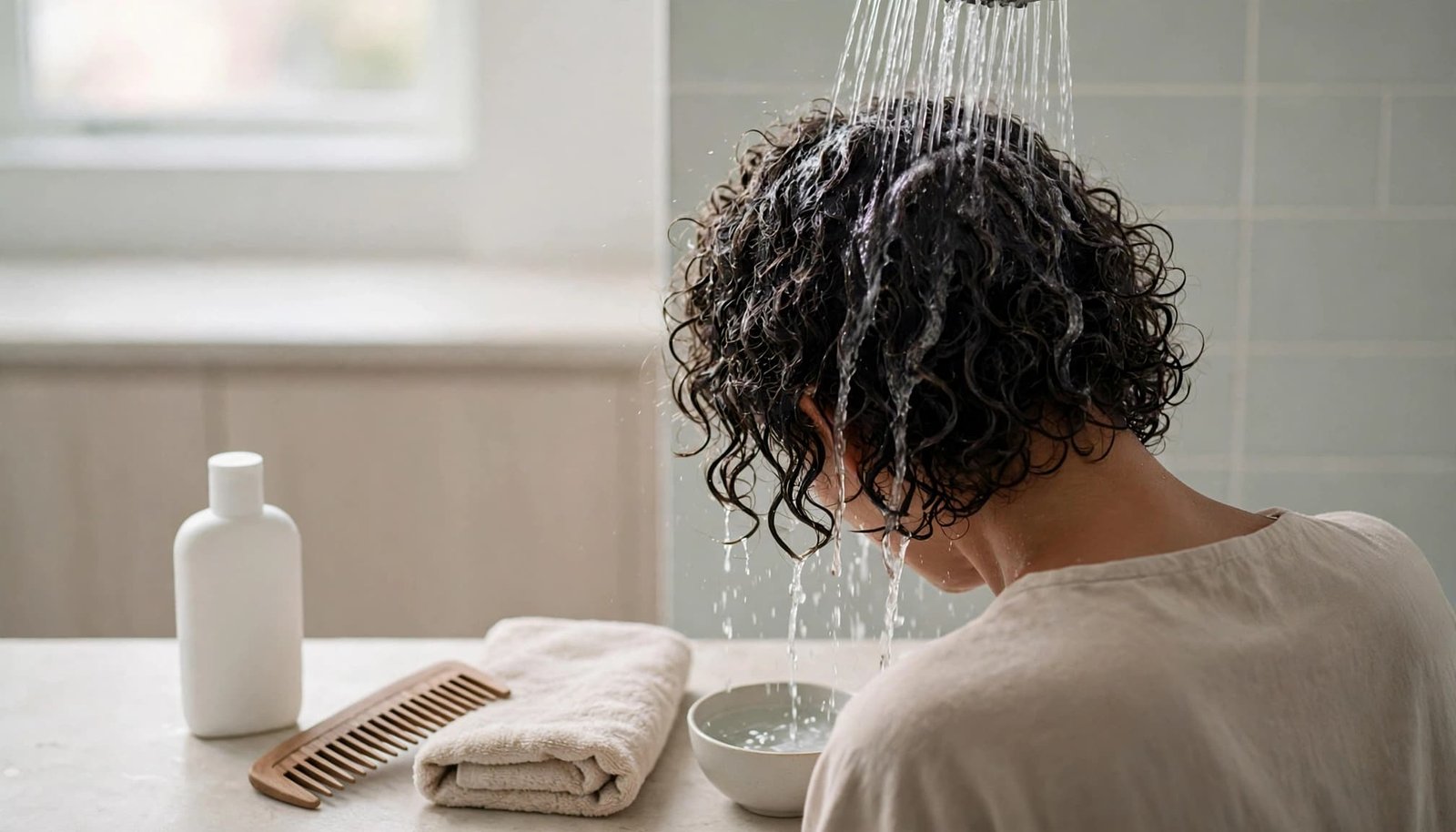
Use lukewarm water and a shampoo your scalp tolerates. Massage with your fingertips, not your nails. Rinse thoroughly, and don’t scrub at attached crusts.
Daily washing may suit some oily scalps, but daily medicated shampoo isn’t right for everyone. Curly and tightly coiled hair may need a schedule that also limits dryness.
With braids or other protective styles, cleanse accessible parts of your scalp and rinse completely. Consider adjusting the style if it prevents adequate cleansing. Keep conditioner mainly on the lengths and ends unless its directions say otherwise.
Use simple comfort measures
Warm compresses may ease discomfort in a sore area, but they don’t diagnose or treat the underlying cause. Use a clean, comfortably warm, moist washcloth, and don’t squeeze the bump afterward.
If a medicated shampoo is appropriate, follow its instructions for scalp contact time and rinsing. The AAD’s dandruff shampoo guidance explains that directions vary between products.
BuzziHealth’s practical dandruff shampoo routine also covers application and protecting hair lengths. These routines address dandruff-related symptoms, not every cause of scalp pustules.
Scalp Products You Can Search for on Amazon
This post may contain affiliate links. If you make a purchase through these links, I may earn a small commission at no extra cost to you.
Search using the complete product name and compare the current package. These are recognizable options, not endorsements or guarantees of availability or suitability.
| Product or search term | Ingredient or type | Practical role |
|---|---|---|
| Nizoral A-D Anti-Dandruff Shampoo (ketoconazole shampoo, 1%) | Ketoconazole 1% | Antifungal option for dandruff-related itching and flaking |
| Head & Shoulders Classic Clean | Pyrithione zinc 1% | Antifungal dandruff-control option |
| Selenium sulfide dandruff shampoo | Strength varies | Another yeast-targeting dandruff option |
| Vanicream Shampoo | Non-medicated shampoo | Supporting cleansing option between treatment washes |
| Salicylic acid scalp shampoo | Salicylic acid; strength varies | Helps loosen attached scale rather than directly treating yeast |
The active ingredient matters more than the brand name. Products within one brand can have different formulas, concentrations, fragrances, and instructions. A higher concentration isn’t automatically a better choice.
Ketoconazole shampoo and selenium sulfide may help with yeast-related or dandruff symptoms, but dandruff products aren’t interchangeable with treatments for bacterial folliculitis. Vanicream is a cleansing option, not an infection treatment.
Ask a clinician or pharmacist before using medicated products on children, during pregnancy, or on irritated or broken skin.
Nizoral A-D’s label directs use every three to four days for up to eight weeks. Verify the current age restrictions and warnings. That dandruff schedule isn’t a reason to delay assessment of painful or worsening bumps.
What to Avoid While Your Scalp Is Sore
Don’t pick pustules, squeeze bumps, or scrape crusts. These actions can increase irritation and damage your skin.
Avoid starting several medicated shampoos, a scalp exfoliant, and a leave-in treatment at once. If burning or redness develops, it can be hard to tell which product caused it. Introduce one appropriate product at a time.
Essential oils, harsh scrubs, and stronger cleansers aren’t necessary starting treatments. Don’t leave a rinse-out shampoo on your scalp unless the label directs you to.
Don’t use leftover antibiotics or someone else’s prescription. Avoid applying topical steroids to a suspected infection without professional guidance.
If a product causes burning or a spreading rash, stop using it. Increasing contact time or adding extra applications can worsen irritation rather than improve control.
When Scalp Folliculitis Treatment Needs a Clinician
Persistent or recurring bumps deserve a diagnosis, especially when correctly used over-the-counter care hasn’t helped. Board-certified dermatologists can assess ongoing symptoms, and you don’t need to exhaust every shampoo before arranging an appointment.
How the underlying cause is checked
A clinician usually starts with your history and a scalp examination. Bring the names of products and medicines you’ve tried, including how often you used them.
A pustule may be swabbed for bacterial culture. Suspected yeast-related folliculitis may be assessed by examining skin material under a microscope.
A skin biopsy may be needed when the diagnosis remains uncertain, treatment doesn’t work, or scarring disease is suspected. Some scarring conditions can cause permanent hair loss.
Mayo Clinic’s folliculitis diagnosis and treatment guidance describes these testing options. Testing is useful when symptoms keep returning, rather than repeatedly treating an unconfirmed cause.
Prescription treatment depends on the diagnosis
For bacterial folliculitis, a clinician may consider topical antibiotics such as clindamycin, depending on the diagnosis and severity. Oral antibiotics aren’t routine for uncomplicated cases, but may be considered for severe or recurrent infection.
Yeast-related disease needs antifungal treatment instead. Depending on the diagnosis and severity, that may involve topical treatment or a prescription oral antifungal.
An inflammatory scalp condition may need a different treatment plan. Follow the prescribed course and ask when to report incomplete improvement. Avoid extending or repeating treatment yourself.
Warning Signs That Need Prompt Medical Attention
Don’t continue an extended shampoo trial when symptoms are worsening. Mayo Clinic’s folliculitis symptoms guidance distinguishes mild symptoms from more serious disease.
Painful swelling and urgent symptoms
Arrange prompt assessment for painful swelling, open sores, bleeding, or substantial pus, particularly when symptoms are worsening. A painful scalp with fever needs urgent medical advice.
Facial swelling or difficulty breathing after using a product requires emergency care. Stop using the suspected product and seek help rather than waiting for another wash to remove it.
Recurring inflammation on your face or ears also deserves evaluation. A scalp shampoo may not address the full problem. Tell the clinician about these areas, even if your scalp is the main concern.
Hair loss and possible scarring
Most superficial folliculitis doesn’t cause permanent hair loss. However, uncommon deeper or chronic scalp conditions can damage hair follicles and lead to permanent hair loss.
One example is folliculitis decalvans, a condition Cleveland Clinic describes as associated with scarring and patchy hair loss. It needs professional management rather than a dandruff-only routine.
Seek prompt dermatology assessment for new bald patches, broken hairs, or persistent tender areas, as these can indicate hair loss risk. Don’t assume thinning is simply a cosmetic problem. Early assessment can identify whether the follicles are at risk.Protein Treatment for Fine Hair: A Simple Breakage Routine
Frequently Asked Questions
Why haven’t antibiotics cleared my scalp bumps?
Antibiotics won’t treat Malassezia yeast or resolve every inflammatory scalp condition. Persistent symptoms can also mean the original diagnosis needs review or the treatment needs adjustment.
Tell your clinician which antibiotic you used, whether symptoms changed, and whether they returned after treatment. Ask whether a culture or another test would help before repeating the same approach.
Don’t stop, extend, or replace a prescribed course without advice. Repeated treatment based only on appearance can delay a more useful diagnosis.
How long should I keep trying home care?
There isn’t one treatment timeline for every cause of scalp bumps. Follow the product’s label, but contact a clinician if symptoms remain troublesome despite correct use. Seek help sooner for worsening symptoms or warning signs.
Track itching, soreness, new bumps, and irritation, rather than flakes alone. If itch interrupts sleep or affects your daily routine, mention that too. You don’t need to wait for severe visible changes before discussing symptoms that are difficult to manage.
Choose the Next Step Based on the Cause
Similar-looking scalp bumps can have different causes, so treatment depends on what’s behind them. Gentle washing and one appropriate product are a sensible starting point for mild symptoms, but they don’t replace a diagnosis.
Let persistent symptoms and warning signs guide your next step, rather than buying progressively stronger shampoos. New or persistent hair loss warrants assessment, as some causes can lead to permanent hair loss.