During the fall season, pumpkin desserts can be as quick as a yogurt bowl or as familiar as freshly baked pie. These pumpkin dessert recipes use plain pumpkin for moisture and mild flavor, without complicated ingredients.
For healthier treats, consider the whole recipe, including its sweetness, texture, and how satisfying each serving feels. Careful measuring matters more in baking than adding extra pumpkin, while no-bake bowls leave more room to adjust ingredients to taste. Start with a dessert that fits your day, then choose ingredients and a preparation method that help it turn out reliably.
This post may contain affiliate links. If you make a purchase through these links, I may earn a small commission at no extra cost to you.
Key Takeaways
- Choose plain puree for pumpkin recipes that call for it; in pumpkin pie, sweetened pie filling changes the flavor and ingredient ratios.
- Pumpkin desserts can fit breakfast, snacks, or special occasions, with portions and toppings that suit your appetite.
- Yogurt, fruit, nuts, and suitable whole-grain ingredients can make pumpkin desserts more satisfying.
- Measure baked ingredients accurately, avoid untested substitutions, and follow the recipe’s doneness cues.
- Refrigerate perishable desserts promptly and freeze extra puree in measured portions to reduce waste.
Pumpkin Desserts for Breakfast, Snacks, and Special Treats
Choose pumpkin dessert recipes based on your available time and the texture you enjoy.
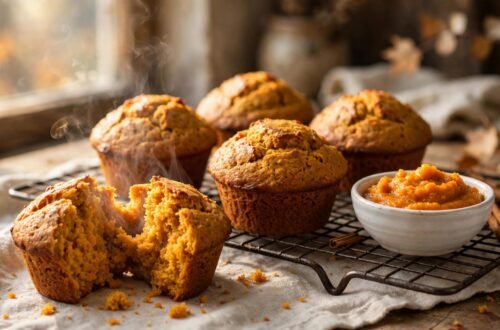
Choose pumpkin muffins for an easy make-ahead snack
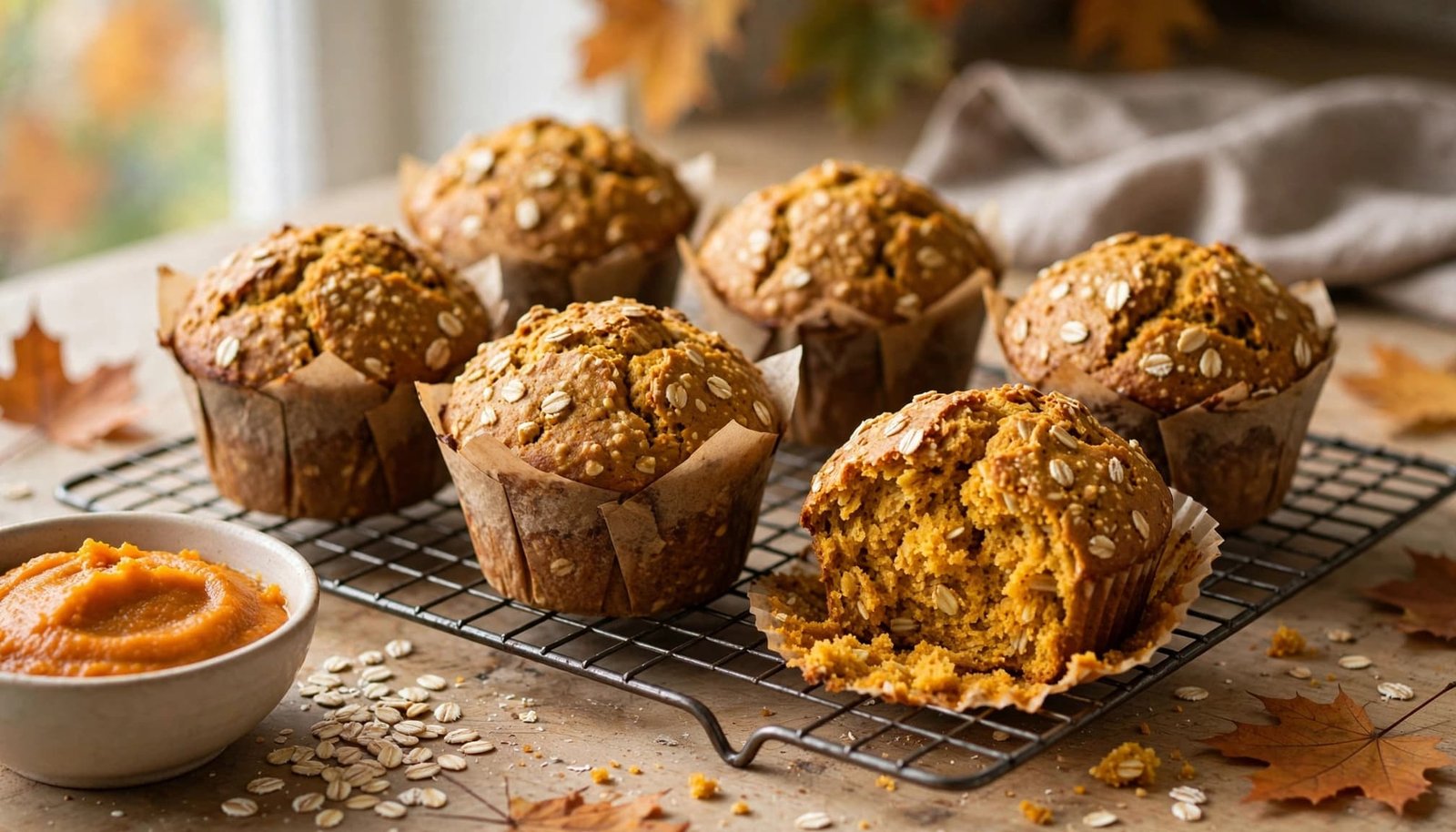
Look for a tested muffin recipe using plain puree, oats or whole-wheat flour, yogurt, egg, and modest sugar. Weigh ingredients when weights are provided; otherwise, measure as directed.
Combine wet and dry mixtures only until no dry patches remain. Bake at the stated temperature, check the recipe’s doneness cues, and transfer muffins to a rack. Serve with fruit or yogurt for a more substantial snack.
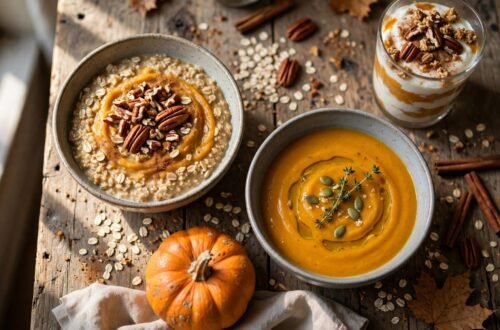
Try a quick pumpkin yogurt bowl when you want no-bake dessert
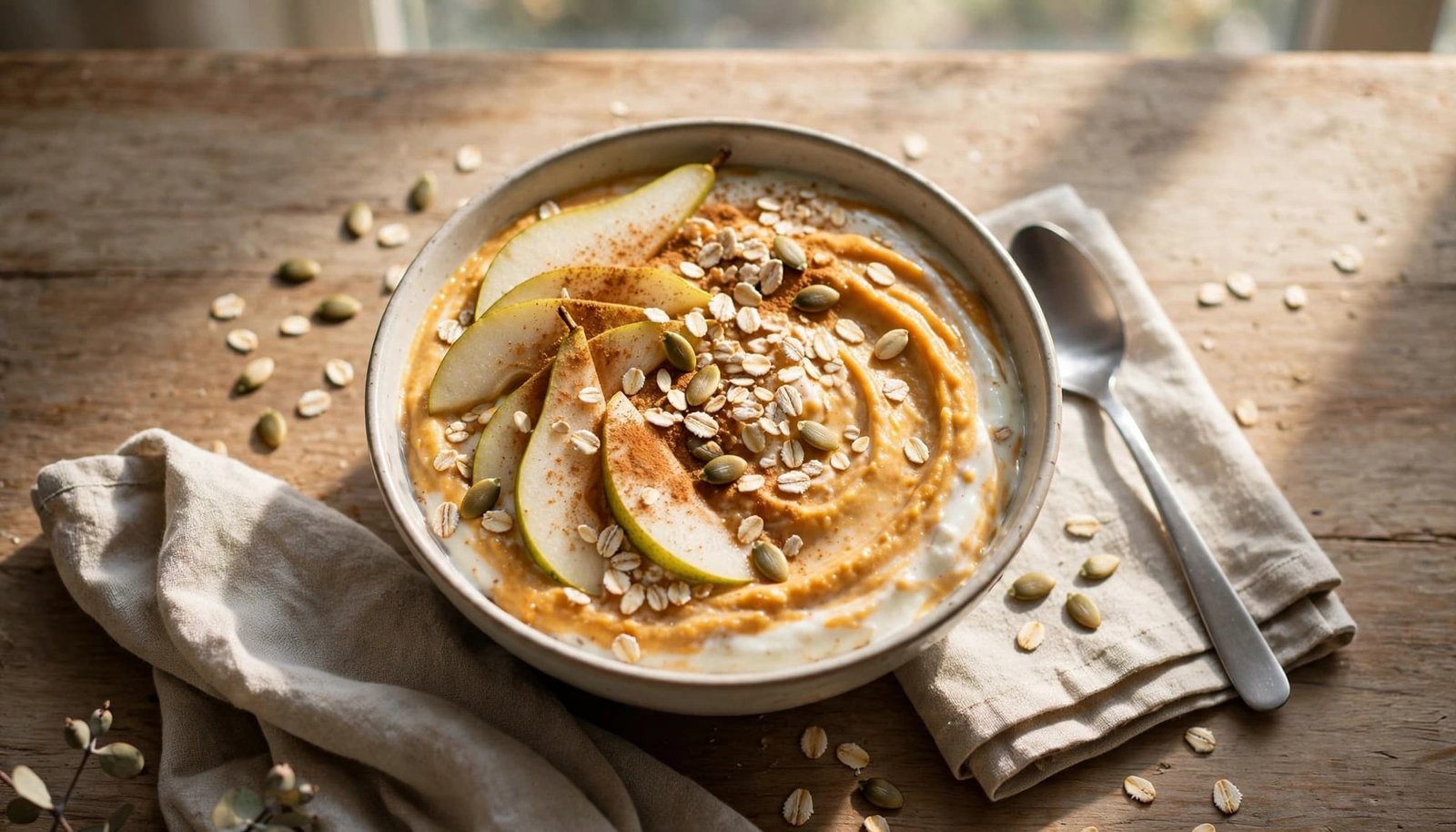
Stir 1/4 cup puree into 3/4 cup plain yogurt, then add cinnamon and diced pear or berries. Taste before adding a little maple syrup.
Nuts, seeds, or oats add contrasting texture. Add crunchy toppings just before eating so they don’t soften. Plant-based yogurt also works, although protein amounts vary by product. These flexible bowls need no oven and take only a few minutes to assemble.
Save pie, cookies, and cake for a more classic treat
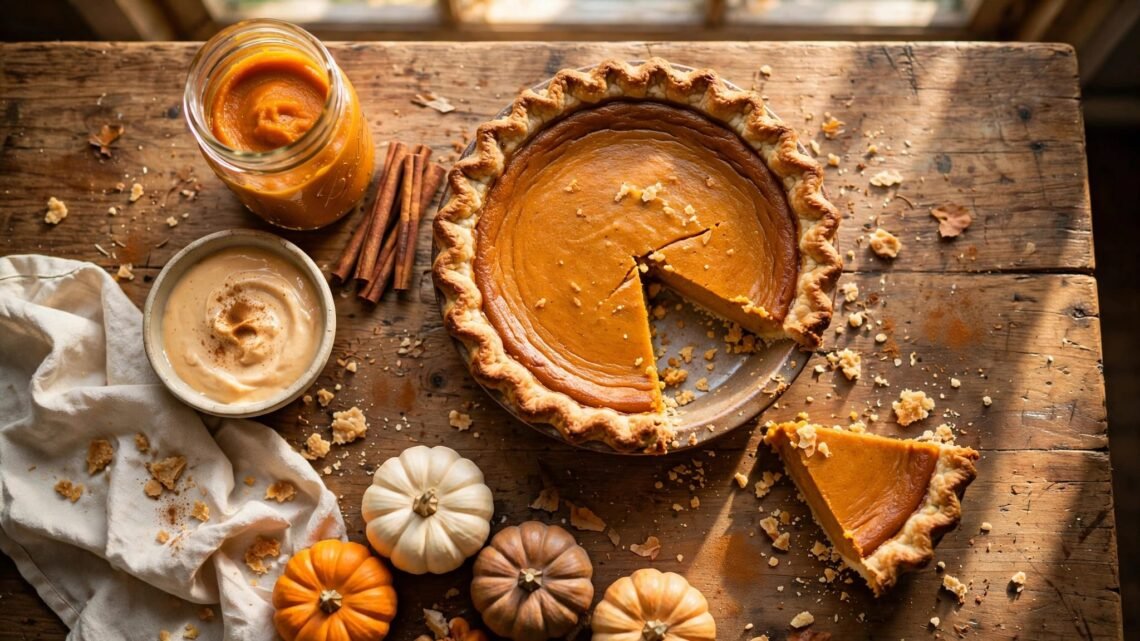
Pumpkin pie, pumpkin cookies, pumpkin bread, cake, pumpkin bars, and pumpkin cheesecake each need different ingredient ratios. Choose a recipe designed for the dessert you want instead of adapting muffin batter. Some tested cookie recipes use brown butter for a nuttier flavor, but it isn’t needed for every recipe.
Keep crust preparation and chilling instructions intact. Choose portions and toppings that suit the occasion, whether served alone or alongside other thanksgiving recipes. Cream cheese frosting or whipped cream can be enjoyable additions, but neither is required.
Build Better Pumpkin Recipes With Simple Ingredient Choices
A balanced dessert depends on the complete combination of ingredients. Pumpkin adds flavor and moisture, but it doesn’t automatically make a dessert balanced.
Choose plain puree for pumpkin recipes
Plain canned pumpkin is convenient and usually has a consistent texture. Check the ingredient list before buying, since pie filling often already contains sweetener and spices.
Use plain puree when a recipe calls for it. This lets you control the seasoning without accidentally adding sugar twice.
Some products may include certain varieties of squash, as the FDA’s pumpkin labeling guidance explains. That doesn’t make them pie filling; added ingredients are the distinction to check.
Homemade pumpkin puree from a small cooking pumpkin or mild squash also works, although its water content can vary.
Add flavor and staying power without overcomplicating dessert
Cinnamon, ginger, nutmeg, and pumpkin spice complement pumpkin’s mild flavor. Add spices gradually in no-bake pumpkin recipes, since you can taste and adjust immediately.
For a more substantial serving, pair a sweet treat with plain yogurt or fruit when that fits your meal. Oats and whole-wheat flour add whole grains in recipes designed to use them. However, they aren’t automatic one-to-one substitutes for other flours.
BuzziHealth’s fiber-rich foods and meal ideas offer more options for everyday pairings.
Choose a sweetness level you enjoy instead of removing large amounts of sugar afterward. Personal preference and reasonable portions are more useful than rigid dessert rules.
Roast Pumpkin for Homemade Dessert Puree
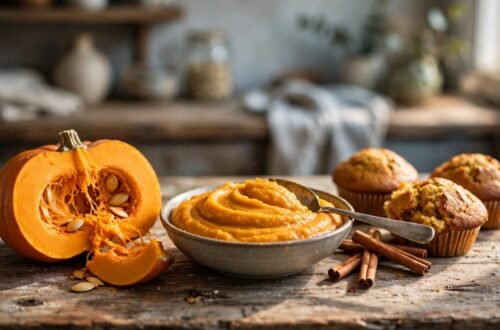
Canned pumpkin is the easiest starting point, but fresh pumpkin or an appropriate winter squash works well for homemade pumpkin puree. Choose a small sugar pumpkin or another cooking variety; some winter squash also work, while large carving pumpkins may not have the right texture.
To prepare puree for pumpkin recipes:
- Heat the oven to 400°F. Halve the pumpkin carefully and remove its pumpkin seeds and stringy center.
- Place the halves cut-side down on a baking sheet. Roast until the flesh is fork-tender, usually about 40 to 60 minutes, depending on size.
- Let the pumpkin cool enough to handle. Scoop out the roasted pumpkin flesh and blend until smooth.
- Check the consistency before measuring. If liquid collects around the puree, drain it when your baking recipe needs a thicker ingredient.
Use tenderness as the main cooking cue. A larger or thicker pumpkin may need more time than a smaller one.
Avoid adding water just to help the blender run unless your intended recipe can accommodate it. Extra liquid matters much more in cookies or muffins than in a yogurt bowl.
For a larger batch, Michigan State University’s pumpkin preservation guidance supports freezing cooked pumpkin and winter squash in freezer-safe containers.
BuzziHealth’s pumpkin recipes for everyday meals include ways to use leftover puree in a pumpkin dinner, such as savory pumpkin recipes like pumpkin soup, pumpkin risotto, or pumpkin pasta.
Get the Texture Right and Store Pumpkin Desserts Safely
Pumpkin moisture varies, and baking ratios matter in pumpkin recipes. Tested recipes give you a more dependable starting point than improvised ingredient swaps.
Prevent soggy muffins and dense baked goods
Measure puree exactly as written. For flour, use the recipe’s weights when available, or spoon it into the measuring cup and level it without packing.
Watery homemade or thawed puree may need draining before baking. Extra puree doesn’t replace the structure provided by eggs or the tenderness contributed by fat.
Sugar also affects tenderness and browning, so large reductions can change results. Choose pumpkin recipes developed with less sugar rather than heavily modifying another formula.
A toothpick should show the recipe’s expected crumbs or cleanliness, not wet batter. A browned top alone doesn’t confirm that the center is baked.
Cool muffins on a rack and follow cooling instructions before covering. Trapped steam can soften their surfaces.
Keep leftovers fresh and freeze extra puree
Refrigerate perishable cooked desserts promptly in covered containers. Keep pumpkin cheesecake, custard-style pumpkin pie, and pumpkin bars topped with cream cheese frosting refrigerated.
The USDA’s leftover storage guidance recommends using refrigerated leftovers within three to four days. Follow shorter recipe or package limits when provided, and keep the refrigerator at 40°F or below.
Freeze extra puree in useful amounts, such as 1/4 or 1/2 cup. Label containers with the date and amount, and leave room for expansion.
Iowa State University’s pumpkin preservation advice recommends freezing to preserve pumpkin and winter squash. Thaw puree in the refrigerator, then stir it because liquid may separate. The same thaw-and-stir approach works for frozen winter squash puree. Drain excess water when future pumpkin recipes require thick puree.
Frequently Asked Questions
Can I use pumpkin pie filling instead of pumpkin puree?
Pumpkin pie filling is often already sweetened and seasoned, so it isn’t a direct substitute for plain puree. Even if you reduce added sugar, the filling’s other ingredients may change the result. Plain puree is the more dependable choice unless your pumpkin recipe calls for pie filling.
Can pumpkin desserts be made dairy-free or egg-free?
Yes, no-bake bowls can use suitable plant-based yogurt, and some pumpkin recipes are developed without dairy or eggs. For baking, choose a tested dairy-free or egg-free version because replacements depend on the ingredient’s role. Also check toppings, crusts, and chocolate chips when you need the entire dessert to exclude an ingredient.
Why are my pumpkin baked goods wet in the middle?
Excess puree, uneven measuring, or insufficient baking can leave the center wet. Check the recipe’s doneness cues before removing the pan, and drain watery puree when appropriate. If the problem persists despite accurate measurements, verify the oven temperature with an oven thermometer and use the specified pan size.
Can I freeze pumpkin desserts?
Many unfrosted muffins, pumpkin bars, and cupcakes freeze well when wrapped tightly, but fillings or cream cheese frosting can change texture after thawing. Check the specific recipe before freezing a whole cake or pumpkin cheesecake. Freeze individual portions for easier serving, then thaw in the refrigerator, especially when dairy-based filling or frosting is involved.
How long can pumpkin desserts sit out during serving?
Perishable pumpkin desserts need a shorter serving window than plain, unfrosted baked goods. The USDA’s food safety basics advise discarding perishable food left out for more than two hours, or one hour above 90°F. Set out smaller portions of cheesecake or frosted cake and keep the remainder refrigerated.
Start With One Pumpkin Dessert You’ll Enjoy Again
Choose one option from these pumpkin recipes that fits your routine, such as a quick yogurt bowl or a tested muffin recipe. The most useful pumpkin dessert recipes are enjoyable enough to repeat without requiring an entirely new pantry.
Start with plain puree, measure carefully, and let the recipe guide texture-sensitive changes. Add fruit, yogurt, or a topping when it suits your appetite and the occasion.
Pumpkin desserts can be everyday snacks or special treats. A reliable recipe and an enjoyable portion give you a practical place to begin.PRACTICAL GUIDE AND ALL YOU NEED TO KNOW ABOUT, PUMPKIN RECIPES