Key Takeaways
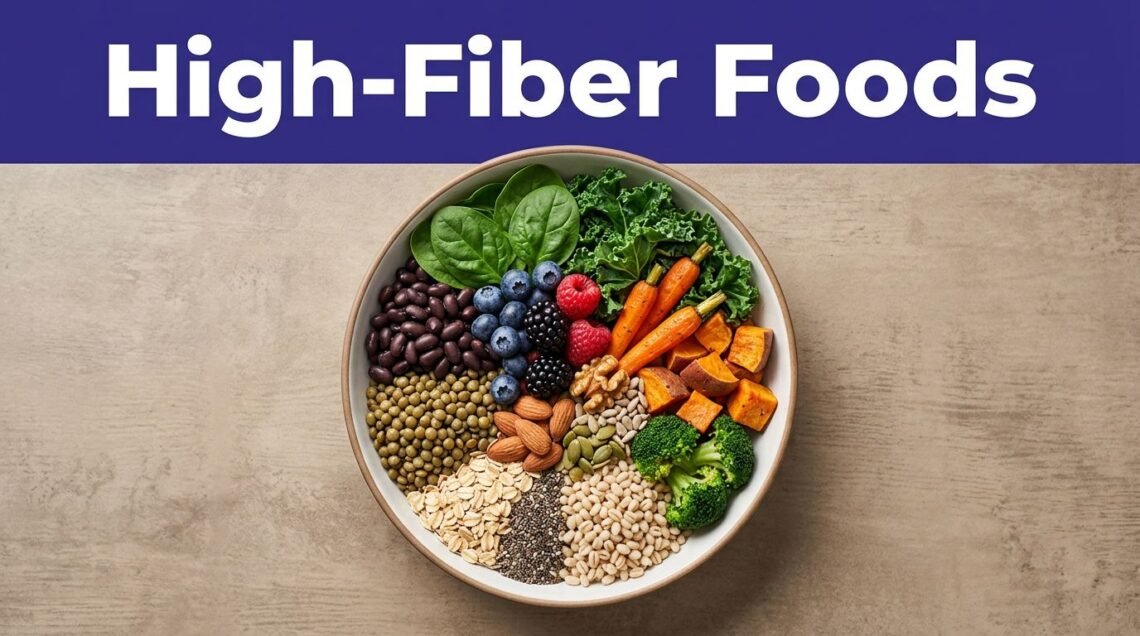
- High-fiber foods such as beans, lentils, berries, vegetables, oats, barley, and other whole grains can add volume and help meals keep you satisfied longer.
- Fiber supports digestive, heart, and metabolic health, but it does not cause weight loss on its own or replace medical care.
- Build balanced meals by pairing fiber-rich foods with protein, produce, and healthy fats, while keeping portions in mind for energy-dense foods such as nuts, seeds, avocado, and nut butters.
- Increase fiber gradually and drink enough water to reduce gas, bloating, cramping, and changes in bowel habits; use supplements only when appropriate and with professional guidance.
Why high-fiber foods support fullness and health
Dietary fiber is the part of plant foods your body doesn’t fully digest. It moves through the digestive tract, where it affects stool bulk, meal satisfaction, and the pace at which some nutrients are absorbed.
A fiber-rich meal usually has more chewing and volume than a refined alternative. For example, a bowl of lentil soup with vegetables is more filling than a similar-calorie serving of crackers. That doesn’t make fiber a magic solution, but it can make it easier to notice hunger and fullness cues.
Fiber also supports digestive health, and the health benefits of a varied plant-food pattern extend beyond digestion. A pattern rich in beans, oats, fruit, vegetables, nuts, seeds, and whole grains is linked with better heart and metabolic health. It may also support type 2 diabetes prevention or management, but it doesn’t replace clinical care. Harvard’s guide to dietary fiber explains how fiber-rich foods can support cholesterol, blood sugar levels, and regular bowel movements.
Soluble fiber and insoluble fiber work differently
Soluble fiber absorbs water and forms a gel-like texture in the gut. Oats, barley, beans, lentils, apples, citrus, and seeds are common sources. Soluble fiber can slow digestion and help moderate blood sugar levels after a meal. Certain forms can also help lower LDL cholesterol levels as part of a heart-healthy eating pattern.
Insoluble fiber adds bulk to stool and helps food move through the digestive system. Whole-wheat foods, wheat bran, vegetables, and fruit skins are common sources.
Most plant foods contain a mix of both types. You don’t need to track each type at every meal. Eating a wide range of plant foods gives you both.
How much fiber do you need each day?
The general U.S. target is 14 grams of fiber per 1,000 calories. For many adults, that works out to roughly 25 to 38 grams daily. See the 14-grams-per-1,000-calorie benchmark for more context.
| Age group | Women | Men |
|---|---|---|
| Ages 19 to 30 | 28 g daily | 34 g daily |
| Ages 31 to 50 | 25 g daily | 31 g daily |
| Ages 51 and older | 22 g daily | 28 g daily |
Your calorie needs, activity level, medical history, and usual diet all matter. Use the table and calorie-based target to assess your daily fiber intake. Rather than chasing a perfect number, check the fiber grams on the nutrition facts label and make gradual, repeatable swaps.
30 high-fiber foods to put on your plate
Fiber amounts vary by brand, variety, ripeness, preparation, and serving size. Canned beans may differ from home-cooked beans, and a cereal’s fiber content can vary widely by brand. Compare these estimates with the Mayo Clinic high-fiber food chart and the nutrition facts label when you shop.
Beans, seeds, and nuts
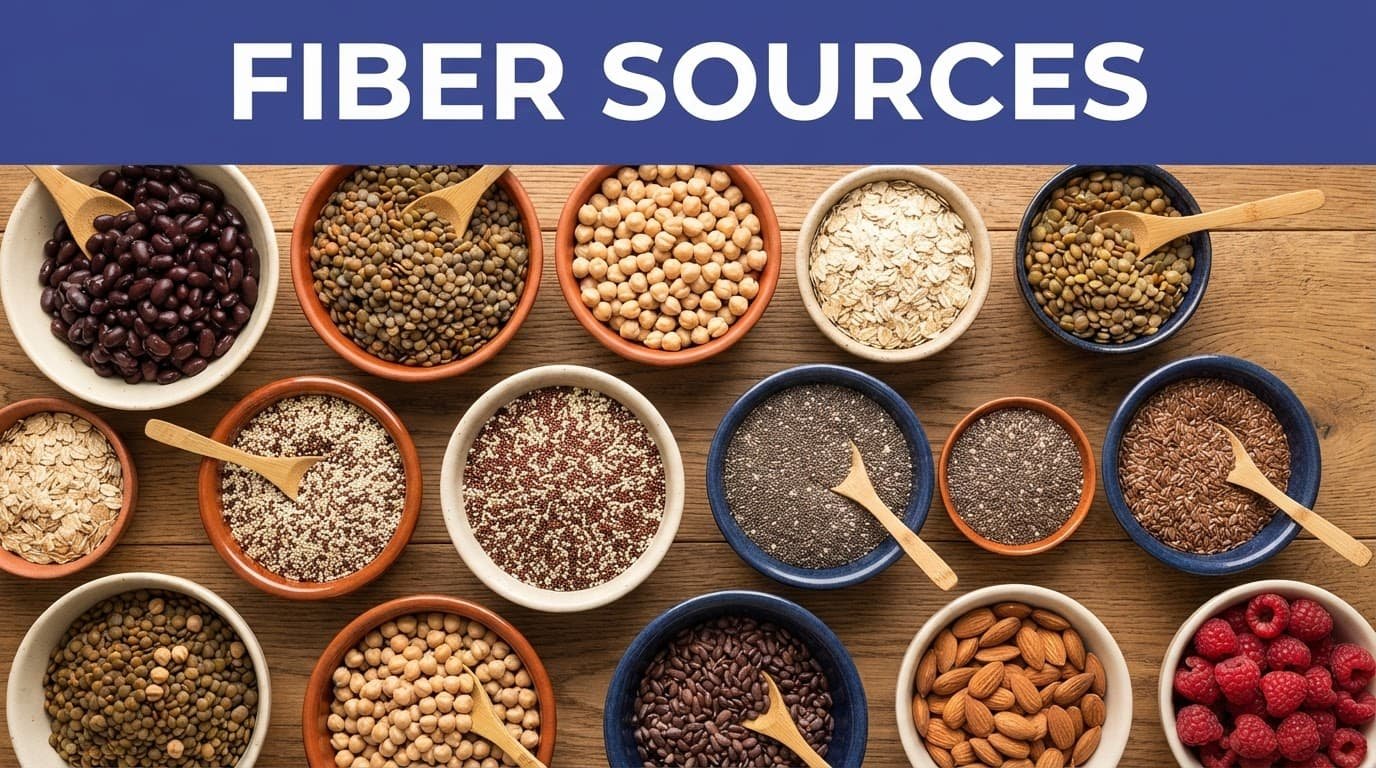
Legumes are among the most efficient ways to raise daily fiber intake. They also provide plant protein, so they make meals more substantial than many lower-fiber side dishes.
| No. | Food and typical serving | Approximate fiber |
|---|---|---|
| 1 | Navy beans, 1 cup cooked | 19 g |
| 2 | Split peas, 1 cup cooked | 16 g |
| 3 | Lentils, 1 cup cooked | 15.5 g |
| 4 | Black beans, 1 cup cooked | 15 g |
| 5 | Kidney beans, 1 cup cooked | 13 g |
| 6 | Chickpeas, 1 cup cooked | 12.5 g |
| 7 | Chia seeds, 2 tablespoons | 10 g |
| 8 | Edamame, 1 cup cooked | 8 g |
| 9 | Ground flaxseed, 2 tablespoons | 4 g |
| 10 | Almonds, 1 ounce | 3.5 g |
Rinse canned beans to reduce sodium, then add black beans or other legumes to soups, grain bowls, tacos, salads, or scrambled eggs. Chia seeds and flaxseed work well in oatmeal, yogurt, smoothies, or overnight oats. Ground flax is easier to digest than whole flaxseed.
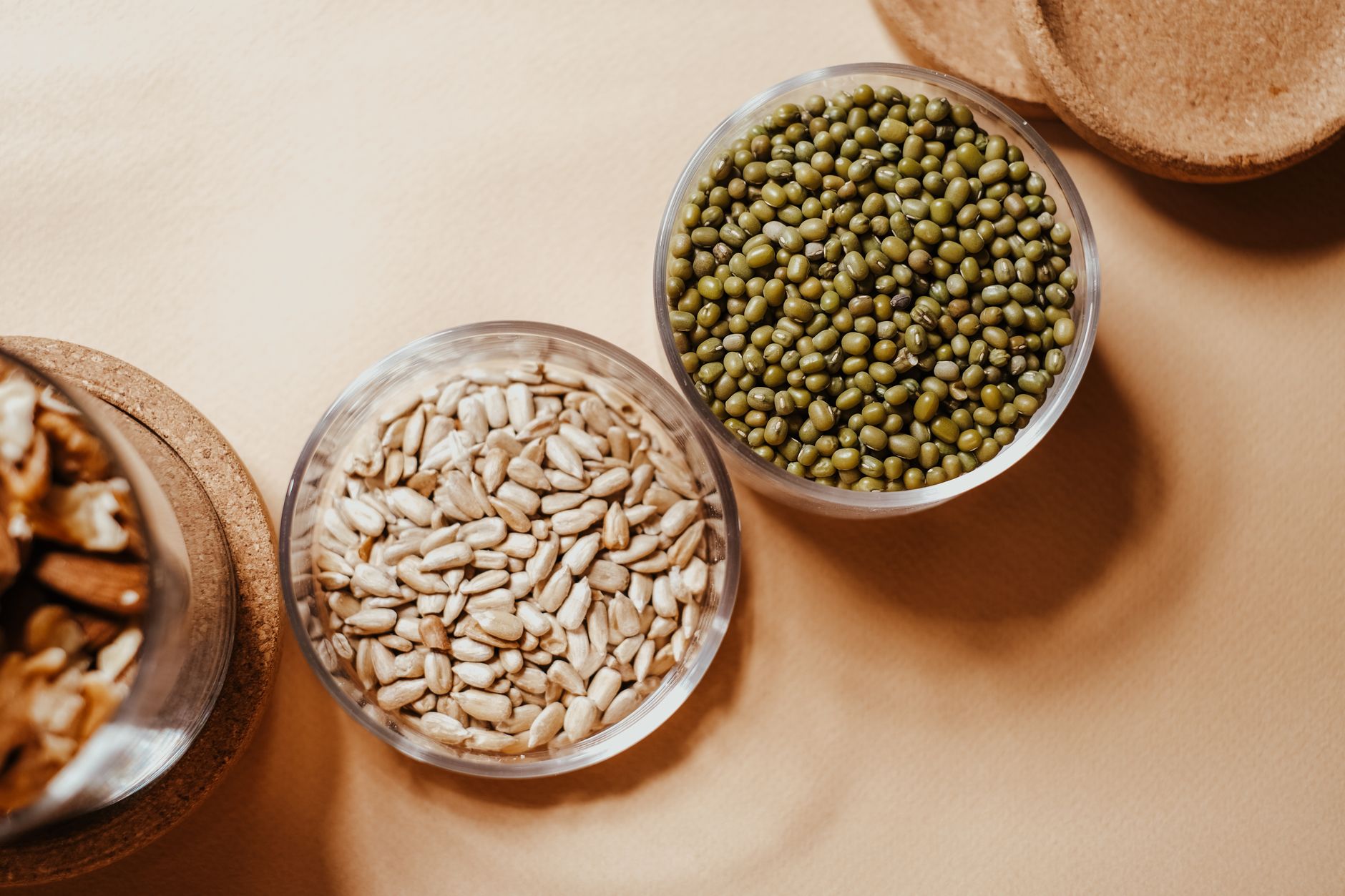
Photo by Vie Studio
Fruits and vegetables with serious staying power
Whole fruit offers more fiber than juice because the pulp and skin stay intact. For vegetables, aim for variety across the week. Frozen produce counts, and it can make high-fiber meals easier on busy nights.
| No. | Food and typical serving | Approximate fiber |
|---|---|---|
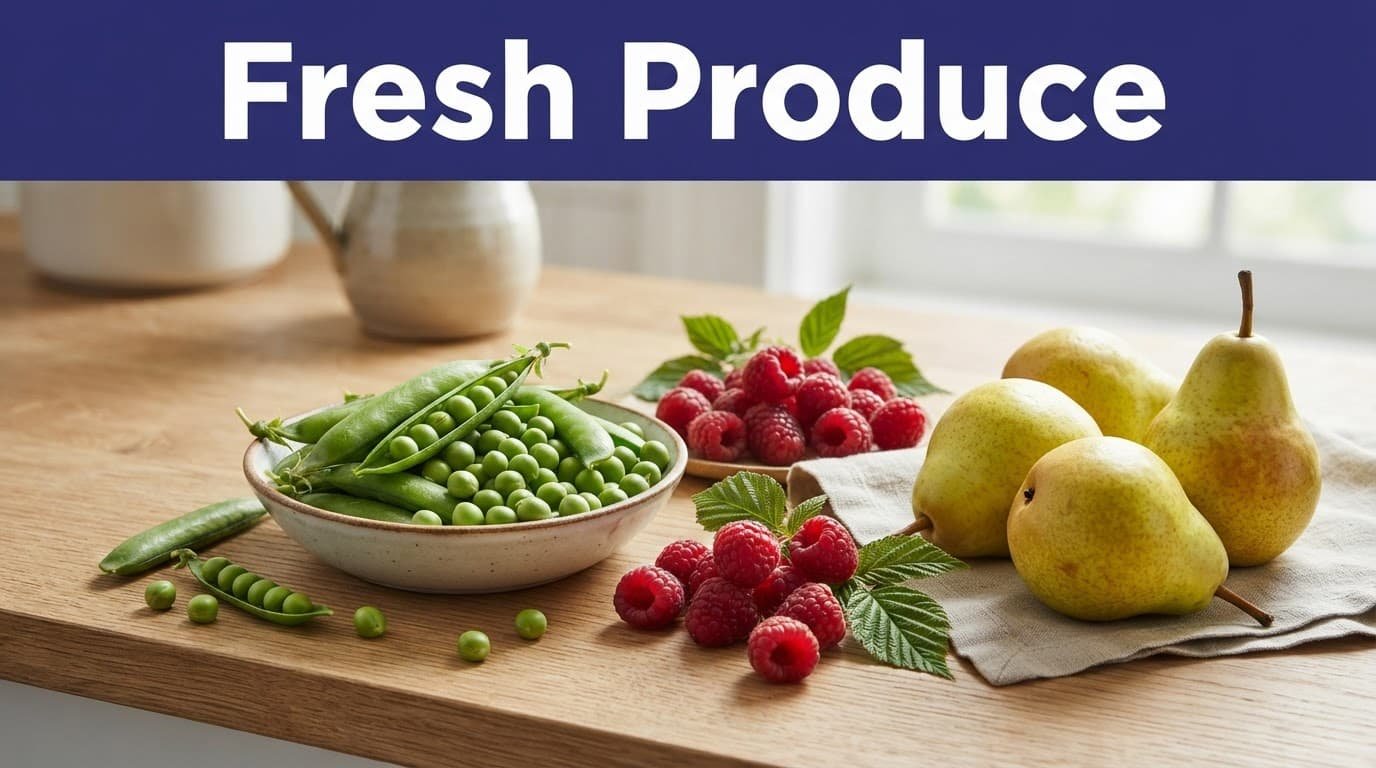
| 11 | Green peas, 1 cup cooked | 9 g |
| 12 | Raspberries, 1 cup | 8 g |
| 13 | Blackberries, 1 cup | 8 g |
| 14 | Artichoke, 1 medium cooked | 7 g |
| 15 | Brussels sprouts, 1 cup cooked | 6 g |
| 16 | Pear, 1 medium with skin | 5.5 g |
| 17 | Broccoli, 1 cup cooked | 5 g |
| 18 | Avocado, 1/2 fruit | 5 g |
| 19 | Apple, 1 medium with skin | 4.5 g |
| 20 | Sweet potato, 1 medium baked with skin | 4 g |
Green peas are an easy upgrade for pasta, risotto, and soup. Raspberries add fiber to breakfast without much preparation. Meanwhile, a pear or apple paired with Greek yogurt, cheese, or a small handful of nuts makes a more satisfying snack than fruit alone.
Whole grains that beat refined staples
Whole grains retain more of the grain’s natural structure than refined foods. Still, the words “multigrain” and “wheat” don’t always mean whole grain. Check the ingredient list for “whole” grain ingredients and compare fiber grams per serving.
| No. | Food and typical serving | Approximate fiber |
|---|---|---|
| 21 | Bulgur, 1 cup cooked | 8 g |
| 22 | Bran cereal, 1/2 cup | 7 to 14 g |
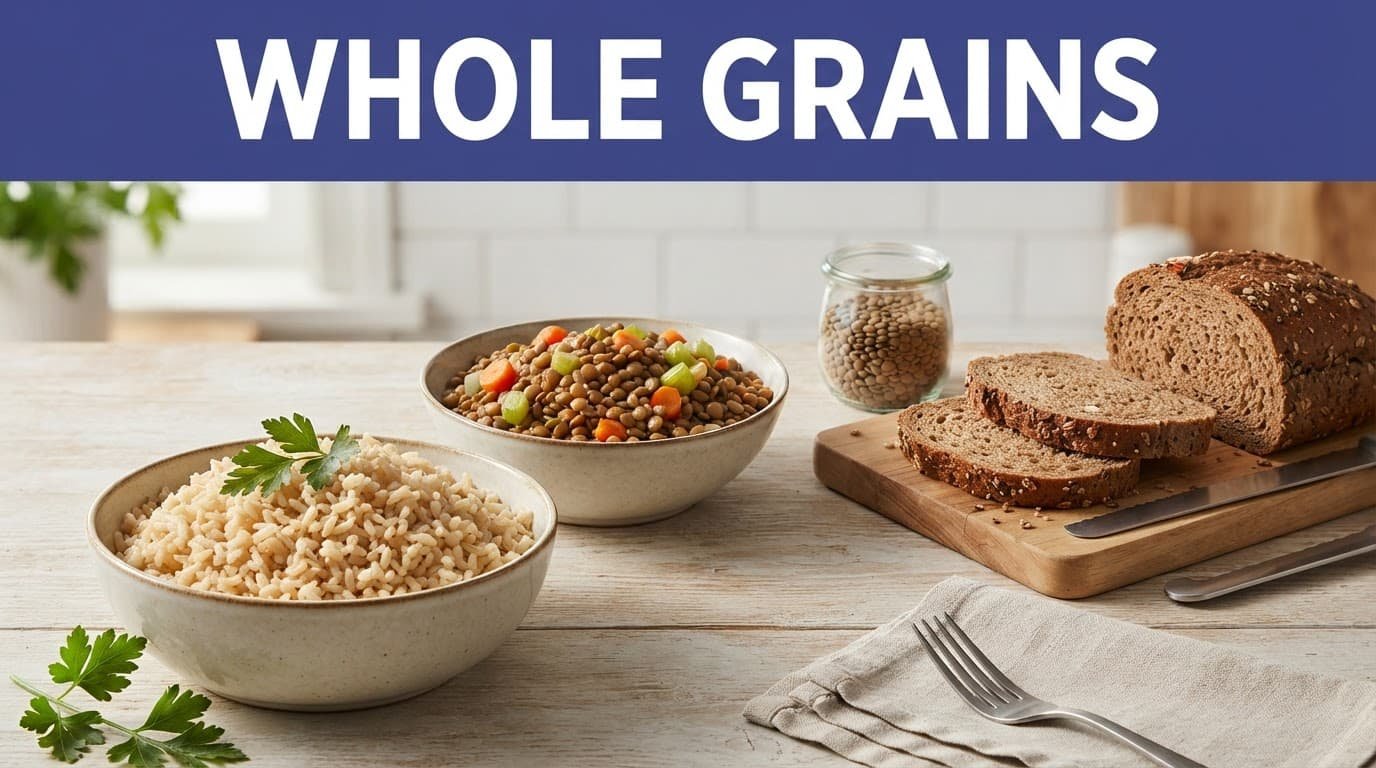
| 23 | Barley, 1 cup cooked | 6 g |
| 24 | Whole-wheat pasta, 1 cup cooked | 6 g |
| 25 | Quinoa, 1 cup cooked | 5 g |
| 26 | Whole-grain pita, 1 medium | 5 g |
| 27 | Oatmeal, 1 cup cooked | 4 g |
| 28 | Whole-wheat bread, 2 slices | 4 g |
| 29 | Brown rice, 1 cup cooked | 3.5 g |
| 30 | Air-popped popcorn, 3 cups | 3.5 g |
Barley and bulgur offer more fiber than brown rice; this switch may support steadier blood sugar levels than refined options. Oats and barley provide soluble fiber, which dissolves in water and can thicken foods. Choose whole-wheat pasta when the texture appeals to you, or mix it half-and-half with regular pasta while you adjust.
Build satisfying meals, not a pile of fiber
Fiber works best when it is part of a meal that also includes protein, produce, and a source of fat. This combination supports fullness, steadier blood sugar levels, and more enjoyable eating. A large bowl of plain bran cereal might contain plenty of fiber, but it may not keep you satisfied like a balanced breakfast.
Try these practical meal and snack ideas:
- Cook oatmeal with milk or a fortified soy beverage, then top it with raspberries, chia seeds, and a spoonful of peanut butter.
- Make soup with lentils, carrots, spinach, tomatoes, and a slice of whole-grain toast.
- Use black beans in tacos, then add cabbage slaw, salsa, avocado, and corn tortillas.
- Build a grain bowl with barley or quinoa, roasted broccoli, chickpeas, and chicken, tofu, salmon, or eggs.
- Pair a pear with almonds or plain Greek yogurt for an afternoon snack that includes fiber and protein.
- At a sandwich shop, choose whole grains, such as whole-grain bread, when available. Add plenty of vegetables, and consider bean soup instead of chips.
- At a fast-casual burrito counter, beans, fajita vegetables, salsa, and brown rice can add more fiber than a meal built around cheese, sour cream, and white rice alone.
For weight loss, serving size still matters. Nuts, avocado, seeds, and nut butters offer fiber but are energy-dense. You don’t need to avoid them. Use measured portions and include them with meals that have fruit, vegetables, or legumes.
A fiber-rich food is most filling when it replaces a low-fiber choice, rather than becoming an extra item added on top of an already large meal.
Increase fiber gradually and drink enough fluids
Many people eat far less dietary fiber than recommended. Jumping from a low-fiber diet to 30 grams or more overnight can cause gas, cramping, bloating, diarrhea, or constipation.
A gradual change gives your digestive system time to adapt and supports digestive health. The fiber intake reference also emphasizes increasing fiber alongside fluid intake.
- Start with one daily swap. Replace white toast with whole-grain toast, or add a piece of fruit to breakfast.
- Spread fiber across meals. Beans at lunch, berries at breakfast, and vegetables at dinner are often more comfortable than one huge serving of legumes.
- Drink water regularly throughout the day. Fiber needs fluid to move through the digestive tract, especially when you add chia, bran cereal, or a fiber supplement.
- Use preparation methods that help. Rinse canned beans and cook dried beans thoroughly. If these foods are new, start with small portions of legumes, bran, or bulky insoluble fiber sources.
Stay at a comfortable level for several days before adding more. Persistent symptoms deserve attention, especially if they are painful or disruptive.
Fiber supplements have a limited role
Fiber supplements, including psyllium, a soluble fiber, can help some people meet a shortfall. They may be useful when a clinician recommends them for constipation, cholesterol management, or another individual need.
Whole foods should remain the foundation because they provide vitamins, minerals, plant compounds, protein, satisfying texture, and broader health benefits. Fiber supplements won’t replace the meal quality of lentils, berries, oats, or vegetables.
If you use fiber supplements, start with the lowest labeled amount and take it with plenty of water. Ask a pharmacist or qualified healthcare professional about timing if you take prescription medicines, since fiber can affect how some medications are absorbed. People with inflammatory bowel disease, gastroparesis, bowel narrowing, a history of obstruction, or individualized dietary restrictions should get personalized guidance before increasing fiber.
A fuller plate starts with one swap
The most useful high-fiber foods are the ones you will eat often. Beans, berries, peas, pears, oats, barley, and other whole grains can all earn a regular place in your kitchen.
Choose one change that fits your routine, then build from there. Daily fiber intake rises steadily when small food swaps become familiar meals, making fiber’s health benefits easier to sustain.
Frequently asked questions
Which high-fiber foods are best for staying full?
A fiber-rich pattern can support fullness because beans, oats, berries, pears, and vegetables combine fiber with volume, water, protein, or healthy fats. Pair them with protein at meals for longer-lasting satisfaction. Bean soup, oats with berries, and a bean-based grain bowl are practical examples.
Can high-fiber foods help with type 2 diabetes?
These foods can support more gradual changes in blood sugar levels, especially when they replace refined grains and sugary snacks. Oats, beans, and barley can fit within a balanced eating pattern. People who use insulin or other glucose-lowering medications should monitor blood sugar and discuss major diet changes with their healthcare team.
Do high-fiber foods cause weight loss?
No single food changes body weight on its own. Fiber can support healthy weight management by making meals more filling, which may help you match your energy needs. Sleep, activity, stress, portions, medication, and overall food choices also affect body weight.
Is fiber good for heart disease and cholesterol levels?
A diet rich in fiber, especially soluble fiber from oats, barley, beans, and fruit, can support healthy cholesterol levels. It works best alongside other heart-supportive habits, such as limiting saturated fat, choosing unsaturated fats, moving regularly, and following treatment plans from your healthcare professional. Fiber supplements may be appropriate for some people with professional guidance.
Healthy Nutrition Made Practical: A Flexible Guide to Balanced Eating