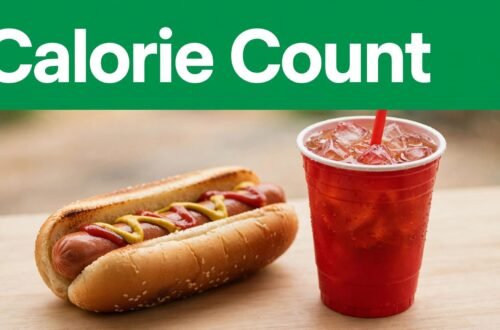

At 5 AM, a full breakfast can feel about as appealing as another alarm. Yet early morning workouts, hard intervals, long runs, and fast-paced classes can feel tougher when you start with no available fuel.
Good morning workout nutrition doesn’t require a huge meal or a perfect routine. It means matching the food, amount, and timing to your workout and your stomach.
Start with a plan you can repeat on ordinary weekdays, not one that only works in theory.
Key Takeaways
- Match your pre-workout food to the workout, wake-up window, and what your stomach tolerates. Easy carbohydrates such as bananas, toast, applesauce, or sports drinks are practical choices close to exercise.
- Fasted training can work for gentle or shorter sessions, but a small carbohydrate snack often supports moderate or hard workouts, especially intervals, endurance exercise, and high-volume lifting.
- Limit large portions of high-fat, high-fiber, or unfamiliar foods before vigorous exercise because they may cause bloating, reflux, cramps, or nausea.
- Build your early eating habit gradually, repeat foods that feel comfortable, and change only one variable at a time.
- After training, combine carbohydrates with roughly 20 to 40 grams of protein within a couple of hours to support recovery, while keeping overall nutrition and sustainable habits in focus.
Should you eat before an early morning workout?
During an overnight fast, your liver releases stored carbohydrate to help keep blood sugar steady. By morning, liver glycogen is lower, though it is not necessarily empty. A tough workout can therefore feel flat if you haven’t eaten since dinner.
For a gentle walk, short mobility session, or easy ride, fasted training may feel fine if you’re comfortable and hydrated. However, a pre-workout snack usually helps with moderate or hard training, especially intervals, endurance exercise, heavy lifting, or a class that lasts more than 45 minutes.
Fasted training may increase fat use during that single session. It does not, however, produce greater fat loss on its own. Sustainable weight loss still depends more on your overall calorie intake, protein intake, food quality, sleep, and habits across the week.
Sports Dietitians Australia’s exercise-fueling guidance recommends familiar, carbohydrate-rich foods that are low in fat before exercise. That advice is practical at dawn because it gives your body usable energy without sitting heavily in your stomach.
A pre-workout snack you can eat consistently without nausea is more useful than a “perfect” breakfast you regularly skip.
Choose Fuel by Your Wake-Up Window
Your wake-up window and hydration status determine the portion size. The closer you are to exercise, the more you should favor easy-to-digest carbohydrates and fluids.
| Time before exercise | A practical choice | Why it fits |
|---|---|---|
| 2 or more hours | Oatmeal with banana and Greek yogurt, or eggs with toast and fruit | You have time for carbohydrates, protein, and a fuller meal. |
| 60 to 90 minutes | Toast with jam and yogurt, or a banana with kefir | A smaller meal provides energy without excessive fullness. |
| 20 to 45 minutes | Banana, applesauce pouch, pretzels, low-fiber cereal, or toast with honey | Simple carbohydrates digest quickly for most people. |
| 0 to 15 minutes | A few sips of fruit juice or sports drink, half a banana, and water | Fluids and small portions are easier when appetite is low. |
For a 5 AM fitness class, a banana snack, plain toast with honey, or an applesauce pouch can be enough. Store-brand bread, instant oats, bananas, and applesauce are inexpensive choices that travel well.
If solids make you gag early in the day, liquid carbohydrate is a valid option. Fruit juice or a sports drink can replace solid food before a short, intense session. Follow it with a balanced breakfast afterward so your day doesn’t begin underfueled.
The NASM nutrition timing guidance also places carbohydrates at the center of pre-exercise meals. When you have more time, add a modest protein source such as yogurt, milk, soy milk, or a small protein smoothie.
Why some breakfasts cause stomach discomfort
High-fat, high-fiber foods take longer to leave the stomach. That is useful at many meals, but it can feel miserable before running, jumping, or cycling hard.
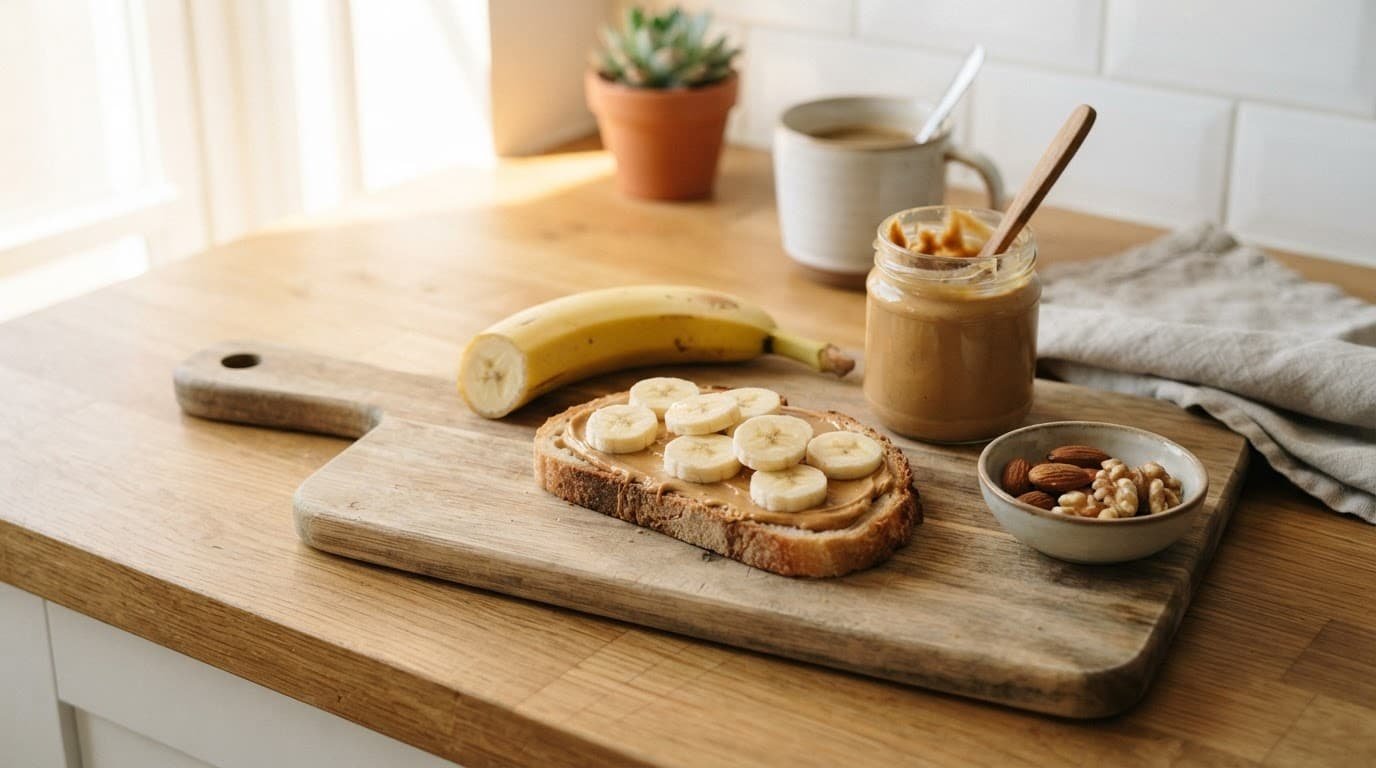
A large serving of nut butter, a full-fat breakfast sandwich, beans, bran cereal, or fried food may cause gastrointestinal distress, including bloating, reflux, cramps, or nausea. Fiber also adds bulk in the gut, which can become distracting during cardio.
This does not mean those foods are unhealthy. Save them for later meals, when you are not about to move vigorously. A thin layer of peanut butter on toast may work, while a larger serving of peanut butter toast may not.
Coffee can also contribute to digestive issues, especially when combined with an empty stomach and a hard workout. Test caffeine and new supplements on easier training days. Drink water after waking, then sip as needed while you get ready.
Build an early eating habit over seven days
People who never feel hungry at dawn do not need to force a full breakfast on day one. Start small and give your body a predictable cue before training.
- On days one and two, prepare your pre-workout snack the night before. Place a juice box, banana, applesauce pouch, or sports drink next to your keys. Drink a few ounces or eat a few bites after waking.
- On days three and four, add a small solid food. Try half a banana, a slice of toast with honey, or a handful of pretzels 15 to 30 minutes before exercise.
- On days five through seven, repeat the same snack. Keep the portion modest, then notice your energy, mood, hunger, and stomach comfort during the workout.
- Eat a recovery breakfast after every session. This makes recovery nutrition part of the routine rather than an afterthought.
- Change one variable at a time if something feels wrong. Reduce the portion, choose a liquid, or eat 10 minutes earlier. Avoid swapping food, caffeine, and timing all at once.
Consistency matters more than variety in this first week. Once your stomach accepts a small snack, you can experiment with oatmeal, yogurt, toast, or a smoothie.
Fuel strength training and endurance differently
A short strength session may require less pre-workout food than a 75-minute run. If you lift for 30 to 45 minutes and feel steady, fasted training may work, followed by a complete breakfast.
Still, a small carbohydrate source can improve the quality of a demanding lifting session. Try fruit, toast, or cereal before heavy squats, high-volume circuits, or training after a long gap without food.
Endurance exercise and high-intensity interval training place greater demands on available fuel. For a morning run, a banana or toast with jam is usually more useful than a protein-only shake. Longer sessions after a long gap without food may benefit from carbohydrate because liver glycogen can be lower. Bring water and a carbohydrate drink or other fuel you have tested in training.
Match your food choices to the session ahead. A leisurely walk and hill repeats do not need the same preparation.
What to eat after your morning workout
Your post-workout meal supports muscle recovery, with protein helping muscle repair, restores carbohydrate stores, and reduces the chance of feeling ravenous by midmorning. Aim for carbohydrates and roughly 20 to 40 grams of protein within a couple of hours.
If you had a substantial pre-workout meal and are eating breakfast soon, nutrition timing can be flexible, so there is no need to rush food down within a strict 30-minute window. Earlier refueling matters more after long endurance sessions, hard training, or two workouts in one day.
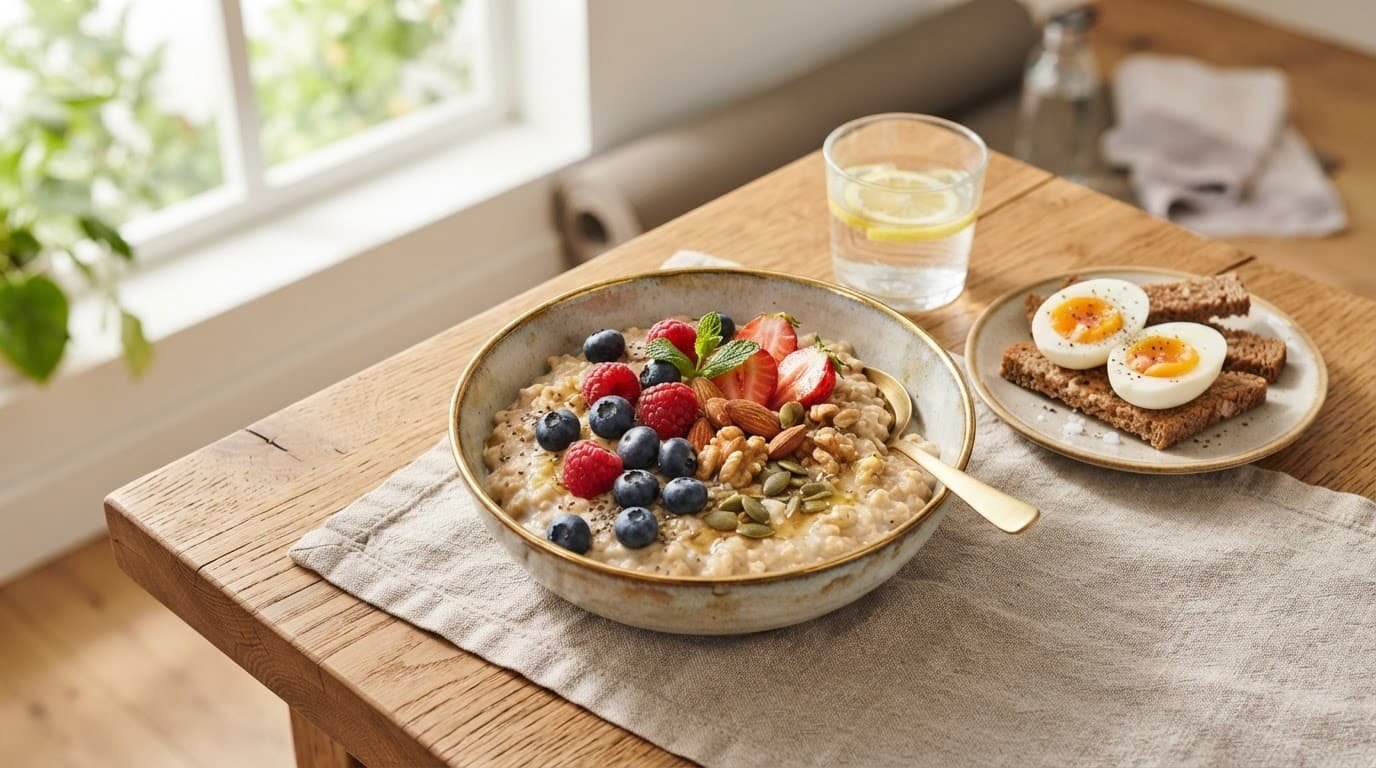
A bowl of oats made with milk, Greek yogurt, and fruit supports glycogen replenishment after training. So do eggs with toast and berries, tofu scramble with potatoes, or a smoothie made with milk or soy milk, fruit, oats, and yogurt.
The International Society of Sports Nutrition position stand on nutrient timing describes how pairing protein with carbohydrates after exercise can support glycogen recovery. For longer events, post-exercise recovery guidance from Today’s Dietitian also emphasizes fluids and carbohydrate replacement.
Use breakfast to support weight loss, not punish hunger
A workout does not need to earn food, and fasted training does not automatically speed fat loss. A small snack can help some people train harder and make calmer choices later in the morning.
Keep the meal after exercise satisfying but proportionate to your goals. Include protein, produce, and a carbohydrate source, then build the rest of your day around regular meals. Overall calorie intake, food quality, adequate protein, and sustainable habits matter far more than eating at 5:15 AM or 8:00 AM.
Pay attention to patterns. If training without food leads to dizziness, an energy crash, intense cravings, or evening overeating, a small snack may improve training and appetite regulation. These adjustments should support sustainable habits, not punish hunger.
When you need individualized guidance
Talk with a registered dietitian or qualified clinician before changing workout fueling if you have diabetes, use blood glucose-lowering medication, are pregnant, have a digestive condition, or have a history of disordered eating. Fasting and rigid food rules can be risky in these situations.
Frequently Asked Questions
Is it okay to work out without eating in the morning?
Fasted training may feel fine for an easy walk, short mobility session, or lighter workout if you are comfortable and hydrated. A snack is usually more helpful before hard intervals, endurance exercise, heavy lifting, or sessions lasting longer than 45 minutes.
What should I eat 30 minutes before an early workout?
Choose a small, easy-to-digest carbohydrate source such as a banana, applesauce pouch, pretzels, low-fiber cereal, or toast with honey. Water and a few sips of juice or a sports drink can work when solid food is unappealing.
Why do some foods upset my stomach before exercise?
Large portions of high-fat or high-fiber foods take longer to digest and may cause bloating, reflux, cramps, or nausea during vigorous movement. Save foods such as fried meals, beans, bran cereal, and large servings of nut butter for later, and test caffeine or new supplements on easier training days.
What should I eat after a morning workout?
Aim for a meal containing carbohydrates and roughly 20 to 40 grams of protein within a couple of hours. Oats with milk, Greek yogurt and fruit, eggs with toast, tofu scramble with potatoes, or a milk- or soy-based smoothie can support recovery.
Make the first meal workable
The right fuel for an early workout is what your body tolerates and your schedule allows. Keep it small before a short session, add more carbohydrate for demanding endurance work, and eat a balanced meal afterward.
This approach works best when it supports steady training, reliable energy, and a routine you can maintain long after the alarm stops feeling brutal.Healthy Nutrition Made Practical: A Flexible Guide to Balanced Eating