
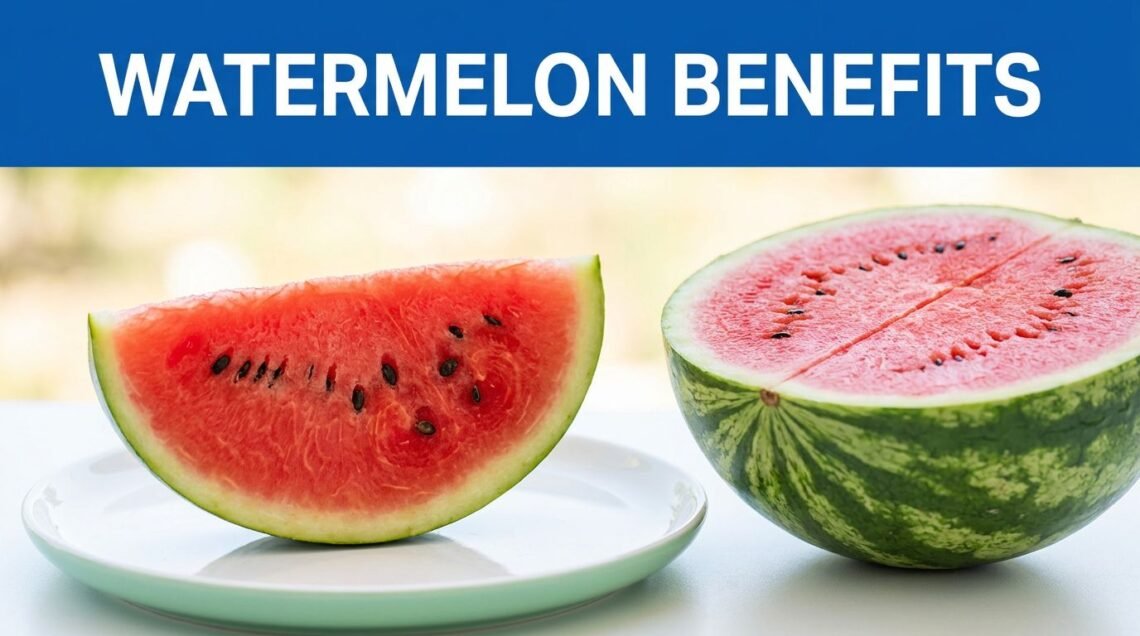
Watermelon is often the snack people reach for when they want something cold, sweet, and light. It’s low in calories and especially high in water, making it a refreshing choice.
Still, natural sugar, serving size, and individual health needs matter. A closer look helps you enjoy watermelon as part of a steady, realistic eating pattern.
This post may contain affiliate links. If you make a purchase through these links, I may earn a small commission at no extra cost to you.
Key Takeaways
- Watermelon is mostly water and provides about 46 calories per cup of diced fruit.
- A typical cup contains natural sugars and carbohydrates, but little fat, protein, or dietary fiber.
- Vitamin C, vitamin A, potassium, lycopene, and citrulline contribute to its nutritional value.
- Pair watermelon with protein, fat, or fiber for a more filling snack.
- People with diabetes, kidney disease, or digestive symptoms may need personalized portions.
Watermelon Nutrition Facts: Calories, Carbs, and Key Nutrients
One cup of diced watermelon, about 152 grams, is a refreshing portion with roughly 45 to 50 calories. It provides about 11 to 12 grams of carbohydrates and 9 grams of naturally occurring sugar. According to the USDA nutrition listing, these values reflect a standard one-cup serving.
Most of watermelon is water, so it offers a large, satisfying volume for relatively little energy. That can help when you want a sweet snack without turning to candy, baked goods, or sweetened drinks.
| Nutrient in 1 cup diced watermelon | Approximate amount |
|---|---|
| Calories | 46 |
| Water | 139 g |
| Carbohydrates | 11.5 g |
| Natural sugars | 9.4 g |
| Dietary fiber | 0.6 g |
| Protein | 0.9 g |
| Fat | 0.2 g |
| Potassium | 170 mg |
| Vitamin C | 12 mg |
| Vitamin A | 43 mcg RAE |
Watermelon is a good source of neither protein nor fiber, so it won’t keep everyone full on its own. However, it supplies several useful nutrients while staying naturally low in fat.
Portion size changes the nutrient totals quickly. A large wedge can equal about two cups of fruit, which means roughly twice the energy and sugar shown above. That is still a reasonable portion for many people, especially as part of a meal.
### How Much Sugar Is in Watermelon?
Watermelon has natural fruit sugar, not added sugar. Total carbohydrates include those sugars along with the small amount of fiber in the fruit. A bowl of watermelon doesn’t need to be treated like a soda or candy bar.
Because each bite contains so much water, the sugar is spread across a high-volume food. This is one reason a cup of watermelon can feel more substantial than its carbohydrate number might suggest.
People with diabetes don’t automatically need to avoid it. Serving size, the rest of the meal, and an individual blood sugar response matter more than treating the fruit as forbidden. People managing insulin resistance may also benefit from pairing watermelon with grilled chicken, Greek yogurt, or nuts rather than having juice alone.
Watermelon Compared With Other Popular Fruits
Different fruits meet different needs. Cantaloupe has a similar water-rich texture and provides more vitamin A. Strawberries are lower in carbohydrates per cup and provide more fiber than watermelon. Apples offer more fiber and a firmer chew, while bananas bring more carbohydrates and potassium for active days.
Watermelon is often a lower-energy option among those choices by volume. Still, no fruit wins every comparison. Choose based on appetite, hydration needs, activity, fiber goals, and what you genuinely enjoy eating.
Health Benefits of Watermelon, From Hydration to Antioxidants
Watermelon can support well-being by providing fluid, micronutrients, and plant compounds in a minimally processed form. Its value comes from regular dietary patterns, not from treating the fruit as medicine.
The USDA Agricultural Research Service notes watermelon contains lycopene, antioxidants, and non-protein amino acids. These compounds make it a useful addition to a varied diet with fruits, vegetables, beans, whole grains, and protein-rich foods.
Why Watermelon Can Support Hydration
Watermelon is about 90% water. It can add meaningful fluid during hot weather, after a walk, or when plain water feels unappealing.
Fruit doesn’t replace drinking water. It also isn’t a complete sports drink during prolonged, intense exercise with heavy sweating. Watermelon contains potassium, which supports normal nerve and muscle function, but it lacks the sodium and fluid replacement some athletes need.
Watermelon can add to daily fluid intake, but your needs still depend on regular drinks and your activity level.

### Lycopene, Vitamin C, and Other Plant Compounds
The red flesh in many watermelon varieties gets its color from lycopene, a carotenoid antioxidant. Lycopene levels vary by variety, growing conditions, and ripeness. Yellow and orange watermelons contain different carotenoid combinations.
Vitamin C supports collagen formation, skin health, and immune health. Vitamin A supports eye health, immune function, and normal cell growth. These nutrients are valuable, but one serving cannot prevent illness.
Researchers are also studying lycopene in relation to heart disease. This research does not prove that watermelon prevents heart disease.
Watermelon nutrition works best within a produce-rich diet. Rotating colors on your plate provides a broader mix of nutrients than relying on one favorite fruit.
What Research Says About Citrulline and Exercise
Watermelon contains citrulline, an amino acid that researchers study in relation to physical activity.
The body can convert citrulline into arginine, another amino acid involved in the proposed production of nitric oxide.
Researchers are examining whether citrulline may affect blood flow, blood pressure, exercise performance, or muscle soreness. Evidence from whole watermelon remains limited.
Concentrated citrulline supplements provide much higher amounts than fruit. Their results cannot automatically be applied to watermelon. If you have a health condition or take medication, ask a clinician before trying supplements.
How to Add Watermelon to a Healthy Eating Plan
For weight management, watermelon can fit well because a generous-looking serving is relatively low in calories. It works best as part of a meal or snack, rather than as the entire meal.
Try one or two cups based on your hunger, physical activity, and other foods you are eating. There is no mandatory portion that works for every adult.
Balanced Snack and Meal Pairings
Pairing watermelon with protein, healthy fats, or fiber makes a snack more satisfying. It also supplies nutrients the fruit lacks. Easy options include:
- Watermelon with plain Greek yogurt or cottage cheese.
- Cubes of watermelon with feta, cucumber, and a small handful of pistachios.
- Watermelon salsa with black beans and grilled chicken or fish.
- A fruit salad with berries, watermelon, and chia or pumpkin seeds.
Watermelon also works in chilled soups, infused water, and smoothies. Blended drinks are easier to consume quickly, though. Use a measured amount of fruit, then add yogurt, milk, or another protein-rich ingredient when making a smoothie for a snack.
Fresh, Frozen, and Juiced Watermelon: What Changes?
Fresh watermelon has its familiar texture and provides the full edible pulp. Freezing fresh watermelon generally preserves its basic nutrients, although the texture changes. Thawed cubes become soft and work best in smoothies or slushes.
Juicing removes much of the fiber and makes large servings easier to drink. Whole cubes are usually the better choice when fullness or blood sugar management is a concern.
Wash the rind before cutting, even though you won’t eat it. Use a clean knife and cutting board, refrigerate cut fruit within two hours, and eat it within three to five days.
Who Should Watch Their Watermelon Portions?
Most people can enjoy watermelon safely. Still, some health conditions call for more individualized guidance.
People with chronic kidney disease who follow a potassium-restricted diet should ask a renal dietitian or registered dietitian about portions. Watermelon may not fit a strict potassium restriction without personalized advice. Anyone with a suspected food allergy should also seek medical guidance instead of testing large amounts at home.
Watermelon, Blood Sugar, and Diabetes
Watermelon can have a high glycemic index, which measures how quickly a food may raise blood glucose. Yet a usual serving has a moderate amount of carbohydrates because the fruit contains so much water.
People with insulin resistance may need to monitor portions more closely. The serving size and total meal matter more than the glycemic index alone.
If a health professional has asked you to monitor blood sugar, check your personal response. With insulin resistance, individual glucose responses can differ, so adjust portions as needed with professional guidance.
Digestive Sensitivity and Food Safety Considerations
For some people, digestive health depends on limiting certain foods or portion sizes. FODMAPs are fermentable carbohydrates that may trigger digestive symptoms in sensitive individuals.
Larger watermelon portions may be harder to tolerate because they contain FODMAPs. For some people, FODMAPs may contribute to bloating, gas, or loose stools.
If you follow a low-FODMAP plan, test a smaller serving and track your symptoms. Avoid assuming FODMAPs are the only cause, since digestive symptoms can have several possible explanations. Discuss persistent concerns with a qualified professional for a proper assessment of FODMAPs and other potential triggers.
Frequently Asked Questions
Can watermelon fit into weight management?
Watermelon can fit into weight management because it provides plenty of volume for relatively few calories. It won’t cause weight loss by itself, so pair it with filling foods and consistent eating habits.
Is it okay to eat watermelon at night?
Yes, most people can eat watermelon in the evening. A large portion may increase nighttime bathroom trips because of its high water content.
Are watermelon seeds safe to eat?
Yes, watermelon seeds are safe to eat. They provide small amounts of fiber, protein, and minerals, although many people prefer seedless varieties for convenience.
Does watermelon have more sugar than an apple?
A cup of watermelon has fewer carbohydrates than a medium apple, but apples usually provide more fiber. The better choice depends on your portion, appetite, and overall meal pattern.
Can dogs eat watermelon?
Plain, seedless watermelon flesh is generally safe for dogs in small amounts. Remove the rind and seeds first, since they can cause digestive problems or choking hazards.
A Practical Place for Watermelon
Watermelon is a convenient, low-calorie fruit, and fresh watermelon provides hydration, key vitamins and minerals, and plant compounds such as citrulline. It also contains natural carbohydrates and sugar, so portion awareness can be helpful without being restrictive.
Pairing a serving with Greek yogurt, cottage cheese, beans, or another protein-rich food can create a more balanced snack. If you manage kidney disease, diabetes, or persistent digestive symptoms, personalized guidance can help you enjoy watermelon nutrition with confidence.Healthy Nutrition Made Practical: A Flexible Guide to Balanced Eating