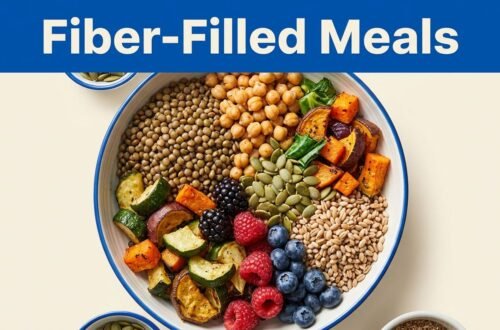
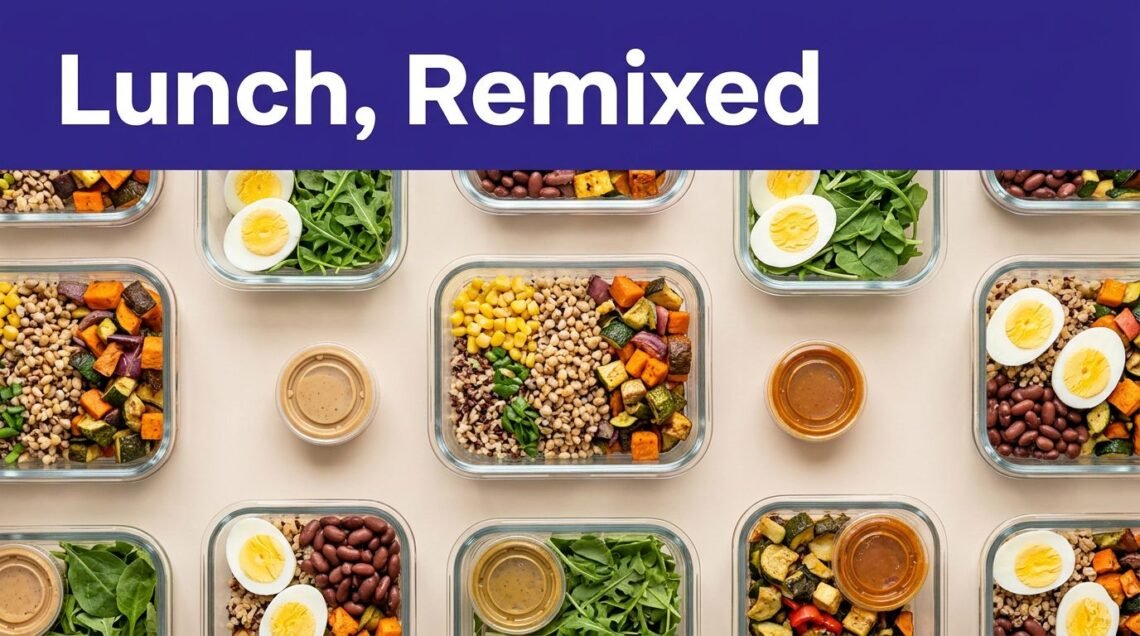
A rushed lunch can derail the plan you made at breakfast. Weight loss meal prep keeps a filling option ready before meetings, commutes, and afternoon hunger make takeout feel like the only choice.
The goal isn’t to eat the same chicken and broccoli box forever. Prepare flexible parts that make weekday lunches easy, satisfying, and easier to adapt to your appetite.
Start with a few repeatable components, then change the flavors throughout the week to support your weight loss goals.
Key Takeaways
- Build lunches around protein, non-starchy vegetables, and measured portions of fiber-rich carbohydrates and healthy fats.
- Use a mix-and-match system with batch-cooked ingredients, different sauces, and varied toppings to prevent boredom.
- Choose convenient, affordable foods such as frozen vegetables, canned beans, lentils, eggs, whole grains, and Greek yogurt.
- Prep according to your schedule, portion later-week meals for freezing, and follow safe cooling, storage, and reheating practices.
- Treat calorie tracking as a short-term learning tool and adapt meals to your preferences so weight loss remains sustainable.
Start With a Realistic Calorie Deficit
Weight loss requires an energy deficit over time, meaning you use more energy than you take in. However, a tiny lunch that leaves you hungry by 3 p.m. often leads to unplanned snacking later. A better approach is to build lunches that are substantial enough to hold you through the afternoon.
An evidence review of weight-loss diet strategies found that multiple eating patterns can support weight loss when they create an energy deficit and fit a person’s preferences. You don’t need keto, fasting, or a rigid meal plan if those methods make eating feel miserable.
Calorie needs vary with body size, activity, health conditions, medications, and weight loss goals. You don’t need to count every calorie forever. Tracking meals in MyFitnessPal or a similar app for a week or two can reveal common portion sizes. A food scale can also help you learn what a serving of rice, nuts, cheese, or oil looks like.
After that, many people can use this simple, macro-friendly lunch structure as a flexible framework rather than a rigid prescription. Pairing a low glycemic carbohydrate with protein and vegetables may support afternoon satiety, though it won’t eliminate hunger for everyone.
- Fill about half the container with non-starchy vegetables, such as broccoli, peppers, cabbage, green beans, or salad greens.
- Add a satisfying portion of a high protein food, often 25 to 40 grams of protein depending on the food and your needs.
- Include a measured serving of a low glycemic, high-fiber carbohydrate, such as beans, brown rice, quinoa, or sweet potatoes, plus a measured amount of fat from avocado or olive oil.
A lunch that prevents late-afternoon grazing can be more useful than a lower-calorie lunch that leaves you distracted by hunger.
Build a Mix-and-Match Lunch Prep System
Rigid weekly meal prep schedules create boredom because every lunch is decided on Sunday. Instead, batch cook a few neutral components for a flexible healthy meal prep system. Give them different seasonings, sauces, and toppings throughout the week.
Choose two proteins, two vegetables, one or two carbohydrate sources, and two sauces, with a low glycemic base such as beans, lentils, or whole grains. That small rotation produces several lunches without requiring five separate recipes.
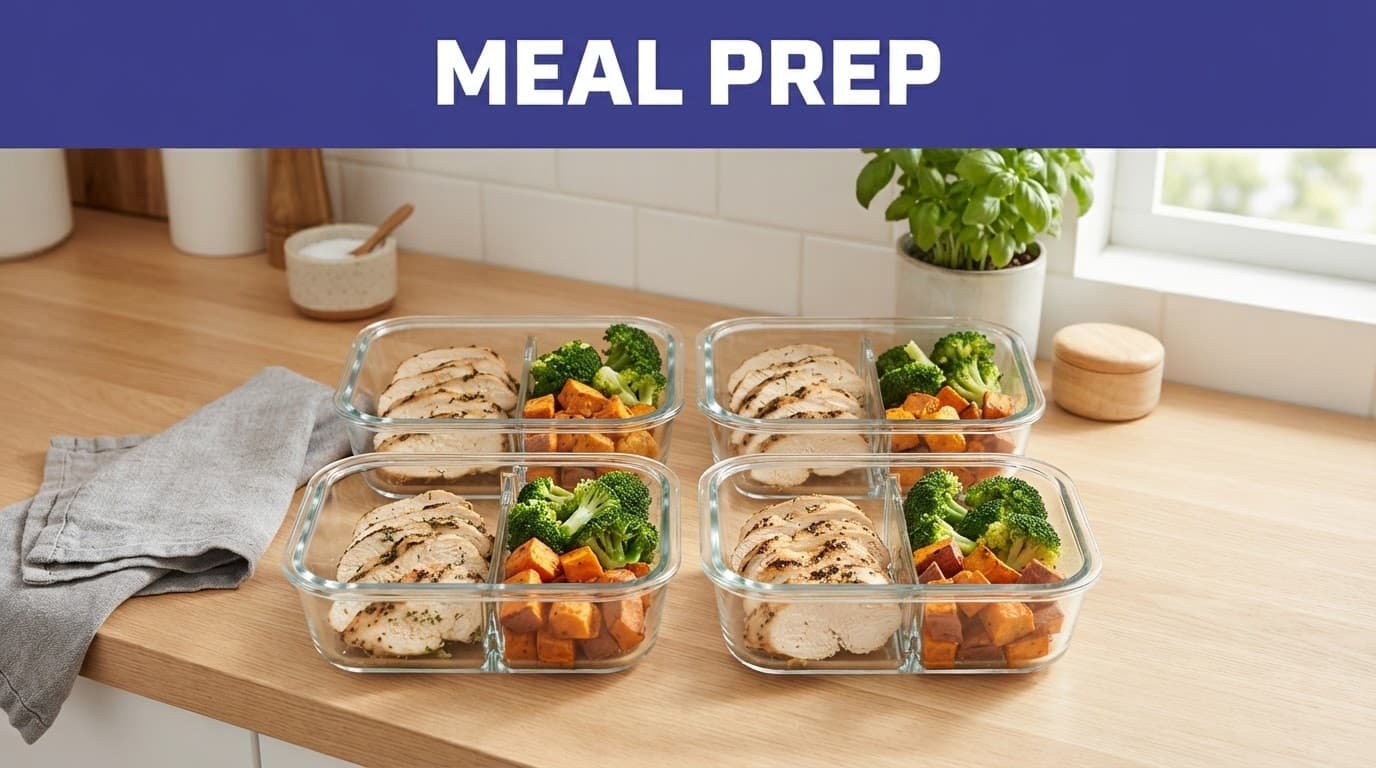
For example, roast chicken breast with smoked paprika and garlic, then cook a tray of sweet potatoes and broccoli. Use the chicken in a salsa bowl one day, a Greek-style salad the next, and a warm wrap with hummus later in the week.
If that protein isn’t your favorite, swap it for turkey meatballs, baked tofu, lentils, canned salmon, shrimp, or lean beef. The best protein is one you’ll look forward to eating.
A practical prep session often takes 60 to 90 minutes once you know the routine. Start the longest-cooking item first, such as brown rice or roasted vegetables. Then cook protein while the oven is running and chop raw vegetables during the final 15 minutes.
A five-day lunch rotation with practical meal prep ideas
| Day | Lunch combination | Flavor change |
|---|---|---|
| Monday | Chicken, brown rice, broccoli, salsa | Add lime and Greek yogurt |
| Tuesday | Turkey, black beans, peppers, sweet potato | Use taco seasoning and pico de gallo |
| Wednesday | Tofu, quinoa blend, cabbage, edamame | Add sesame-ginger dressing |
| Thursday | Chicken, greens, tomatoes, chickpeas | Use lemon, herbs, and feta |
| Friday | Lentils, roasted vegetables, rice | Add curry sauce or harissa yogurt |
The meal changes when the seasoning changes. Keep sauces in small containers so greens stay crisp and roasted foods don’t turn soggy.
Stock Your Grocery List Around Protein, Fiber, and Convenience
A useful grocery list includes foods that keep well, cook quickly, and make a decent lunch even on a tired Thursday. Frozen vegetables, canned beans, bagged slaw, and microwaveable grains can be as helpful as fresh produce, and these convenient processed foods aren’t automatically unhealthy. Frozen, canned, and shelf-stable options can support a low glycemic lunch when they offer fiber and little added sugar.
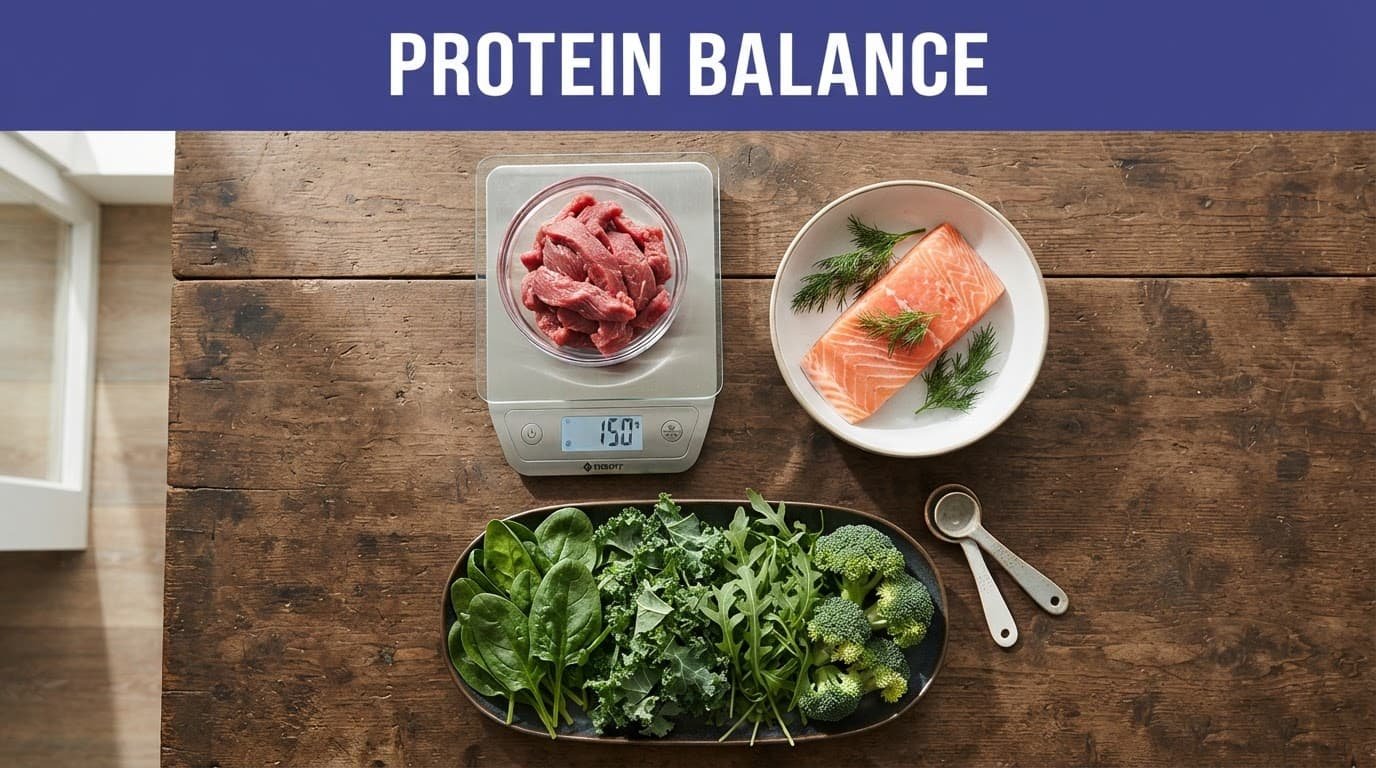
For protein, buy quick, batch-friendly high protein choices, including chicken breast or thighs, extra-lean ground turkey, eggs, cottage cheese, tuna, salmon, tofu, tempeh, lentils, canned beans, and Greek yogurt. Use this cultured dairy option as a creamy dressing base, while canned fish can rescue a lunch when the fridge is nearly empty.
Build your cart around whole foods: vegetables, fruit, beans, oats, whole-grain wraps, quinoa, brown rice, and sweet potatoes. Beans, oats, and many vegetables are low glycemic fiber sources that also provide complex carbohydrates. Overnight oats are an optional breakfast add-on; increase fiber gradually and drink enough water as digestion adjusts.
The glycemic index is only one factor, since mixed meals and how much you eat also shape the response. Low glycemic choices generally raise blood sugar more gradually than refined carbohydrates, yet white rice, potatoes, and fruit can fit into healthy eating. Pairing carbohydrates with protein, fiber, and some fat can make a low glycemic meal more satisfying than refined carbs alone; insulin spikes still vary by food, amount, and person.
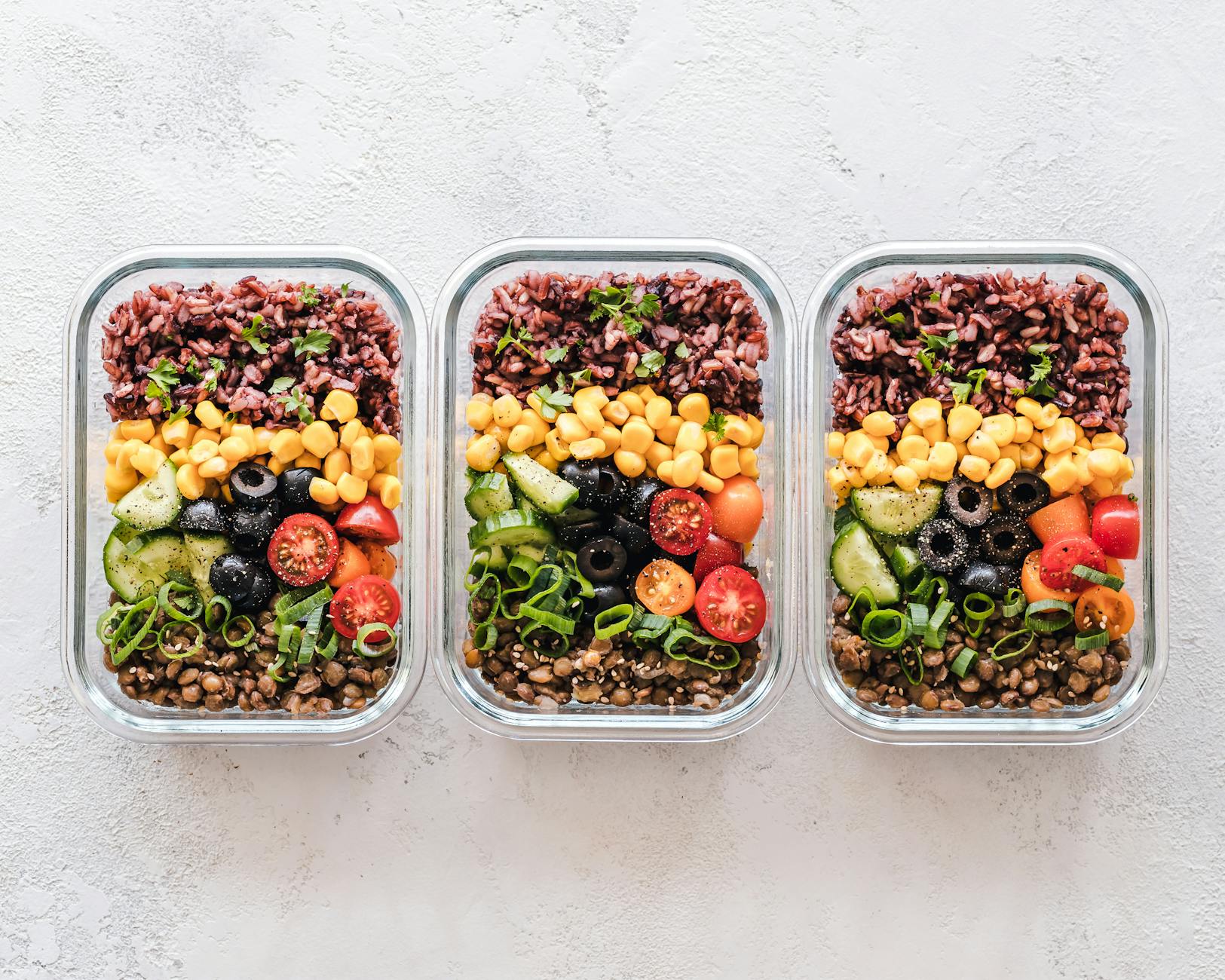
Photo by Ella Olsson
Make Sunday Prep Easier on Your Budget and Schedule
Start an affordable weekly meal prep routine with foods you already buy. A costly cart full of unfamiliar “diet” products usually creates waste. Store-brand frozen vegetables, dried or canned beans, chicken thighs, eggs, oats, and seasonal produce often stretch further than single-serve meals. Beans, lentils, and intact grains are affordable low glycemic options when they fit your preferences.
Batch cook one expensive protein and one lower-cost protein. For instance, make salmon for two lunches and seasoned lentils for two more. That gives your week variety without making fish the center of every container.
If Sunday is packed, divide the work. Grocery shop online or on Friday, roast vegetables on Sunday, prepare overnight oats, then assemble lunches on Monday morning. Another option is a 30-minute midweek reset with fresh greens, a new sauce, and one easy protein.
Use these steps to keep prep manageable:
- Pick three lunch combinations before shopping, including at least one low glycemic option if it suits your preferences.
- Buy ingredients with overlapping uses, such as spinach for wraps, grain bowls, and side salads.
- Portion only the meals you need early in the week, then freeze later portions.
- Keep one emergency shelf-stable lunch at work, such as tuna, whole-grain crackers, and a bean cup.
Personalized flexible meal planning research centers on fitting nutrition targets around individual preferences. Your plan should do the same by considering your dietary needs, preferences, allergies, and foods you avoid. If you dislike reheated chicken or don’t eat dairy, build around foods you enjoy rather than forcing a template that won’t last.
Prevent Food Boredom and Keep Lunches Fresh
Variety doesn’t require more cooking. Rotate flavor profiles instead: salsa and avocado, pesto and tomatoes, lemon and herbs, peanut-lime sauce, or a simple yogurt-based curry dressing. Keep sauces separate, and measure flavorful extras because oils, cheese, and nuts can add more energy than expected.
Texture matters too. Add something crisp to soft grain bowls, such as shredded cabbage, cucumbers, radishes, toasted pumpkin seeds, or pickled onions. A familiar base feels different when it has a new sauce and a fresh topping.
For food safety and quality, cool cooked food promptly in shallow meal prep containers. Refrigerate lunches you plan to eat during the first few days, then freeze Thursday and Friday portions. Move a frozen lunch to the refrigerator the night before, and reheat hot foods until steaming.
You can also prep ingredients rather than complete meals. Keep washed greens, cooked grains, roasted vegetables, and protein in separate containers, so you can assemble a low glycemic lunch when you want that option. Assembly takes a few minutes, yet lunch feels far less repetitive.
Frequently Asked Questions
How many calories should a weight loss lunch contain?
There is no single calorie target that works for everyone because needs depend on body size, activity, health, medications, and goals. Choose a portion that supports an overall calorie deficit without leaving you excessively hungry later in the day.
How far in advance can I meal prep lunches?
Refrigerate the lunches you plan to eat during the first few days and freeze later-week portions for better quality. Move frozen meals to the refrigerator the night before and reheat hot foods until steaming.
What should I include in a weight loss meal prep lunch?
A practical lunch includes a satisfying portion of protein, plenty of non-starchy vegetables, and a measured serving of a fiber-rich carbohydrate such as beans, quinoa, brown rice, or sweet potato. Add a moderate amount of fat and flavorful sauce to improve satisfaction without losing track of portions.
How can I keep meal-prepped lunches from getting boring?
Prepare neutral ingredients and change the flavor profile with sauces, seasonings, herbs, and crunchy toppings. Keeping sauces and crisp ingredients separate also helps preserve texture and makes the same base feel like a different meal.
A Sustainable Lunch Routine Beats a Perfect Plan
The most useful weight loss meal prep routine is the one that reduces weekday pressure and supports your weight loss goals without making food feel joyless. Build lunches around protein, vegetables, fiber-rich carbohydrates, and flavors you genuinely like.
Use tracking as a learning tool for appropriate portion sizes, not as a rule you can never bend. This flexible approach supports healthy eating while leaving room for leftovers, a restaurant meal, or the occasional week when frozen portions do most of the work. That flexibility makes sustainable weight loss easier to maintain.
Healthy Weight Loss in 2026: A Beginner’s Guide to Getting Started