
More energy and focus can make a tough gym session feel productive instead of flat. A pre gym supplement, including many pre-workout supplements, may support athletic performance, workout intensity, and muscle mass goals when you need a boost, but it isn’t required for strength or muscle mass gains.
Sleep, food, hydration, weight training, and a consistent program still do most of the work. The right product can support your routine, while the wrong dose can leave you shaky or wide awake at midnight. Understanding ingredients, timing, caffeine-free options, and safety helps you make a smarter choice.
Key Takeaways
- A pre-workout dietary supplement can support energy and focus, but it can’t replace training, sleep, balanced meals, or water.
- Read the complete Supplement Facts panel and avoid products that hide doses in proprietary blends.
- Match the caffeine content to your tolerance and the time you train. Choose a stimulant pre-workout for a stronger boost or a stim-free pre-workout if you’re sensitive to caffeine or train later in the day.
- Start with half a serving when trying a new formula.
- Don’t stack pre-workout supplements with energy drinks, coffee, or other stimulant products without counting your total caffeine intake.
What Is a Pre Gym Supplement and How Does It Work?
A pre gym supplement is a powder, capsule, drink, or ready-to-mix formula taken before exercise. Many people use a pre-workout powder, while others choose capsules or ready-to-drink pre-workout supplements. Some products contain one ingredient, such as creatine monohydrate or caffeine. Others combine stimulants, amino acids, electrolytes, and plant extracts in one scoop.
Caffeine is the ingredient most people notice because it can increase alertness and make high-intensity exercise feel more energized. Creatine monohydrate is generally used consistently over time to support athletic performance, rather than taken only 20 minutes before one workout. Beta-alanine may help buffer the effects of intense effort during high-intensity exercise, which can help delay the feeling of muscle fatigue during repeated hard efforts.
L-citrulline is another common ingredient, especially in formulas designed to support a workout pump. The body can use it to increase nitric oxide production, which may support blood flow during exercise. L-citrulline also contributes to the processes involved in nitric oxide synthesis, although these effects can vary from person to person. A stronger pump doesn’t automatically mean a more effective workout.

Pre-workout formulas are different from coffee, energy drinks, and a normal meal. Coffee offers caffeine with few extra ingredients. Energy drinks may add caffeine and sugar, but their ingredient amounts can vary. A banana, yogurt, or turkey sandwich gives your body carbohydrate and protein rather than a stimulant hit.
Your response also depends on sleep, the workout planned, your meal timing, and your personal caffeine tolerance. A scoop won’t rescue a session after four hours of sleep and little food. Creatine monohydrate, branched-chain amino acids, and other ingredients may be included to support goals such as muscle recovery or endurance training, but their effects depend on regular use, nutrition, and the full formula.
Research on multi-ingredient pre-workout supplements shows that formulas often combine caffeine, beta-alanine, L-citrulline, nitrates, and other compounds, which makes it harder to predict how every blend will feel for each person. A review of multi-ingredient pre-workout supplements highlights why the full formula matters more than the front-label promise, particularly when comparing dietary supplements marketed for athletic performance.
How to Choose a Pre Gym Supplement That Fits Your Goals
Start with the problem you want to solve. If early workouts feel sluggish, a moderate-caffeine formula may suit you, but compare its caffeine content with what you already get from coffee, energy drinks, or other supplements. If you train after work and want to protect your sleep, a stim-free pre-workout makes more sense. Lifters who already use coffee may not need another product with a high caffeine content.
Turn the container around and read the entire Supplement Facts panel. Look for the amount of each active ingredient per serving, including creatine monohydrate, beta-alanine, L-citrulline, and electrolytes. A transparent formula states exact doses instead of hiding them in a proprietary blend.
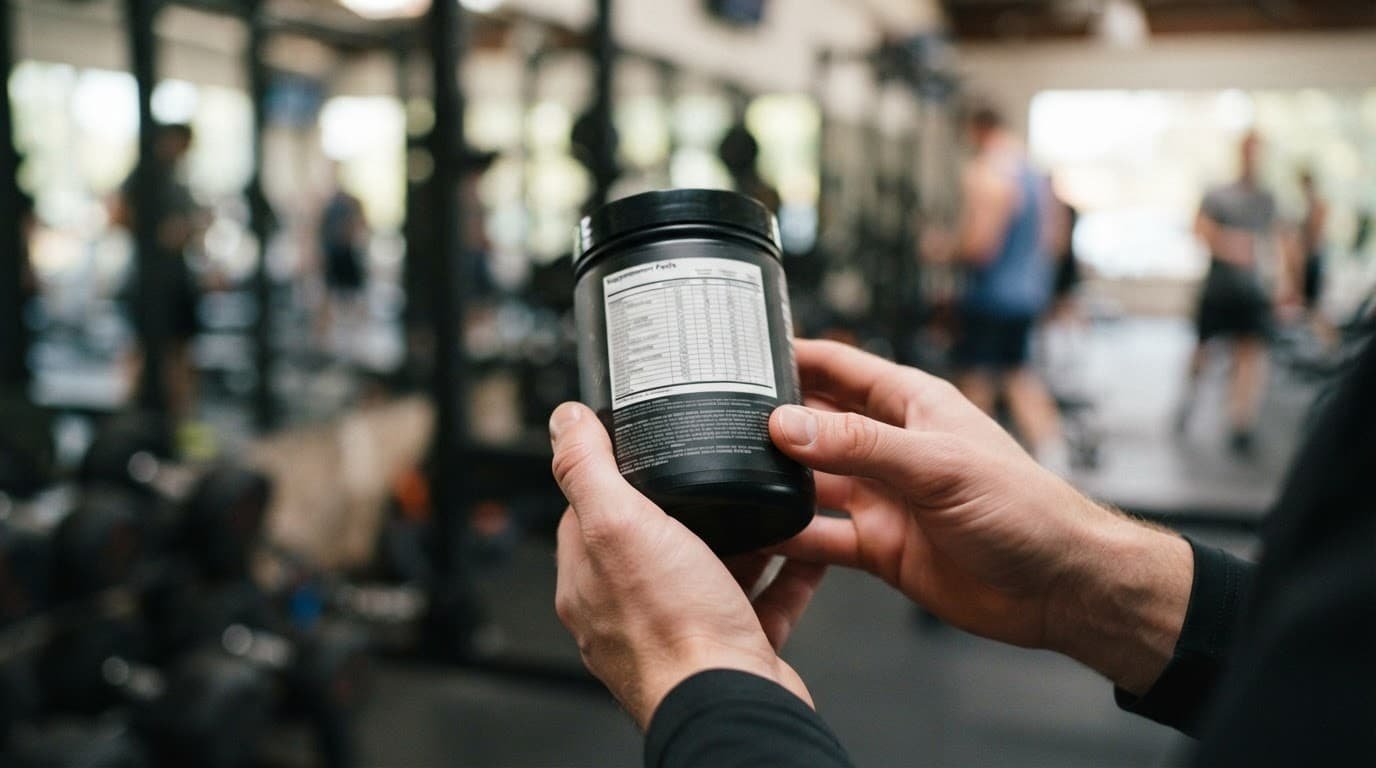
Check the serving size, too. Some pre-workout powder tubs list two scoops as one serving, so the advertised number of servings may not match how you use the product. Also consider added sugar, artificial sweeteners, and flavors if they tend to upset your stomach. If artificial sweeteners cause digestive issues, look for a simpler formula.
Look for a current expiration date and products that are third-party tested, especially if you compete in drug-tested sports. Certifications such as NSF Certified for Sport or Informed Sport can add confidence that a product has undergone screening. Dietary supplements do not undergo strict FDA regulation before reaching store shelves, so these certifications offer additional quality assurance. They don’t make a supplement risk-free, but they provide more reassurance than trusting a loud label.
Cost per serving matters more than the size of the tub. Compare pre-workout supplements at the dose you will actually take, and prioritize quality ingredients and clear labeling to help avoid unnecessary side effects. A lower-priced container isn’t a bargain if it requires two scoops or leaves out clearly listed ingredient amounts.
A formula with fewer, fully disclosed ingredients is often easier to evaluate than a long list with hidden doses.
When to Take Pre-Workout and What to Pair It With
Caffeine usually works best when taken about 30 to 60 minutes before training, whether you’re preparing for endurance training or weight training. That window is useful, not a rigid rule. Your digestion, the product format, and the caffeine content in a pre-workout powder can affect how quickly you feel its effects, especially during endurance training.
For your first try with any pre gym supplement, start with half a serving to gauge your tolerance. Training days are a better testing ground than a competition, a max-out session, or a late-night class. Pay attention to energy, stomach comfort, heart rate, workout intensity, and sleep afterward, along with the product’s caffeine content.
Non-stimulant ingredients work differently. Creatine monohydrate is typically taken regularly to build long-term stores, so exact pre-workout timing is less important for performance or muscle recovery. Beta-alanine also works through repeated intake rather than a one-time rush, helping buffer the effects associated with lactic acid during high-intensity exercise. Its familiar tingling sensation isn’t lactic acid buildup, and it may support workout intensity during high-rep sets over time. A caffeine-free formula can therefore fit any workout time more easily.
Drink water before and during training, especially in a hot gym or during longer sessions. Maintaining electrolyte balance may also matter during prolonged workouts, but pre-workout supplements aren’t a substitute for hydration. If you need food, pair your supplement with a familiar, easy-to-digest snack that includes protein to stimulate muscle protein synthesis and support muscle recovery. Protein sources rich in branched-chain amino acids can help protect muscle mass and complement your pre-workout supplements:
- Fruit with Greek yogurt works well when you have about an hour before training.
- Oatmeal with protein powder can suit a morning strength session.
- A turkey sandwich offers more staying power before an afternoon workout.
A large, high-fat meal right before lifting may sit heavily in your stomach. Leave more time after a full meal, or choose a smaller snack if your session starts soon.
Pre Gym Supplement Safety, Side Effects, and Smart Use
The most common side effects come from heavy doses of stimulant pre-workout products. Too much caffeine, or a caffeine content that exceeds your tolerance, can cause restlessness, a high heart rate, headache, nausea, anxiety, or poor sleep. During high-intensity exercise, these effects may feel especially uncomfortable. If you train late, even a moderate amount can keep you awake long after the workout ends. Regular use may also increase tolerance, making it tempting to take larger servings for the same effect.
Beta-alanine can cause harmless but uncomfortable tingling, often around the face, ears, or hands. These side effects may be noticeable when you take it to help push through muscle fatigue, but they typically aren’t dangerous. Some people also experience digestive issues from sweeteners, large doses, or several ingredients taken at once. Lowering the serving size, taking the product with food, or choosing a simpler formula can help you identify what your body tolerates.
Don’t casually combine pre-workout with an energy drink, strong coffee, fat burner, or stimulant medication. Total caffeine content matters more than where it came from, and stacking products can quickly push your intake beyond a comfortable level. A recent review of pre-workout supplements and cardiovascular health discusses why caffeine and other stimulant ingredients deserve extra care.
Because these products are dietary supplements, look for clear ingredient labels and, when possible, choose dietary supplements that are third-party tested for quality and accuracy. This approach can help protect your health and support long-term athletic performance when using pre-workout supplements.
People who are pregnant, under 18, sensitive to caffeine, or managing heart, blood pressure, anxiety, kidney, or other health conditions should speak with a qualified health professional first. The same applies if you take prescription or over-the-counter medications, since interactions can occur.
Stop using a product and seek medical care for severe symptoms such as chest pain, fainting, trouble breathing, or an irregular heartbeat. For a broader consumer perspective, University Hospitals outlines concerns around high-risk pre-workout ingredients.
Frequently Asked Questions
Can I use coffee instead of a pre gym supplement?
Yes. Coffee can provide caffeine before training and often costs less than a blended pre gym supplement. However, it doesn’t usually contain ingredients such as L-citrulline or creatine monohydrate, which may support blood flow, training capacity, and athletic performance. Count its caffeine alongside every other caffeinated drink you have that day.
Is a pre gym supplement safe to take every day?
Safety depends on the formula, caffeine content, serving size, your health, and total daily stimulant intake. Using high-caffeine pre-workout supplements every day can build tolerance, interfere with sleep, or cause side effects such as jitters, headaches, or a rapid heartbeat. Follow the label, take breaks if it affects your sleep, and discuss frequent use with a qualified professional.
What is the best pre-workout for beginners?
Beginners should start with a simple, clearly labeled pre-workout powder, or skip supplements altogether at first. A low-caffeine or stim-free pre-workout is a practical choice if you don’t know your tolerance. Try half a serving instead of copying an experienced lifter’s dose.
Can pre-workout help with weight loss?
Pre-workout supplements may increase focus during weight training, but they don’t directly cause meaningful fat loss or build muscle mass on their own. Calorie intake, resistance training, daily movement, protein, and sleep have a much larger effect on overall fat loss and body composition. Be skeptical of products marketed as rapid fat burners.
Final Thoughts
The best pre gym supplement should match your workout schedule, goals, caffeine tolerance, and health needs. When paired with a well-designed training program for building muscle mass, pre-workout supplements may support athletic performance and help you train with greater consistency.
Choose a transparent, third-party tested formula, start with a small serving, and avoid combining multiple stimulants in the same day. Proper hydration, balanced nutrition, quality sleep, and muscle recovery remain the foundation of progress, and no supplement can replace the fundamentals of a healthy training routine.
Anytime Fitness Workouts for Beginners: A Simple 20-Minute Start