Gym bags can become a messy black hole fast. You need room for clothes, shoes, toiletries, and a towel, yet you don’t want to haul an oversized duffel through the parking lot every day.
If your Amazon search starts with “bags gym,” consider how your active lifestyle shapes the way you train and travel. The right choice depends on capacity, compartments, materials, carrying comfort, and price, not just a familiar logo. A bag that works for a quick lifting session may fail when you add shower gear or a weekend trip.
Key Takeaways
- A medium duffel suits most daily workouts, with room for clothes, shoes, and a towel.
- Separate shoe and wet-item storage keeps clean gear away from sweat and odor in workout bags.
- Backpacks work well for a daily commute, while duffels offer easier access to bulky gear.
- Check zippers, seams, strap padding, and customer photos before choosing an Amazon listing.
- Empty damp items after every workout to keep any gym bag fresher for longer.
Best bags gym shoppers can find on Amazon
Amazon listings change by seller, color, size, and availability, so always review the current product page before buying. Still, several recognizable bag lines give shoppers a useful starting point when comparing gym bags.
The adidas Defender duffel is a practical everyday option for people who want a straightforward sports duffle bag. Its familiar shape usually offers a wide main compartment and exterior pockets for smaller items. It suits regular gym sessions, school sports, and casual travel. However, versions differ, so check the listing to confirm pocket layout, shoulder straps, and size.
Under Armour’s Undeniable duffel line often appeals to people who prefer more organization. Many versions include separate pockets and a structured base, which can help when shoes, toiletries, and clean clothes share the same trip. These features can add bulk, though, especially if you only carry a shirt and water bottle.
Nike Brasilia bags are another common choice for buyers who want a recognizable athletic brand and a simple layout. A medium version can work well for lifting, classes, or team practices. Before ordering, look closely at the listed dimensions. Product photos can make a compact duffel look larger than it feels once packed.
### A reliable everyday duffel for most gym routines
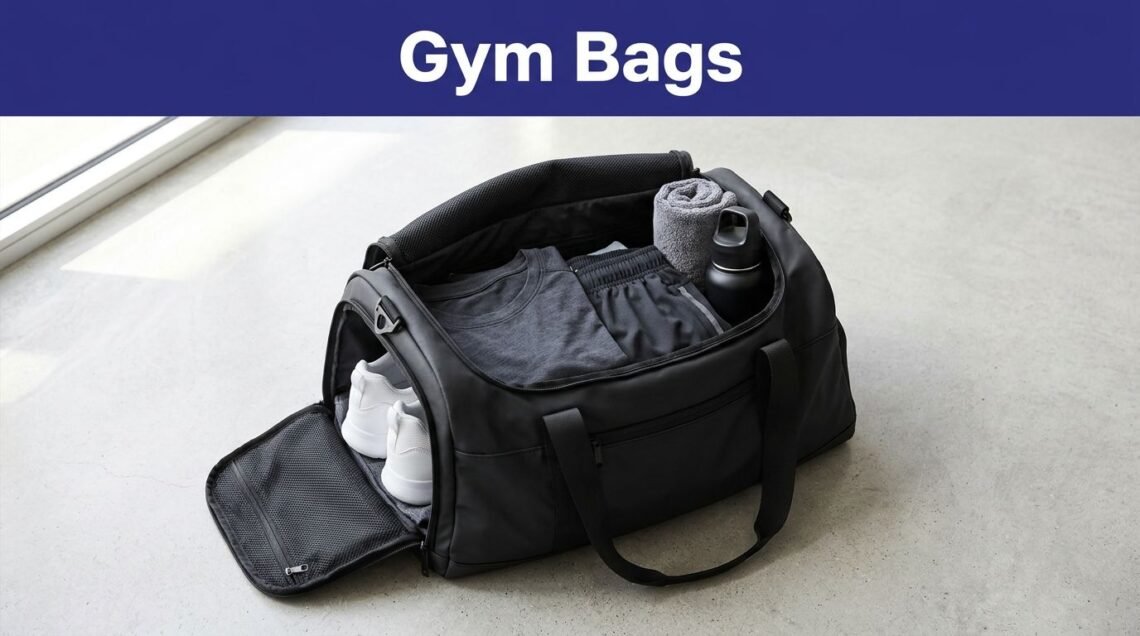
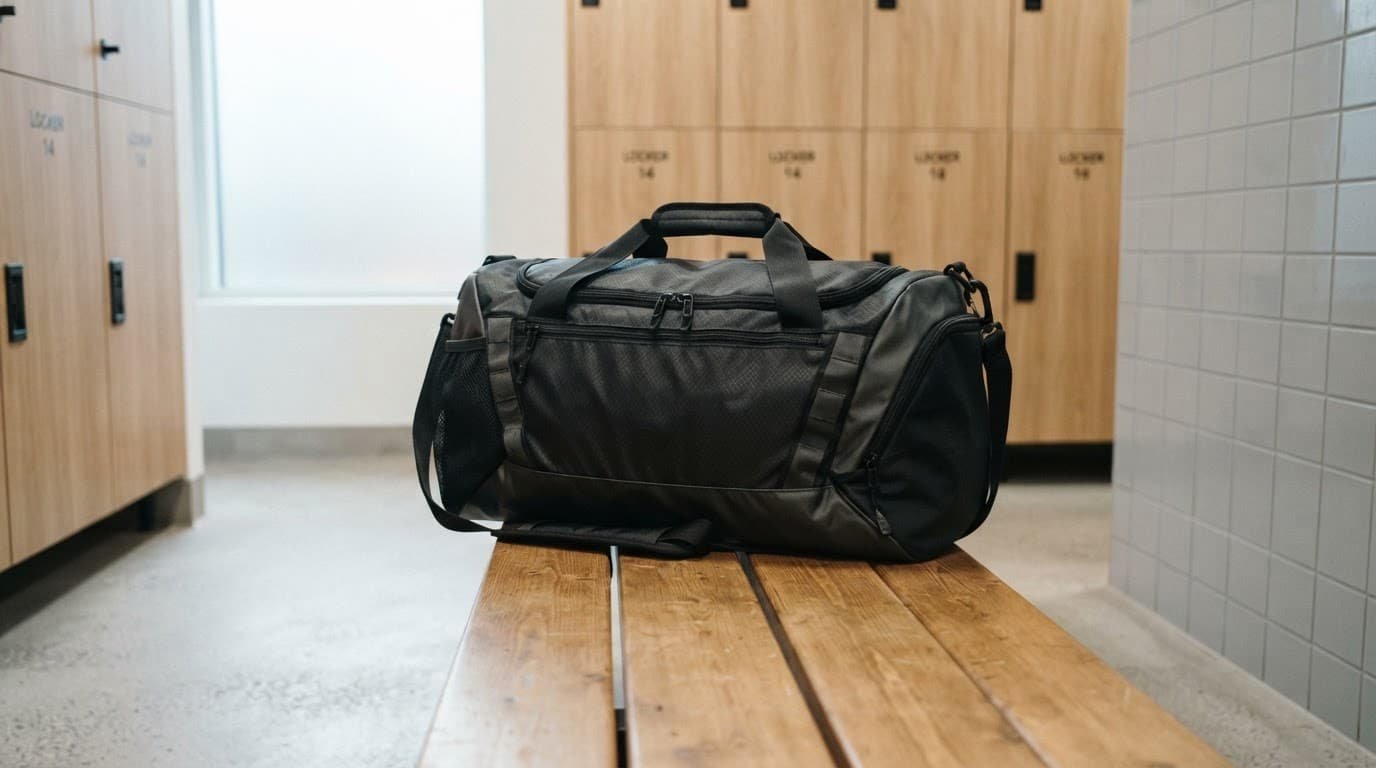
For most people, a medium-sized duffel is the sensible middle ground. It can hold workout clothes, a small towel, a water bottle, headphones, and basic accessories without becoming awkward in a locker room.
The adidas Defender is a good example of this format. Look for a version with a sturdy shoulder strap, a wide zip opening, and at least one small exterior pocket. Those details make it easier to find keys or a membership card without unloading the bag.
Avoid sizing up out of habit. Empty space lets loose items slide around, and a large duffel can tempt you to carry more than you need.
Gym bags with separate shoe and wet-item storage
A dedicated shoe compartment earns its place when you wear running shoes outdoors, play court sports, or shower after training. It keeps dirty soles away from clean clothes. A wet pocket can help separate damp swimwear or workout gear, but ventilation doesn’t replace removing shoes and wet items once you get home.
BAGSMART and MIER duffels are worth comparing if pockets matter more than brand recognition. Some versions include shoe sections, wet pockets, or several zip areas. Those layouts are useful for swimmers, team athletes, and gym-goers carrying a change of clothes.
A ventilated shoe pocket reduces contact between gear, but trapped moisture can still create odors if you leave the bag packed overnight.
Extra compartments also take up interior room. Choose them because they solve a real packing problem, not because a bag has the most zippers.
Affordable gym duffels and larger options for travel
Budget-minded shoppers often find WANDF duffels appealing because they focus on basic storage and portability. Larger BAGSMART or MIER bags can also double as a travel bag when you need shoes, clothes, and toiletries in one place.
Price alone doesn’t show value. Read the product details for fabric type, zipper design, reinforced stitching, strap padding, and return terms. Then scan recent customer photos to see how the bag holds its shape when filled.
Searches for “bags gym” often pull up lightweight foldable options. They can work for occasional use, but frequent lifters and athletes may prefer stronger fabric and better shoulder support.
How to choose the right gym bag for your routine
Start with what goes in the bag every week. A person who changes clothes after a 45-minute workout needs less space than someone who carries cleats, a laptop, lunch, and shower supplies. The best workout bags match your routine instead of adding unnecessary bulk.
Pick the right size and capacity
A small gym bag fits basics such as clothing, a water bottle, headphones, and a lock. It works best for short sessions or people who keep shoes in the car.
A medium bag is usually the most flexible option. It has room for shoes, a towel, toiletries, and a change of clothes. For many daily gym routines, this is enough space without unnecessary bulk.
A large duffel makes sense for team sports, swimming, overnight travel, or bulky training gear. It can also accommodate weightlifting equipment such as lifting shoes, straps, or wraps, along with multiple changes of clothing. Measure the items you already carry, then compare them with the dimensions on the listing. Don’t rely on capacity labels alone.
Look for compartments that solve everyday problems
Useful compartments improve storage organization and reduce friction before and after training. A dedicated shoe compartment helps runners and court athletes. A water-resistant section can hold a damp swimsuit or sweaty shirt. An exterior zip pocket keeps valuables closer at hand.
Commuters may need a padded laptop sleeve, bottle holder, or key clip. On the other hand, a simple main compartment is often easier to pack if your routine is basic.
Keep the layout realistic. Too many shallow pockets can make a bag harder to use, especially when larger gear competes for space.
Check comfort, durability, and easy cleaning
A padded shoulder strap matters once a bag is full. Strong grab handles help when you lift it into a locker or car trunk. Look for reinforced seams, smooth zippers, and fabric that can handle regular contact with floors and benches.
Water resistant fabric can protect gear from light rain or a damp locker-room surface. It is not the same as waterproof construction. Don’t assume a wet towel or leaking bottle will stay contained.
After each workout, empty the bag and air it out. Follow the care label for washing, and wipe the interior if a bottle leaks. This simple habit protects both the bag and the gear inside it.
Gym bag styles compared: duffel bags, backpacks, and hybrid bags
The best format depends as much on your commute as your workout, especially if your daily commute includes walking, biking, or public transit.
Duffel bags offer space and quick access
Duffel bags are popular because their wide openings make packing simple. They work well for weight training, locker rooms, team sports, and short trips. You can see most of the contents at once instead of digging through stacked compartments.
Their main drawback is uneven weight on one shoulder. A packed duffel can also feel clumsy on public transit, while cross body bags may offer a lighter option for smaller loads. In OutdoorGearLab’s duffel bag testing, stowable backpack straps and multiple grab handles are useful details for heavier loads.
Gym backpacks make commuting easier
A gym backpack distributes weight across both shoulders, which helps when walking, biking, or riding the train. Many include laptop sleeves and bottle pockets, so they fit a work-to-gym routine well. Tactical backpacks can also provide durable materials and organized storage, although their structured designs may feel heavier.
However, a gym backpack may feel tight once you add bulky shoes, a towel, and shower gear. Choose one with a wide opening if you want easier packing.
Hybrid bags balance storage and hands-free comfort
A hybrid bag combines duffel-style storage with backpack straps. It suits frequent commuters who still want room for sports gear. Before buying, check the strap padding, adjustment range, handle placement, and the bag’s empty weight.
How to shop for gym bags on Amazon with confidence
Compare the full product title, material description, size chart, and photos before adding anything to your cart. Color variations sometimes have different dimensions or features, so don’t assume every version matches the first image. If you need a waterproof gym bag, check whether the listing promises fully waterproof construction or only water-resistant fabric.
Read reviews for real-world performance
Search reviews for words such as “zipper,” “strap,” “smell,” “stitching,” “shoe compartment,” “water resistance,” and “size.” Look for comments about durable materials and heavy duty zippers from people with routines similar to yours.
A star average is less useful than repeated details about seam wear or failed zippers after months of use. Customer photos can also reveal whether the stated size fits shoes, towels, clothing, and other essentials as expected.
Pack a gym bag so it stays clean and organized
Put shoes in a separate compartment or washable pouch. Keep clean clothes in the main section, toiletries and small fitness accessories in a zip pouch, and valuables in an interior or exterior zip pocket.
Place wet gear in a sealed or ventilated area, then remove it as soon as possible. Wipe down the interior after use. Product specifications, shipping terms, and availability can change, so confirm the current listing before purchase.
Frequently Asked Questions
What size gym bag should I buy?
A medium bag is enough for most daily workouts. Choose a larger size if you carry shoes, shower items, extra clothes, or sports equipment. Someone doing CrossFit training may need extra room for gear, while an endurance athlete might prioritize space for hydration items and a change of clothes. Compare listed dimensions with items you already own before ordering.
Are gym backpacks better than duffel bags?
A gym backpack is usually better for commuting, cycling, and carrying a laptop. Duffel bags offer wider access and more flexible space for shoes, towels, and bulky equipment, while a sports duffle bag can be a practical choice for heavier gear. Your route to the gym should guide the choice.
What should every gym bag include?
Pack workout clothes, shoes, a towel, water bottle, headphones, and any toiletries you use. A small pouch for wet clothing is also helpful. Your exact list will depend on the workout and whether you shower at the gym.
How do I stop my gym bag from smelling?
Remove sweaty clothes and shoes promptly, then let the bag air out. Wash it according to the care label and use washable pouches for damp items. Fragrance sprays only hide odors when moisture stays trapped inside.
Can a gym bag also be used as a carry-on?
Some compact duffels can work as personal items or carry-ons. Airline limits differ, so measure the bag after packing it and check your airline’s current baggage rules before traveling.
Choose a Bag That Fits Your Actual Routine
The best gym bags aren’t always the largest or most expensive option. Choose one with enough room for your normal load, practical compartments for training gear, comfortable carrying options, durable materials, and an interior you can clean easily. Depending on your routine, duffels or athletic tote bags may offer the right balance of space and convenience, while a versatile design can also function as a travel bag.
Compare current Amazon listings carefully, especially dimensions, recent reviews, and seller terms. When your bag matches your workout, commute, and budget, packing for the gym becomes one less thing to manage.
Anytime Fitness Workouts for Beginners: A Simple 20-Minute Start