You can lose weight without counting calories by turning every meal into a simple routine instead of a math problem. A calorie deficit without counting calories comes from repeatable habits that make filling foods easier to choose and oversized portions less automatic.
The goal isn’t to eat as little as possible. It is to manage your daily calorie intake to create a modest gap between the energy you eat and use, all while fitting a realistic weight loss diet into your life, having energy, and staying flexible around real moments.
Key Takeaways
- A calorie deficit happens when your body uses more energy than it takes in over time, which allows you to lose weight without counting calories.
- Build meals around vegetables, protein, and high-fiber carbohydrates to improve your diet quality and stay full on fewer calories.
- Focus on whole foods and smart portion control using plates, bowls, and hand sizes to guide quantity instead of tracking every detail of your calorie intake.
- Liquid calories, distracted snacking, and eating ultra-processed foods straight from packages can erase a deficit without feeling like much food.
- Weight loss is rarely linear, so judge habits and trends over several weeks, not one morning’s scale reading.
Start With the Energy Balance, Not Perfection
Weight change is influenced by many things, including sleep, stress, activity, medications, hormones, water retention, and potential weight gain. Still, an energy deficit is the central driver of fat loss over time. A review of diet strategies for weight loss and maintenance found that calorie restriction and diet quality can work when they help a person maintain that underlying deficit.
That does not mean you need to know every number. Instead, you can create conditions where your usual calorie intake contains fewer calories and provides more fullness.
For example, a large bowl of pasta with creamy sauce can disappear quickly because of its high energy density. Add chicken, mushrooms, spinach, and a side salad, then use a smaller pasta portion. You still eat pasta, but the meal has more volume and protein.
A deficit also does not need to be identical every day, and factoring in metabolic adaptation helps keep your approach realistic. Restaurant meals, holidays, and social events happen. What matters most is the pattern you return to during ordinary weekdays, rather than turning a rigid weight loss diet into an all-or-nothing trap.
A plan that leaves you constantly hungry is hard to sustain, even if it looks perfect on paper.
How to Create a Calorie Deficit Without Counting Calories With the Plate Method
The plate method gives each meal a simple structure, making it much easier to lose weight without counting calories. At lunch and dinner, fill roughly half your plate with non-starchy vegetables, reserve one quarter for protein, and use the remaining quarter for a starch or other carbohydrate. This approach relies on smart portion control rather than rigorous data tracking.
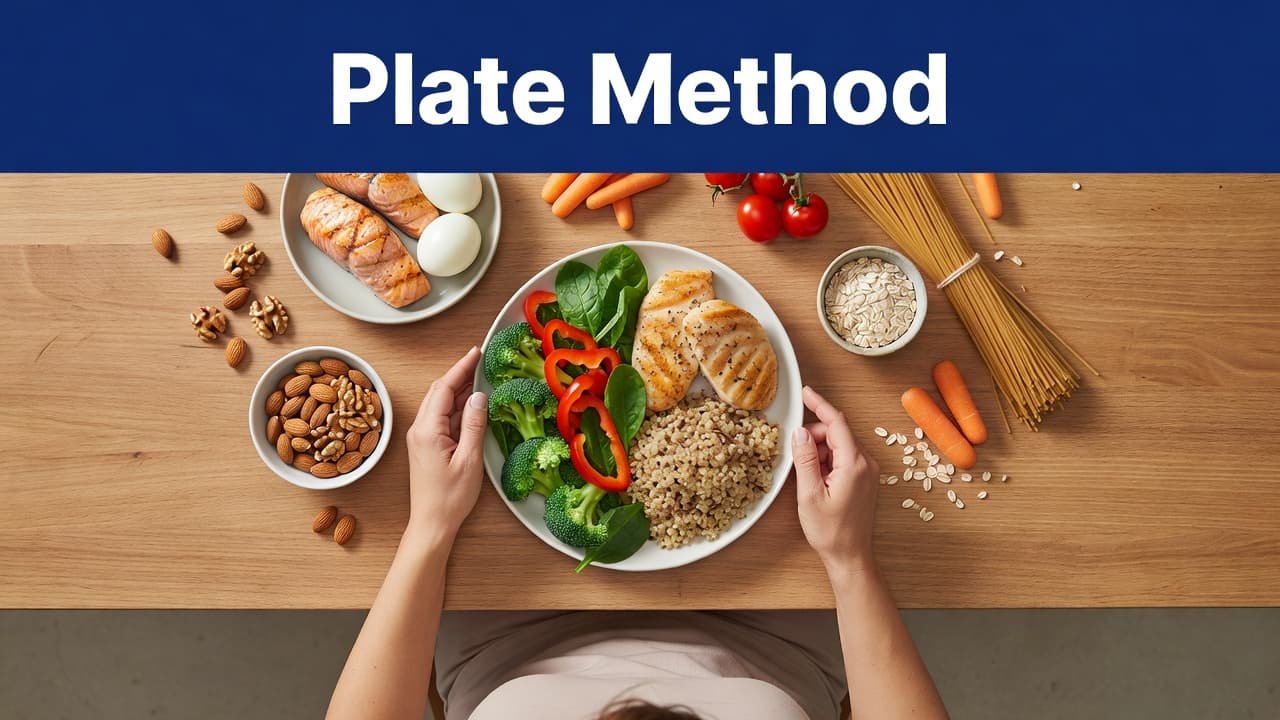
These high-fiber plant foods add water, fiber, color, and crunch for relatively few calories. Roasted broccoli, green beans, peppers, salad greens, cauliflower, zucchini, tomatoes, and cabbage all work. Frozen vegetables count too, and they often make weeknight meals easier.
Choose a protein you enjoy, such as eggs, Greek yogurt, chicken, fish, tofu, tempeh, beans, lentils, cottage cheese, or lean beef. Managing your protein intake can help meals feel more satisfying, which may reduce the urge to keep searching the kitchen an hour later.
Then include a carbohydrate portion that fits your appetite and activity. Potatoes, rice, oats, quinoa, whole-grain bread, corn, fruit, and beans can all belong in a weight loss diet. Relying on whole foods, including carbohydrate sources rich in soluble fiber, helps support long term weight management. Carbs are not the problem. Portions and meal balance matter more.
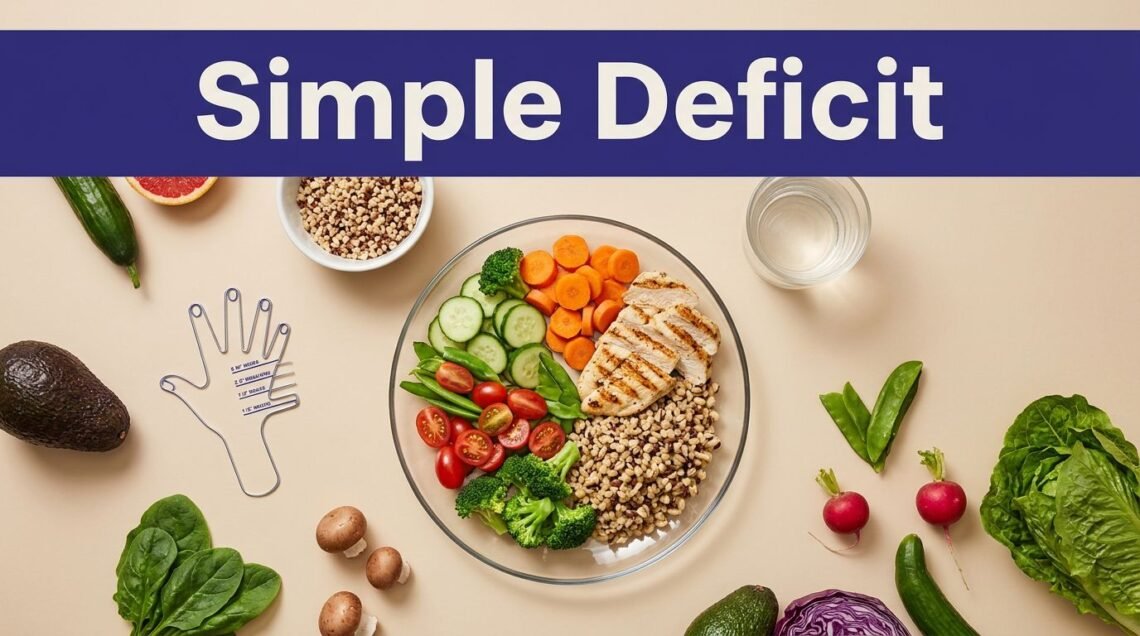
When a plate isn’t practical, use your hand as a rough guide. A palm-sized portion of protein, a fist or two of vegetables, a cupped hand of starch, and a thumb-sized amount of fats gives you a useful starting point. Larger, more active bodies may need more food. Smaller or less active bodies may feel best with less.
Use this approach for most meals, rather than trying to make every plate look identical.
Make Fullness Work in Your Favor
A calorie deficit without counting calories becomes easier when food keeps you satisfied between meals. Managing your protein intake and focusing on appetite regulation help keep hunger hormones stable throughout the day. This is where protein, fiber, and food volume matter.
Start meals with protein and vegetables when you can, as a higher protein intake naturally supports satiety. If you are having a sandwich, add a piece of fruit and crunchy vegetables. If breakfast is cereal, pair it with Greek yogurt or eggs. If dinner is rice-based, add edamame, shrimp, chicken, or tofu before reaching for a second serving.
Fiber helps too, especially because soluble fiber supports your gut microbiome and slows digestion. Whole fruit is usually more filling than juice. Oats tend to satisfy longer than a pastry. Beans and lentils bring both protein and fiber to soups, bowls, tacos, and salads. Harvard Health’s guidance on eating for a calorie deficit also emphasizes nutrient-dense foods and a sustainable pace.
You don’t need to ban favorite foods. Instead, change the supporting cast. Hyper-palatable foods and processed foods can spike your calorie intake if you are not paying attention, but you can balance them. Have pizza with a large salad and a protein-rich topping. Put ice cream in a bowl rather than eating from the carton. Add berries to a dessert rather than treating them as a replacement for dessert.
Liquid calories and ultra-processed foods deserve attention because they often do little for fullness and have a high energy density. Regular soda, sweetened coffee drinks, juice, alcohol, and large smoothies can add up fast. Ultra-processed foods and other heavily processed foods are easy to overconsume because they lack the fiber needed to signal fullness. Water, sparkling water, unsweetened tea, and coffee with modest additions are easy swaps. Keep beverages you truly enjoy, but make them a conscious choice rather than an automatic daily habit.
Use Portions and Your Environment to Reduce Mindless Eating
You don’t need a food scale to notice when portions have crept up. Serving food onto a plate or bowl gives you a clear stopping point. Eating crackers, nuts, cereal, or chips from the package makes it much harder to track your daily calorie intake, especially when grazing on hyper-palatable foods.
A smaller bowl can help with snacks and desserts. It does not make food forbidden. It simply puts a boundary around processed foods that are easy to overeat when you want to lose weight without counting calories.
Your kitchen can also make routine choices less tiring. Keep fruit on the counter, washed vegetables at eye level, and filling snacks where you can see them. Put ultra-processed foods you tend to eat absentmindedly in less visible spots. You do not need to keep every treat out of the house, especially if that makes you feel deprived. However, an open bag of processed foods on the counter creates more decisions than a portioned snack in a cupboard.
Try planning meals before hunger becomes urgent. Three meals and one planned snack may suit many people. Others prefer time-restricted eating or two larger meals and a snack. The useful structure is the one that prevents long stretches without food followed by an evening of grazing, which often leads to unintended weight gain and a higher calorie intake.
Slow down when possible. Sit at a table, plate your food, and practice mindful eating by keeping screens away for at least one meal each day. Fullness signals take time, while distracted eating of ultra-processed snacks makes it easy to miss them and experience weight gain over time.
Move More, Sleep Enough, and Watch the Trend
Physical activity supports health and can increase daily energy use, but it should not feel like punishment for eating. Walking is a practical place to start because it is accessible, low-cost, and easy to repeat. A short walk after meals may also become a calming routine.
Strength training helps preserve muscle while losing weight, particularly when paired with enough protein intake. Harvard Health recommends at least 150 minutes of moderate-intensity physical activity each week for adults, though your starting point may be lower. Two brisk 10-minute walks are still more useful than waiting for a perfect workout plan.
Sleep quality matters because exhaustion can make convenience food and large portions more tempting. Poor sleep quality and elevated stress levels can make calorie restriction feel much harder than it needs to be, while also negatively impacting your gut microbiome. Set a realistic bedtime, manage your stress levels, eat regular meals, and avoid treating a rough night as a reason to abandon your routine.
Check progress with more than the scale. Notice your energy, hunger, digestion, how clothes fit, and whether your habits feel manageable. Body weight can rise temporarily after salty meals, travel, strength workouts, and hormonal changes, which can sometimes be mistaken for actual weight gain. Look at the overall direction across several weeks to support long-term weight management.
If nothing changes after several consistent weeks, make one small adjustment. Reduce restaurant meals, switch a daily sweet drink, add vegetables to dinner, or tighten up unplanned snacks, especially if you are eating too many ultra-processed foods or other processed foods. You might also experiment with time-restricted eating. Avoid changing everything at once because you will not know what helped, and watch out for unexpected weight gain.
People who are pregnant or breastfeeding, under 18, managing an eating disorder or a history of disordered eating, or living with a medical condition should speak with an appropriate healthcare professional before pursuing weight loss. A registered dietitian or clinician can also help if hunger, medications, or health concerns make this approach difficult.
Frequently Asked Questions
Can I still lose weight if I eat out at restaurants without counting calories?
Yes, you can still make progress when dining out by focusing on the plate method principles. Try to fill half your plate with vegetables or order a side salad, choose a protein-centric main dish, and be mindful of your portions with starches and calorie-dense sauces.
How do I know if I am in a calorie deficit without tracking numbers?
Your body’s signals and long-term trends are your best indicators rather than a mobile app. If your clothes feel looser and your multi-week weight trend is gradually moving downward without leaving you constantly exhausted, your routine is working.
What should I do if my weight loss stops after a few weeks?
Instead of drastically cutting your food intake, look for small, easy adjustments to make in your daily environment. You might swap out a sugary drink, add an extra serving of vegetables to dinner, or reduce unplanned snacking on ultra-processed foods.
A Sustainable Deficit Leaves Room for Real Life
The most reliable approach is usually the least dramatic one. Build meals that satisfy you, focus on diet quality by prioritizing whole foods over ultra-processed foods, and make everyday movement part of your routine.
A calorie deficit without counting calories can be flexible enough for pasta nights, birthdays, travel, and changing schedules. By limiting ultra-processed foods, you can naturally manage your calorie intake and avoid unexpected weight gain. When you want to lose weight without counting calories, consistent habits matter more than perfect days, and progress has room to be uneven.Healthy Weight Loss in 2026: A Beginner’s Guide to Getting Started