
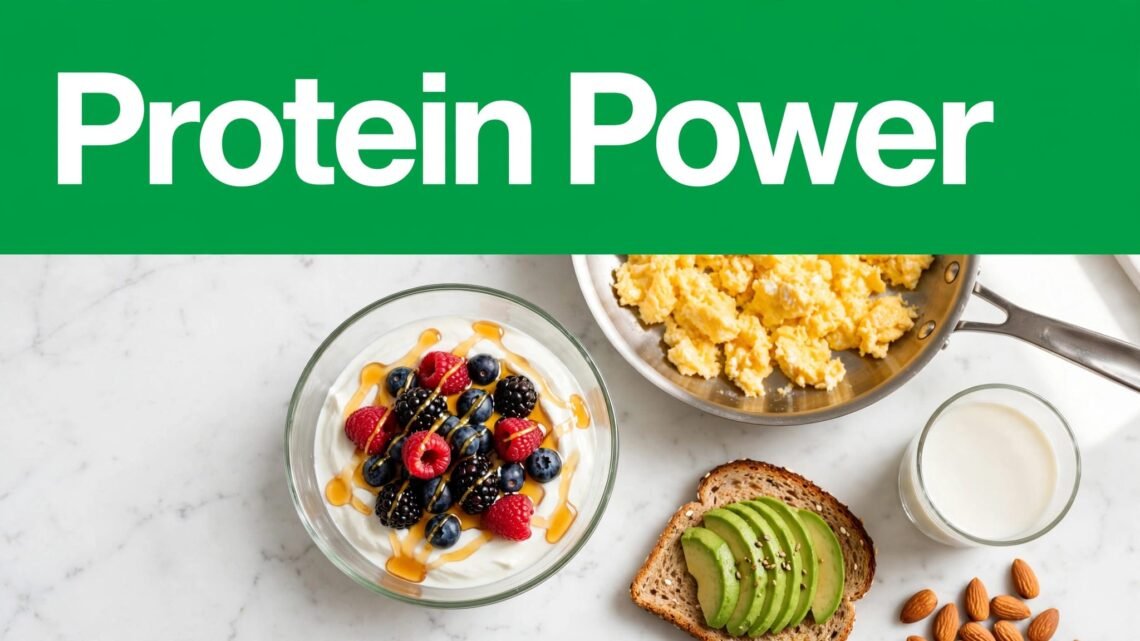
A rushed morning can make a filling breakfast feel out of reach. This list of high-protein breakfast ideas uses ordinary ingredients, a microwave, or one skillet.
Each of these high protein breakfast meals takes 15 minutes or less and can support satiety and fullness while helping you meet daily protein intake. Protein needs differ by age, body size, activity, health, and total food intake, so adjust portions to fit your needs.
Key Takeaways
- Most of these breakfasts provide about 20 to 30 grams of protein per serving.
- Eggs, Greek yogurt, cottage cheese, beans, tofu, fish, and soy milk are practical protein staples.
- Pair protein with fruit, vegetables, whole grains, or seeds for a more satisfying meal.
- Frozen produce, canned beans, and prepped ingredients can shorten morning cooking time.
- Check labels for added sugar, sodium, allergens, and serving sizes.
10 High-Protein Breakfasts You Can Make in Under 15 Minutes
Prep times assume basic kitchen equipment and ready-to-use ingredients. Protein estimates vary with brands, portions, and toppings. These high-protein breakfast ideas also include flexible swaps for different tastes.
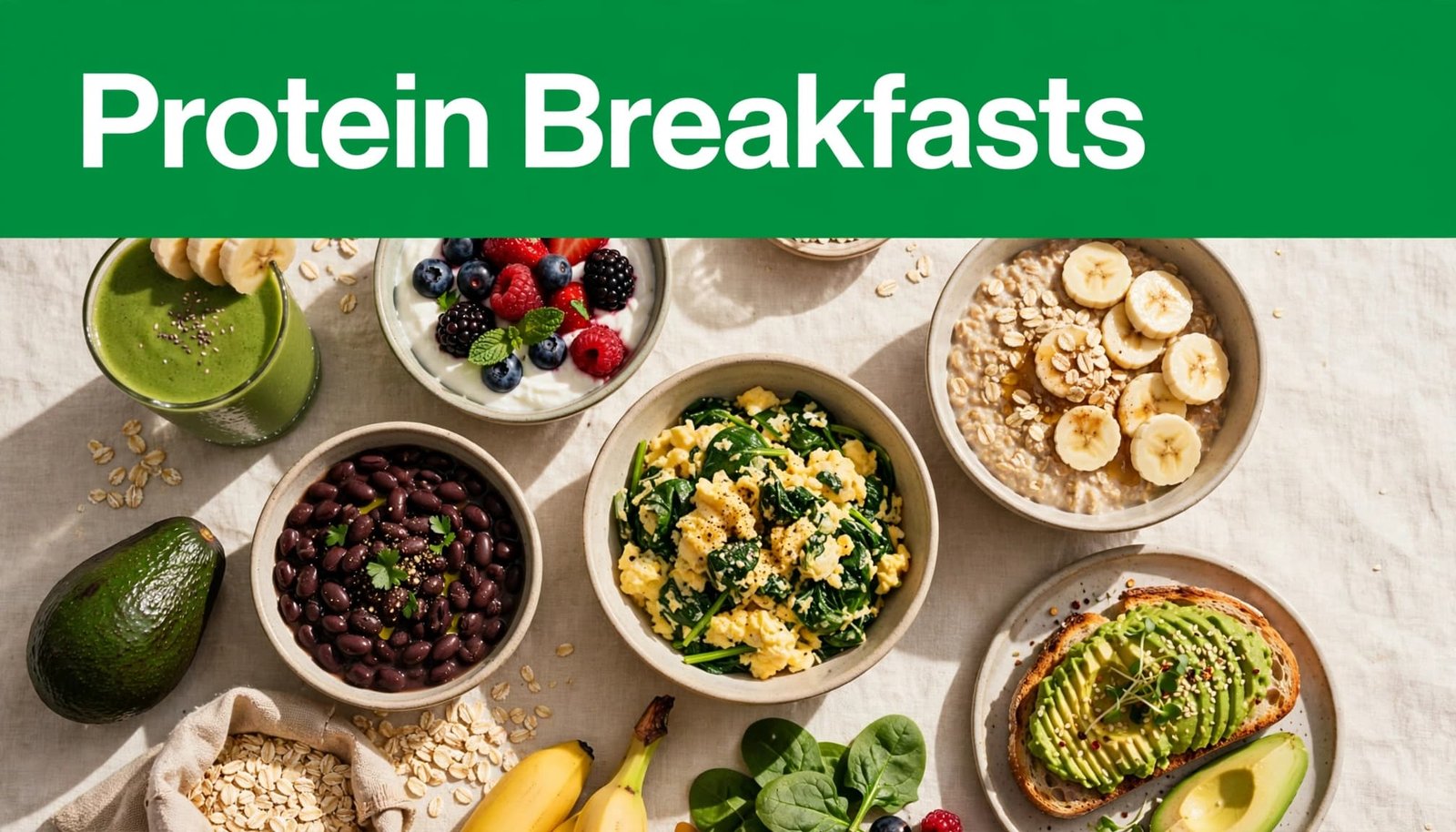
Greek Yogurt Parfait With Berries and Crunchy Toppings
Layer 1 cup plain Greek yogurt with berries, 1/4 cup oats or high-fiber granola, and a tablespoon of walnuts, almonds, or seeds. Unsweetened yogurt and ripe fruit keep added sugar low.
It takes 3 to 5 minutes and provides about 20 to 25 grams of protein. Try diced peaches, cinnamon, or pumpkin seeds instead of nuts.
Scrambled Eggs With Cottage Cheese and Spinach
Cook a handful of fresh or frozen spinach in a lightly oiled skillet. Add two beaten eggs and 1/2 cup cottage cheese, then fold gently until the eggs are set but still soft.
You can also bake the mixture as cottage cheese egg bites for a make-ahead option. A prepared batch-style breakfast casserole works when you need several servings.
Add whole-grain toast if you want more carbohydrates. This breakfast takes under 10 minutes and has about 25 to 30 grams of protein.
Peanut Butter Banana Protein Oatmeal
Microwave 1/2 cup quick oats with milk or fortified soy milk. Stir in powdered peanut butter or regular peanut butter, then top with sliced banana and chia seeds.
For a no-cook variation, combine the ingredients as overnight oats. Protein pancakes are another quick option when you want a different breakfast format.
Powdered peanut butter lowers fat and calories, although regular peanut butter works well. This dairy-free-friendly bowl takes 5 to 7 minutes and offers about 18 to 25 grams of protein.
Smoked Salmon and Cottage Cheese Toast
Spread 1/2 cup cottage cheese over whole-grain toast, then add smoked salmon, cucumber, tomato, lemon, and dill. The contrast of cool cottage cheese and salty fish makes this feel more substantial than plain toast.
It takes about 5 minutes and provides 20 to 25 grams of protein. Smoked salmon can contain a lot of sodium, so use a smaller portion or swap in leftover cooked salmon.
Black Bean and Egg Breakfast Tacos
Warm two corn or whole-wheat tortillas and 1/2 cup rinsed black beans. Fill with scrambled eggs, salsa, and optional shredded cheese or avocado.
Rinsing canned beans can reduce excess sodium. For a faster version, microwave the beans and tortillas first, then cook the eggs. Expect 20 to 25 grams of protein in 10 to 12 minutes.
Fast Turkey and Cheese Breakfast Wrap
Cook eggs or egg whites with spinach or diced bell peppers in one skillet. Add them to a whole-wheat tortilla with sliced turkey and cheese, then roll tightly and warm the seam-side down.
The filling can also be rolled into breakfast burritos or served in breakfast sandwiches. These are format variations, not additional recipes.
This portable option takes 10 to 12 minutes and supplies about 25 to 30 grams of protein. Choose lower-sodium turkey when you can find it.
High-Protein Smoothie With Yogurt and Fruit
Blend Greek yogurt with milk, frozen berries or banana, spinach, and nut butter or chia seeds. Add milk a little at a time until the smoothie reaches your preferred thickness.
Add protein powder if you want more protein, but it isn’t required. Skip sugary juice, which can overwhelm the fruit’s flavor and add little protein. Use silken tofu and fortified soy milk for a dairy-free version. Prep time is 5 minutes, with 20 to 30 grams of protein.
Tuna and Avocado Breakfast Toast
Mix canned tuna packed in water with mashed avocado, lemon juice, and black pepper. Spoon it over whole-grain toast for a savory breakfast with no pan to wash.
Check labels for sodium and review FDA advice about tuna and seafood choices if fish is a frequent part of your routine. Canned salmon or mashed chickpeas also work. This takes 5 to 7 minutes and has 20 to 25 grams of protein.
Cottage Cheese Bowl With Fruit and Seeds
Spoon 1 cup cottage cheese into a bowl, then add berries, sliced pear, pumpkin seeds, walnuts, cinnamon, and a small drizzle of honey if desired. Low-fat and full-fat cottage cheese both work, so choose the one you enjoy.
This three-minute meal provides around 25 to 30 grams of protein. For extra crunch, add toasted oats or a small handful of cereal.
Microwave Egg and Edamame Breakfast Bowl
Beat two eggs in a microwave-safe bowl with shelled edamame and salsa. Microwave in short intervals, stirring once or twice, until the eggs are fully set.
For a vegetarian alternative, use a tofu scramble instead of eggs. Serve with leftover brown rice or whole-grain toast. Peas or black beans can replace edamame. This warm bowl takes 8 to 10 minutes and has about 20 to 25 grams of protein.
How to Build High Protein Breakfast Meals That Keep You Full
A satisfying breakfast combines protein with fiber-rich carbohydrates, colorful produce, and a source of fat. The USDA’s MyPlate food group guide offers a useful reminder to include foods from different groups rather than relying on one ingredient.
Choose a Reliable Protein Base
Start with protein sources such as eggs, Greek yogurt, cottage cheese, milk, fish, poultry, nuts, or seeds. For plant based protein, choose fortified soy milk, tofu, beans, edamame, or pea-based products. Protein powder is optional, not required.
Compare packages because protein amounts differ widely. A flavored yogurt may have less protein and more added sugar than plain Greek yogurt, while a plant-based yogurt may need a soy or pea protein boost.
Add Fiber, Color, and Staying Power
Oats, whole-grain bread, beans, fruit, vegetables, and ground flax add fiber and nutrients. Nuts, seeds, or avocado can round out the meal with healthy fats. Pair eggs with spinach and toast, or combine yogurt with berries and seeds.
If high-fiber meals are new to you, increase fiber and fluids gradually. That approach can be more comfortable than changing everything at once.
Save Time and Keep Ingredients Ready
For breakfast meal prep, try these meal prep ideas: hard-boil eggs, wash fruit, portion oats, and freeze smoothie ingredients. These components can anchor a make ahead breakfast. Batch-cooked baked oatmeal or a breakfast casserole can use eggs, vegetables, or whole grains, while smoothie portions stay freezer friendly. Keep canned beans, frozen vegetables, tortillas, and shelf-stable tuna on hand for quick high protein breakfast meals.
Cooked eggs, dairy foods, fish, and leftovers need prompt refrigeration. Follow package directions and reheat foods until hot throughout.
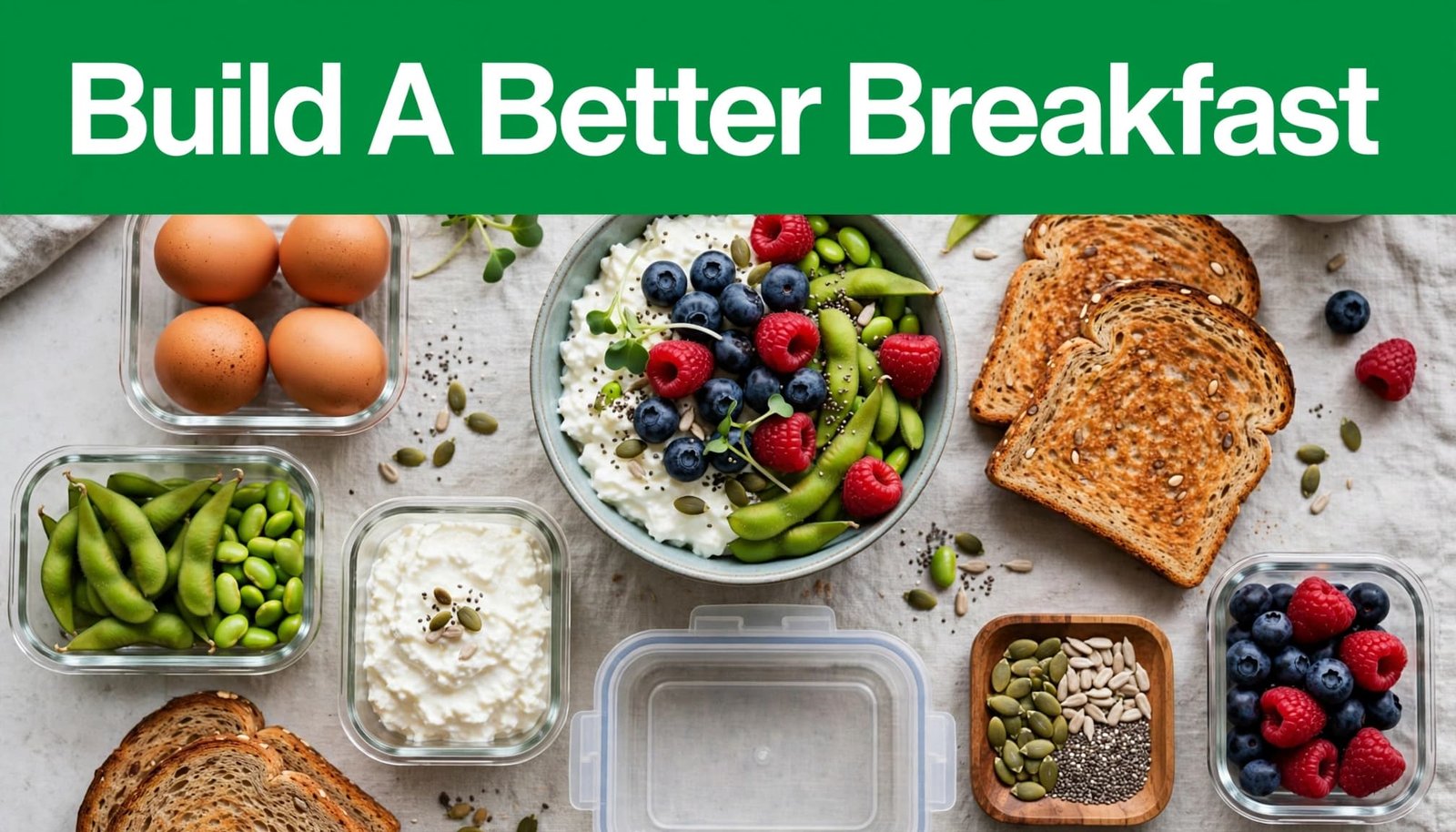
How to Choose the Best High-Protein Breakfast for Your Routine
The best choice is the one you can make and enjoy on a weekday. No-cook breakfasts reduce friction, while skillet meals may suit slower mornings. Budget also matters, and beans, eggs, oats, cottage cheese, and frozen produce can stretch grocery dollars.
The Harvard Healthy Eating Plate emphasizes pairing protein with vegetables, fruit, and whole grains. That pattern creates a more complete meal, while avocado, nuts, or seeds can add healthy fats.
Best Options for No-Cook and Grab-and-Go Mornings
Parfaits with Greek yogurt, cottage cheese bowls, and overnight oats work well when time is tight. Smoothies, pre-made wraps, breakfast burritos, and breakfast sandwiches are portable options. These meal prep ideas simplify breakfast meal prep. Pack cold foods in an insulated lunch bag with an ice pack if they’ll sit outside the refrigerator.
A smoothie pack is especially helpful: freeze fruit and spinach together, then add yogurt and milk before blending.
Simple Swaps for Dietary Needs and Preferences
Use dairy-free yogurt or fortified soy milk in place of dairy. Tofu, beans, edamame, or a tofu scramble can replace eggs or meat. Gluten-free bread or tortillas can replace wheat products. A breakfast casserole can provide several servings for people who prefer batch cooking.
Choose lower-sodium canned beans, turkey, and fish when needed. If blood sugar management is a concern, consider portions and fiber with individualized guidance. Check every label for allergens, added sugar, sodium, and protein content. Anyone with kidney disease, food allergies, or a prescribed diet should consult a registered dietitian before making major nutrition changes.
Frequently Asked Questions
How much protein should a breakfast include?
There isn’t one amount that fits everyone. Needs depend on body size, age, activity, health, and daily intake, while these recipes offer moderate servings of roughly 18 to 30 grams. Seek personalized guidance for medical needs or precise nutrition targets.
Can I make these breakfasts ahead of time?
Overnight oats, baked oatmeal, breakfast casserole, boiled eggs, smoothie packs, and wraps can all work as a make ahead breakfast. For breakfast meal prep, these meal prep ideas include portioning and refrigerating wraps, egg dishes, and prepared oats. Add crunchy toppings, avocado, and cut fruit close to serving time, refrigerate perishable foods promptly, and reheat wraps until hot.
What is the best high-protein breakfast without eggs?
Greek yogurt, cottage cheese, tofu, edamame, beans, smoked salmon, tuna, and smoothies are all strong choices. Combine one with whole grains, fruit, or vegetables for more variety and a better-balanced meal.
Are high-protein breakfasts helpful for weight loss?
Protein can support fullness and help you meet nutrition needs, but no breakfast guarantees weight loss. Overall eating patterns, portions, activity, sleep, medications, and health conditions all matter.
How can I add more protein without supplements?
Add cottage cheese to eggs, use Greek yogurt in oatmeal or smoothies, or include beans with breakfast tacos. Milk, soy milk, tofu, fish, poultry, nuts, and seeds can also increase protein while adding other nutrients.
A Better Breakfast Can Still Be Fast
High-protein breakfast ideas don’t need expensive ingredients or complicated prep. Eggs, beans, yogurt, cottage cheese, oats, frozen fruit, and whole-grain bread can cover many mornings without a major grocery overhaul.
Pick two or three recipes that suit your schedule, then keep those staples nearby. These simple meal prep ideas can make busy mornings easier. Consistency matters more than making every breakfast perfect