I believe healthy recipes should be simple, satisfying, and realistic enough for your actual life. A nutritious meal doesn’t need to be strict, bland, expensive, or built around one perfect ingredient. Healthy eating is about the overall pattern of what you eat over time, which supports a balanced diet.
In this guide, I’ll show you how to build balanced meals with vegetables, fruit, grains, beans, lean proteins, unsaturated fats, and red pepper. You’ll also learn how to choose better ingredients, compare Nutrition Facts labels, and cook with less added sugar, sodium, and saturated fat without giving up flavor. I’ll share practical ways to adapt a recipe to your budget, culture, schedule, and personal goals, whether you’re cooking for one or feeding a family. The FDA label makes comparisons easier by listing added sugars separately. Current dietary guidance recommends keeping sodium below 2,300 milligrams per day while limiting added sugars and saturated fat. Let’s start with the basic parts of a balanced meal and how to combine them.
This post may contain affiliate links. If you make a purchase through these links, I may earn a small commission at no extra cost to you.
Key Takeaways
- I build balanced meals around vegetables, whole fruits, whole grains, protein foods, and healthy fats.
- I use the USDA MyPlate framework as a flexible guide, filling about half the plate with fruits and vegetables.
- Beans, seafood, eggs, poultry, nuts, seeds, and soy foods provide satisfying protein and essential nutrients.
- I boost flavor with fresh herbs, spices, citrus, garlic, and vinegar instead of excess sodium, added sugar, or saturated fat.
- Meals should fit your budget, schedule, culture, dietary needs, and personal preferences.
What Makes a Meal Truly Good for You?
A nutritious meal should provide useful nutrients, satisfying flavor, and enough staying power to fit your day. healthy recipes balances variety rather than chasing a perfect ingredient list. Meals become easier to enjoy when they include foods with different colors, textures, and tastes.
Nutrient-Dense Foods That Add Flavor and Fullness
Vegetables add volume, fiber, color, and natural flavor without making a meal feel heavy. Roasted sprouting broccoli, carrots, red pepper, or sweet potato develop a deeper, sweeter taste. I often add them to grain bowls, tacos, soups, or sheet-pan dinners.
Whole fruit brings sweetness, moisture, and fiber. Sliced apples with oats, berries stirred into yogurt, or oranges served with a grain bowl can make a meal more satisfying without relying on a sugary sauce.
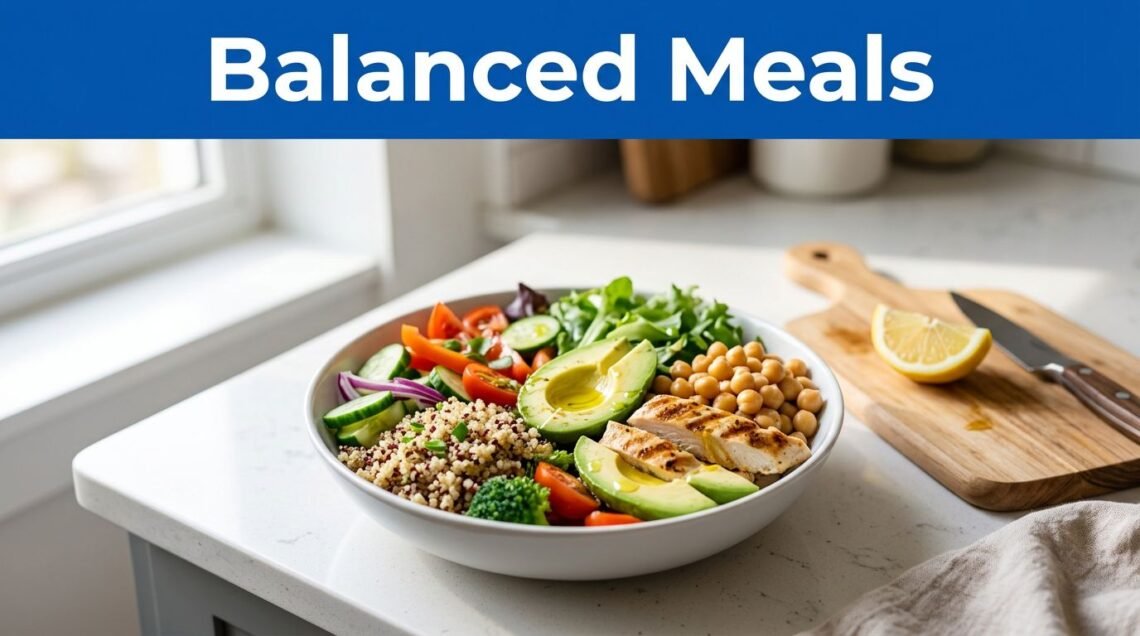
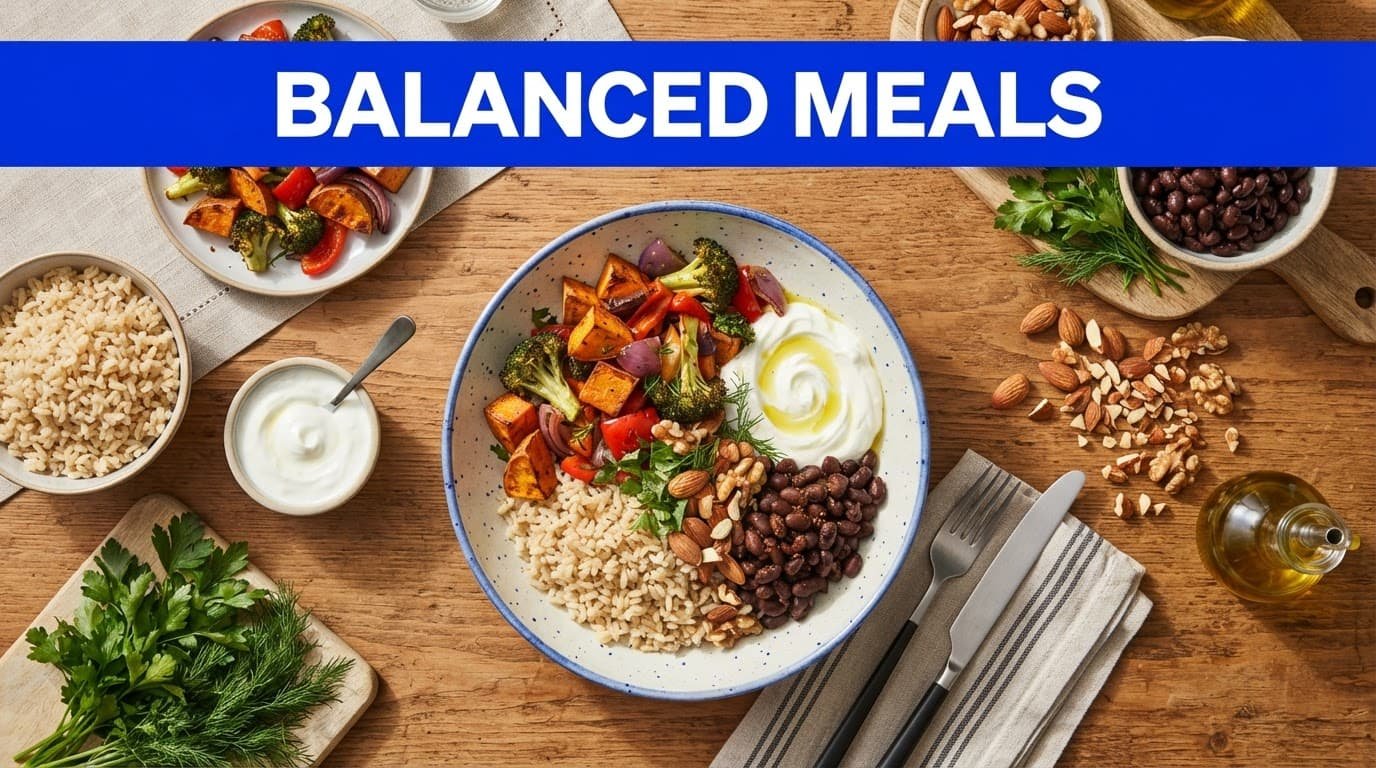
A whole grain provides texture and lasting energy. Oats work well for breakfast, while quinoa, barley, and whole-grain pasta can anchor lunch or dinner. Beans and other protein foods add fullness, along with nutrients that help turn a side dish into a complete meal. I might combine brown rice, black beans, roasted vegetables, salsa, and avocado for a simple bowl.
Dairy and fortified alternatives can add protein, calcium, and creaminess. Plain yogurt works in a breakfast bowl, sauce, or marinade, while fortified soy milk can blend into oatmeal or a smoothie. Nuts and seeds add crunch, protein, and satisfying fat, so a small handful can improve both texture and flavor.
Cooking oils also have a place. Olive oil works well with roasted vegetables and vinaigrettes, while canola oil suits sautéing and baking. I use enough to carry flavor and improve texture, rather than treating oil as something to eliminate.
Healthy Does Not Mean Perfect, Bland, or Extremely Low in Calories
A nutritious eating pattern can include carbohydrates, fats, and foods you genuinely enjoy. Removing an entire food group often makes recipes harder to sustain, especially when the replacement feels unsatisfying.
I build flavor with fresh herbs, citrus, vinegar, spices, lemon juice, and roasted garlic cloves. A small amount of grated cheese, nuts, or avocado can also make vegetables and grains more appealing. These additions help a meal taste like real food instead of a punishment.
Your overall weekly eating pattern matters more than one meal. If one dinner includes dessert or a richer sauce, I simply return to my usual balanced choices at the next meal. Flexibility leaves room for culture, celebrations, convenience foods, and personal preferences without turning healthy eating into an all-or-nothing test.
How to Build a Balanced Meal With the MyPlate Method
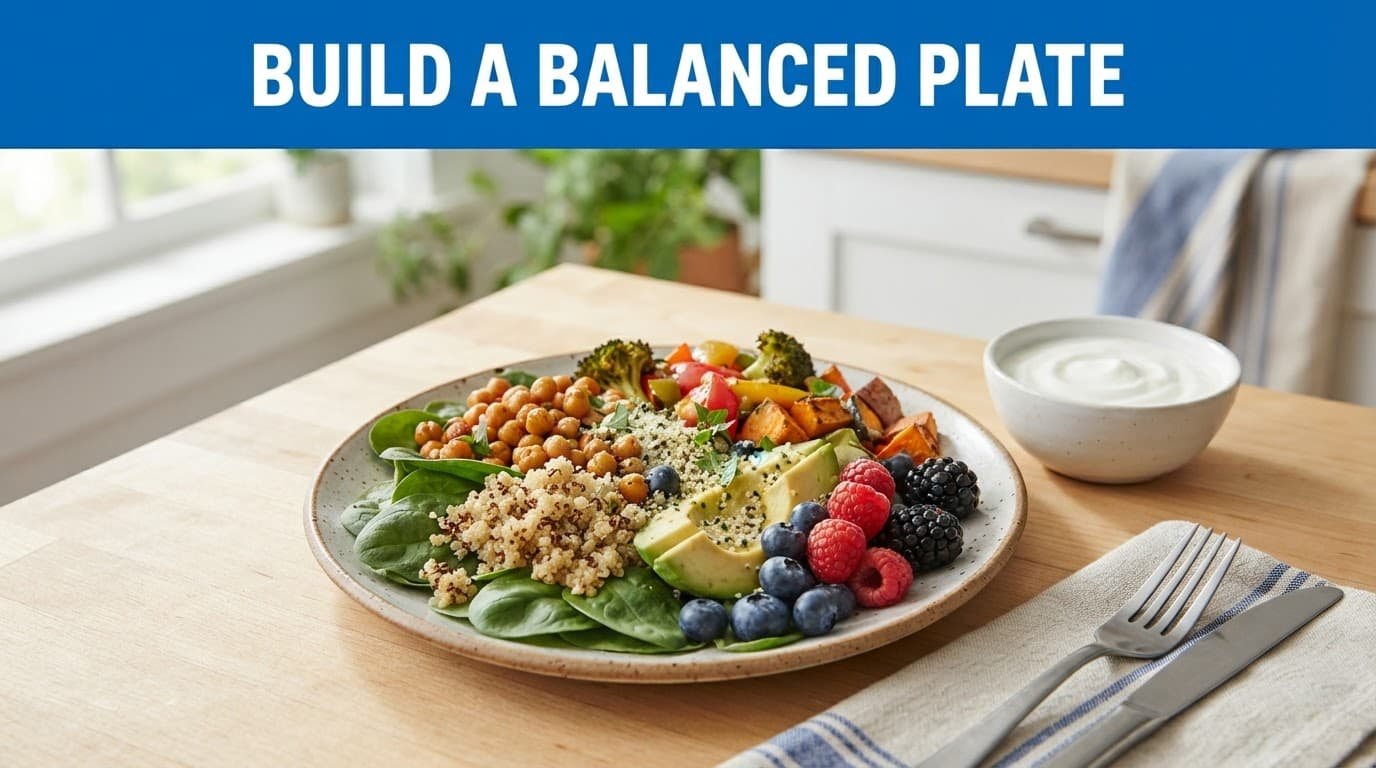
I use the USDA MyPlate framework as a flexible starting point for balanced meals. It centers on fruits, vegetables, grains, protein foods, and dairy or fortified alternatives, with fruits and vegetables making up about half the plate. The USDA MyPlate food group guidance can help you turn that visual into practical meal choices.
Start With Vegetables and Whole Fruit
I make produce the foundation of many meals because it adds color, fiber, volume, and fresh flavor. Start with what’s available, whether that’s spinach folded into eggs, roasted sweet potato added to a grain bowl, or sliced red pepper on whole-grain toast.
Sprouting broccoli also works well roasted or steamed alongside a meal. Frozen and canned options make balanced meals more practical. I keep frozen broccoli, peas, and mixed vegetables on hand for quick stir-fries, soups, and pasta dishes. Canned vegetables also work well when you choose lower-sodium versions or rinse them before cooking.
Fruit can add natural sweetness to meals and snacks. Try berries or a sliced banana in oatmeal, diced peaches in plain yogurt, or an apple with nut butter. When buying canned fruit, check the label and choose options packed in water or 100% juice instead of heavy syrup.
Whole fruit is usually a better everyday choice than juice because it provides fiber and takes longer to consume. Juice can fit occasionally, but it is easier to drink a large amount quickly.
Choose Whole Grains and a Satisfying Protein
Next, I pair a whole grain with a protein food so the meal feels substantial. Oats with eggs, quinoa with lentils, brown rice with tofu, and whole-wheat pasta with chicken breast are simple combinations that cover more than one food group.
Beans, lentils, eggs, seafood, lean meat, and soy foods all work in a high protein meal. For example, I might build a bowl with brown rice, black beans, salsa, roasted peppers, and avocado. If you eat seafood, salmon with quinoa and vegetables creates another balanced option.
Plant based choices such as tofu, lentils, and soy foods can provide satisfying protein without meat. Look for “whole wheat” or “whole grain” near the beginning of the ingredient list. Adjust the grain and protein portions based on your appetite, activity, age, and dietary needs rather than following one rigid plate.
Add Dairy or Fortified Alternatives When They Fit
Low-fat or fat-free milk, plain yogurt, and cottage cheese can add protein, calcium, and vitamin D. Lactose-free milk offers similar nutrients without lactose, while fortified soy milk and soy yogurt provide useful dairy-free choices.
When comparing alternatives, I check the Nutrition Facts label for protein, calcium, vitamin D, and added sugars. Unsweetened products often make it easier to control added sugar, especially in smoothies, oatmeal, sauces, and breakfast bowls. A yogurt sauce with lemon juice can add brightness to grains or vegetables without much added sugar. If you don’t eat dairy, choose fortified options that fit your diet and use them alongside other calcium-rich foods.
Smart Ingredient Swaps and Cooking Choices for Healthier Meals
Small changes can improve a recipe without making it feel restrictive. I usually adjust the ingredients and cooking method together. Flavor, texture, and nutrition shape the flavor profile and whether you will want to make the meal again.
Lower Sodium Without Losing Flavor
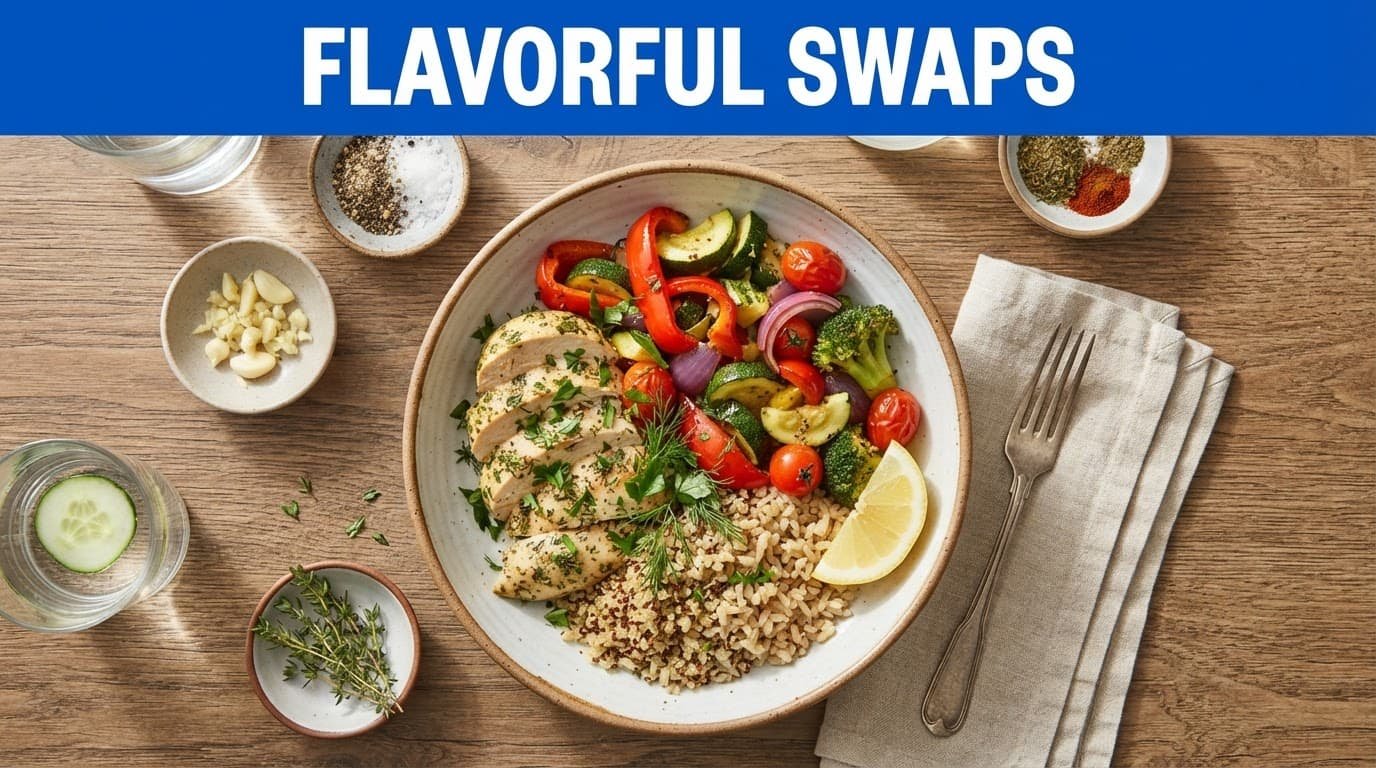
I build savory flavor with garlic cloves, onion, black pepper, red pepper, fresh herbs, dried spices, lemon juice, and vinegar before adding salt. A salt-free seasoning blend can bring together paprika, cumin, oregano, garlic powder, and pepper without adding sodium. The American Heart Association’s sodium tips also recommend using citrus, vinegar, herbs, and spices in place of some salt.
Rinse canned beans under cool water before adding them to salads, soups, or bowls. You can also choose no-salt-added or low-sodium varieties. Packaged foods aren’t automatically unhealthy, but brands can differ widely, so compare labels for broth, pasta sauce, salsa, bread, cheese, deli meats, canned soup, prepared meals, and homemade peanut dressing ingredients such as soy sauce.
Serving size matters because the sodium number applies to one listed serving, not always the amount you eat. If a soup contains two servings and you finish the container, you may consume twice the listed sodium. I check both the sodium per serving and the servings per package, then choose a lower-sodium brand when the difference is substantial.
Reduce Added Sugar and Saturated Fat With Simple Changes
I replace some added sugar with mashed banana, applesauce, berries, or chopped dates when the recipe allows. Cinnamon and vanilla can make oatmeal, yogurt, baked goods, and smoothies taste sweeter without adding sugar. Unsweetened yogurt, milk, applesauce, nut butter, and canned fruit in water give me more control over sweetness.
Naturally occurring sugar in whole fruit and plain milk is different from added sugar, which manufacturers or cooks add during preparation. Read the label’s added sugars line rather than treating fruit or plain dairy as the same as sweetened cereal or flavored yogurt.
For saturated fat, I often choose beans, lentils, fish, skinless poultry, lean meat, low-fat dairy, nuts, and seeds. Avocado, nuts, seeds, olive oil, and other vegetable oils provide healthy fats and richness, but portions still matter because all fats contain calories. A smaller amount of cheese, cream, butter, or coconut milk can provide flavor, while lemon juice brightens the finished dish.
Use Cooking Methods That Protect Taste and Texture
Each method creates a different result, and the best choice depends on the texture you want and the cooking time:
- Roasting concentrates flavor in carrots, cauliflower, sweet potato, chicken breast, and potatoes.
- Steaming keeps broccoli, sprouting broccoli, green beans, and fish moist and tender.
- Grilling adds char to vegetables, tofu, chicken, or lean burgers.
- Baking cooks egg dishes, fish, whole-grain casseroles, and stuffed peppers evenly.
- Stir-frying quickly cooks vegetables and protein in a small amount of oil.
- Slow cooking softens beans, lean meat, and grains while blending flavors over time.
- Pan seared fish develops a flavorful crust while cooking quickly with little oil.
Finish vegetables, fish, or grains with lemon juice when they need a bright, fresh note.
I wash my hands before cooking, keep raw meat separate from produce, and clean cutting boards between tasks. A food thermometer is more reliable than color alone: poultry should reach 165°F, ground meat 160°F, and steaks or chops 145°F with a three-minute rest.
Easy Healthy Meal Ideas for Busy Days, Small Budgets, and Real Life
Healthy cooking becomes easier when you use repeatable formulas instead of searching for a new recipe every night. I combine produce, protein, whole grains, and a flavorful finishing touch for a flexible, plant based meal or quick dinner.
Healthy Breakfast, Lunch, Dinner, and Snack Templates
Use these simple combinations when you need a balanced meal without much planning:
- Breakfast: Pair produce, protein, and fiber-rich carbohydrates. Try oatmeal with berries and walnuts; scrambled eggs with spinach and whole-grain toast; or cottage cheese with fruit and oats.
- Lunch: Build a bowl, fresh salad, or wrap with vegetables, black beans or chicken, brown rice, or a whole-grain tortilla. Add cherry tomatoes, salsa, hummus, peanut dressing, tahini sauce, or lemon juice for flavor.
- Dinner: Combine roasted or frozen vegetables, fish, tofu, chicken breast, lentils, or lean meat with a sweet potato, barley, or whole-wheat pasta. Garlic, herbs, curry powder, pesto, or a squeeze of lime can bring the meal together.
- Snacks: Mix produce with protein or healthy fat. Apple slices with peanut butter, carrots with hummus, or plain yogurt with fruit and sesame seeds can hold you over between meals.
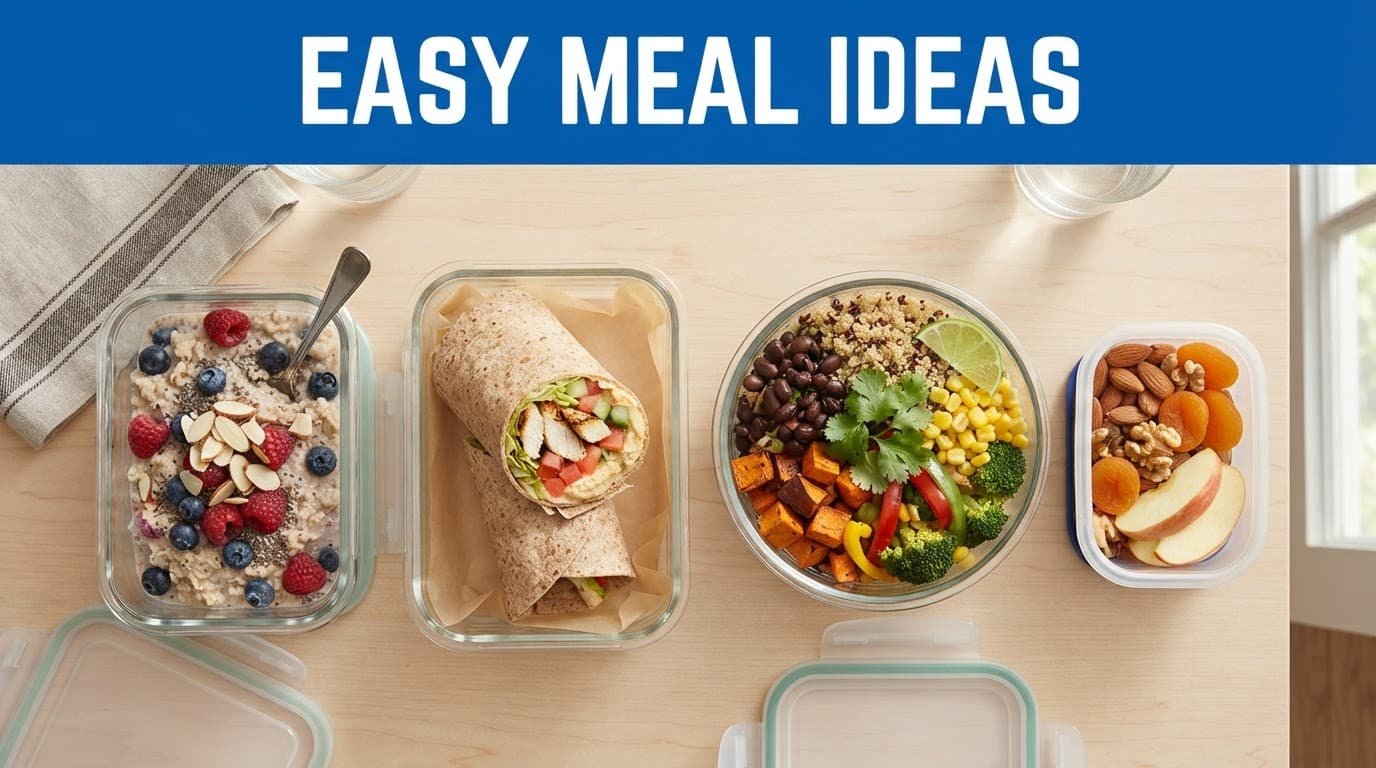
Leftovers can follow the same formula while still feeling new. I turn roasted sprouting broccoli, red pepper, and chicken into a grain bowl one day, then add them to a whole-grain wrap with greens and yogurt sauce the next.
Plan Recipes Around Your Budget and Schedule
I start with a short grocery list built around overlapping ingredients. For example, spinach can go into eggs, pasta, soup, or smoothies, while beans can fill tacos, salads, bowls, and chili. Frozen veggies and canned beans often cost less, last longer, and reduce food waste. Choose low-sodium canned foods when available, and rinse beans before using them.
For a busy weeknight dinner, I choose:
- Two breakfasts, such as overnight oats and egg toast.
- Two lunches, such as bean bowls and chicken wraps.
- Three dinners, such as lentil chili, sheet-pan chicken, and vegetable pasta.
I cook one grain and one protein in advance, then prepare vegetables in a single session. Keeping sauces and toppings separate helps each meal taste fresh.
Prepare and Store Food Safely
Before cooking, I wash my hands and rinse produce under running water. I use separate cutting boards or utensils for raw meat and ready-to-eat foods, then clean surfaces before preparing the next ingredient.
Divide batch-cooked food into small, shallow containers and refrigerate or freeze it within two hours. The USDA leftovers guidance recommends keeping refrigerated leftovers for about three to four days and reheating them to 165°F. Label each container with the food and date, then freeze portions you won’t eat soon. Follow package directions when they provide stricter storage instructions.
Frequently Asked Questions
Healthy eating gets easier when you focus on practical choices instead of perfect meals. I use the questions below to adjust meals for taste, budget, convenience, and personal needs.
What Is the Simplest Way to Make a Recipe Healthier?
I start by adding a vegetable, choosing a whole-grain option, and including a protein source. Then I check packaged ingredients, sauces, and seasonings for high amounts of sodium or added sugar.
You don’t need to change everything at once. Add spinach to pasta, use rice with extra vegetables, or add beans to part of a meat-based dish. Cottage cheese can replace some creamy, higher-fat ingredients when it fits your dietary needs. One small improvement can make a familiar recipe more balanced without changing its identity.
Can Pasta, Rice, or Bread Fit Into Balanced Meals?
Yes. Pasta, rice, and bread can fit into balanced meals, especially when you choose whole-grain options more often. USDA MyPlate guidance recommends making at least half your grains whole grains, such as brown rice or whole-wheat pasta.
I pair these foods with vegetables and protein instead of treating them as complete meals by themselves. Whole-grain toast with eggs and fruit, rice with tofu and vegetables, or pasta with beans and roasted broccoli can all make satisfying choices. No food needs to be forbidden for your eating pattern to support your health.
Are Frozen and Canned Foods Healthy Choices?
Frozen and canned vegetables, fruit, beans, fish, and other foods can be nutritious and convenient. I keep frozen vegetables for quick meals and canned beans for days when soaking or cooking dried beans isn’t practical.
Check labels for added sugar and sodium. Choose no-salt-added products when available, and select fruit packed in water or 100% juice. Use vinegar, lemon juice, herbs, or spices to add brightness without relying on extra salt. Rinse canned beans under cool water before using them to reduce unwanted sodium.
How Can This Approach Support Weight Loss?
Meals with vegetables, protein, fiber, and satisfying flavors may help you feel full and stay satisfied between meals. I build meals around these foods rather than relying on tiny portions or rigid rules.
Weight change depends on your overall food intake, activity, health conditions, medications, sleep, and other factors. Balanced meals can support your goals, but they can’t promise a specific result or replace individualized medical advice.
How Many Recipes Should Be Eaten Each Day?
There is no required number of recipes and no perfect daily menu. I focus on a balanced pattern across meals and snacks, using leftovers, simple convenience foods, and occasional treats when they fit my life.
One meal can be basic, such as a sandwich with fruit and yogurt. The broader pattern matters more than preparing a new recipe every day.
How Can Recipes Be Adjusted for Food Allergies or Medical Needs?
Read every ingredient list and allergen statement carefully, especially when buying sauces, broths, spice blends, and packaged substitutes. Prevent cross-contact by cleaning surfaces, separating utensils, and following safe preparation practices.
Ingredient swaps should protect both safety and nutritional balance. For individualized guidance, I recommend asking a registered dietitian or another qualified health professional before making major changes for an allergy, diabetes, kidney disease, or another medical condition.
Conclusion
A healthy recipe gives you a practical way to build balanced meals without chasing perfection. I usually combine vegetables or fruit with satisfying protein, a high-fiber carbohydrate, and flavorful ingredients such as herbs, spices, lemon juice, or vinegar. I also keep added sugar, sodium, and saturated fat in check by reading labels and making simple ingredient swaps.
When a meal feels difficult to improve, I start with one familiar recipe. Then I make one or two practical changes, such as adding frozen vegetables, choosing whole-grain pasta, roasting a sweet potato, or replacing some meat with beans. Repeating what works makes healthy cooking easier and more sustainable.
You can experiment with different ingredients, flavors, and cooking methods while still enjoying your food. I focus on consistency rather than perfection, because an approach that fits your real life supports a balanced diet you can maintain.