Pumpkin works well in breakfast, dinner, snacks, and desserts, but other ingredients help determine how balanced a meal feels. These dishes can be simple, affordable, and satisfying without specialty products.
Pumpkin puree adds moisture and mild flavor, while oats, beans, eggs, or yogurt help give dishes more staying power. Pumpkin is a type of winter squash, and portions that suit your appetite and the rest of your meal can help keep dishes balanced.
Start by choosing the right pumpkin, then use familiar ingredients to build balanced dishes and store extra portions safely.
This post may contain affiliate links. If you make a purchase through these links, I may earn a small commission at no extra cost to you.
Key Takeaways
- Choose plain canned pumpkin rather than sweetened pumpkin pie filling for most breakfast and savory recipes.
- Pair pumpkin with protein foods, whole grains, fruit, or vegetables instead of judging a dish by one ingredient.
- Use cinnamon for sweeter dishes or garlic, sage, and curry for savory pumpkin recipes.
- Follow tested baking recipes because extra puree can change moisture and texture.
- Refrigerate prepared dishes promptly and freeze extra puree in useful portions.
Pumpkin recipes for healthy meals, snacks, and treats
Pumpkin puree brings color, moisture, and mild earthy sweetness to food. Like other winter squash, it can soften oatmeal, thicken soup, or add body to a dip without overpowering other ingredients.
Still, pumpkin alone doesn’t make a complete meal. Consider protein, fiber-rich ingredients, added sugar, and serving size together. Canned pumpkin and pumpkin pie filling serve different purposes, since pie filling is often sweetened and seasoned.
Choose store-bought or make fresh puree
Canned pumpkin is convenient and consistent. Check the ingredient list for plain pumpkin without added sweeteners or pie seasonings.
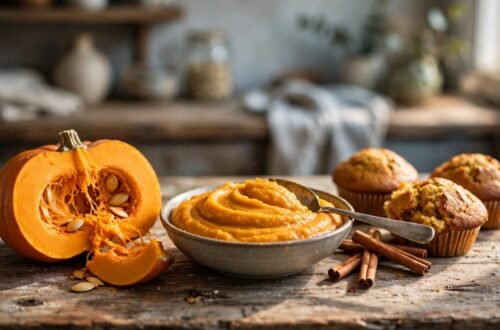
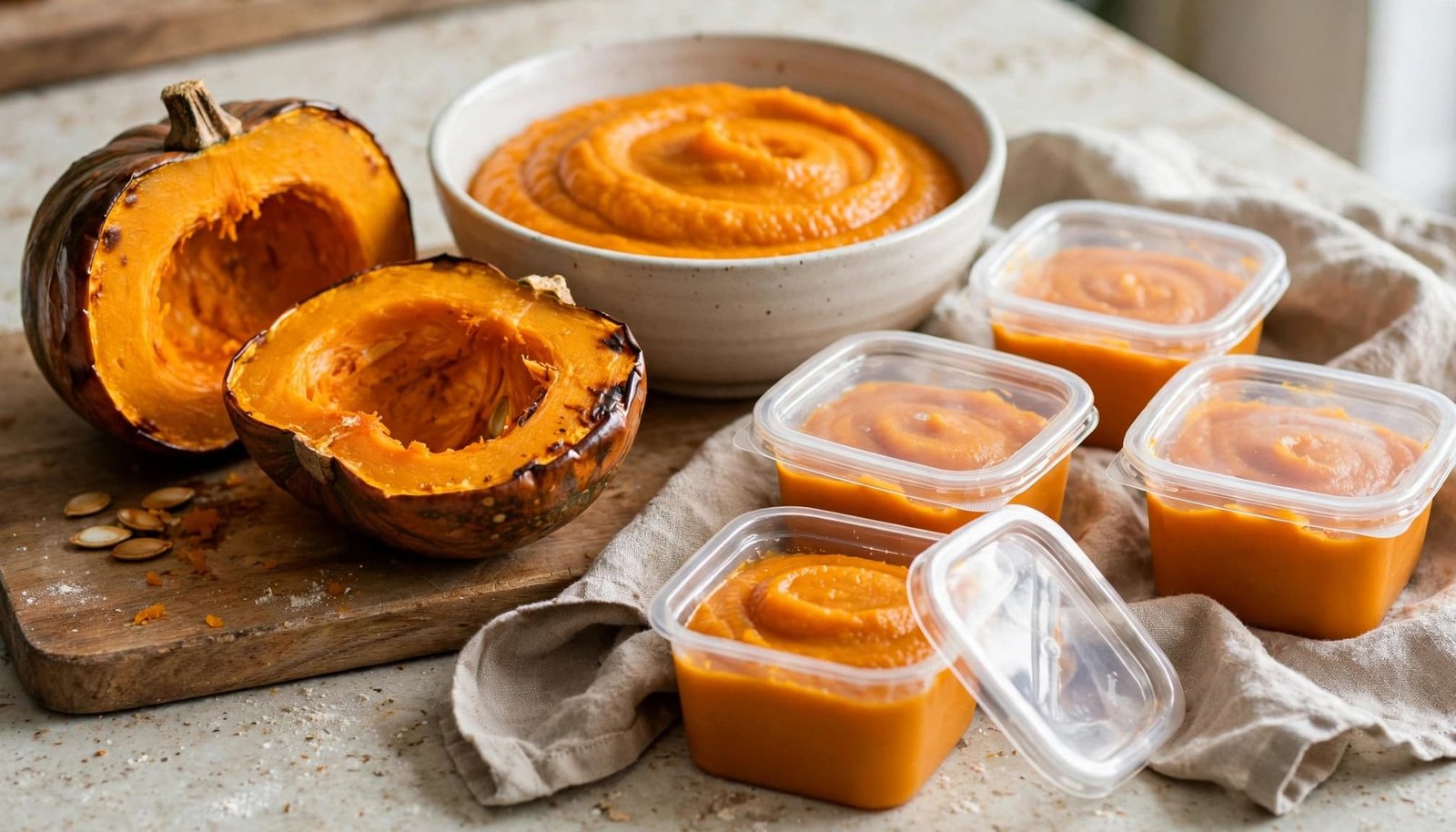
For homemade puree, halve a small sugar pumpkin and remove the seeds. Roast it cut-side down at 400°F until fork-tender, then cool, scoop out the flesh, and blend until smooth. Cooking time depends on the pumpkin’s size.
Pumpkins sold for cooking generally work better than large carving pumpkins. If the puree looks watery, drain it before using it in baking.
Build a balanced pumpkin dish with simple ingredients
A useful formula is pumpkin, a protein food, produce or whole grains, and seasonings. Pumpkin works in oats with milk, soup with lentils, or a grain bowl with tofu. It pairs well with a range of ingredients.
Eggs, plain yogurt, beans, and whole-wheat flour fit different dishes, while roasted pumpkin seeds make a crisp topping. The practical guide to balanced nutrition offers more guidance on combining food groups.
Cinnamon, ginger, nutmeg, or pumpkin spice suit sweeter dishes. Garlic, sage, curry powder, and black pepper move pumpkin toward savory meals. Choose flavors you enjoy rather than changing every ingredient at once.
Easy healthy pumpkin recipes for breakfast, dinner, and snacks
Pumpkin is a winter squash that mixes easily into familiar foods, making breakfast a practical place to start.
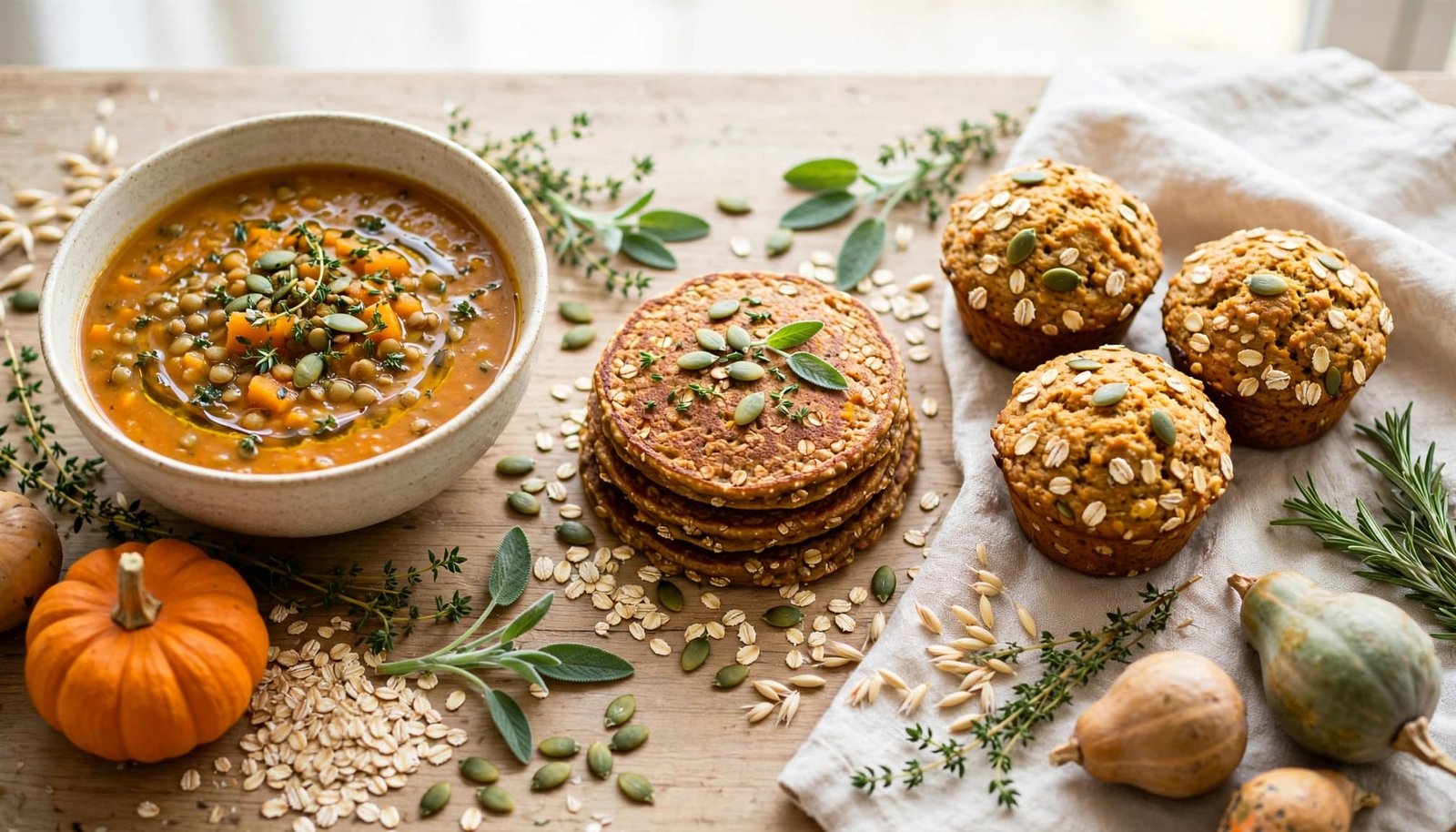
Start with pumpkin oatmeal or overnight oats
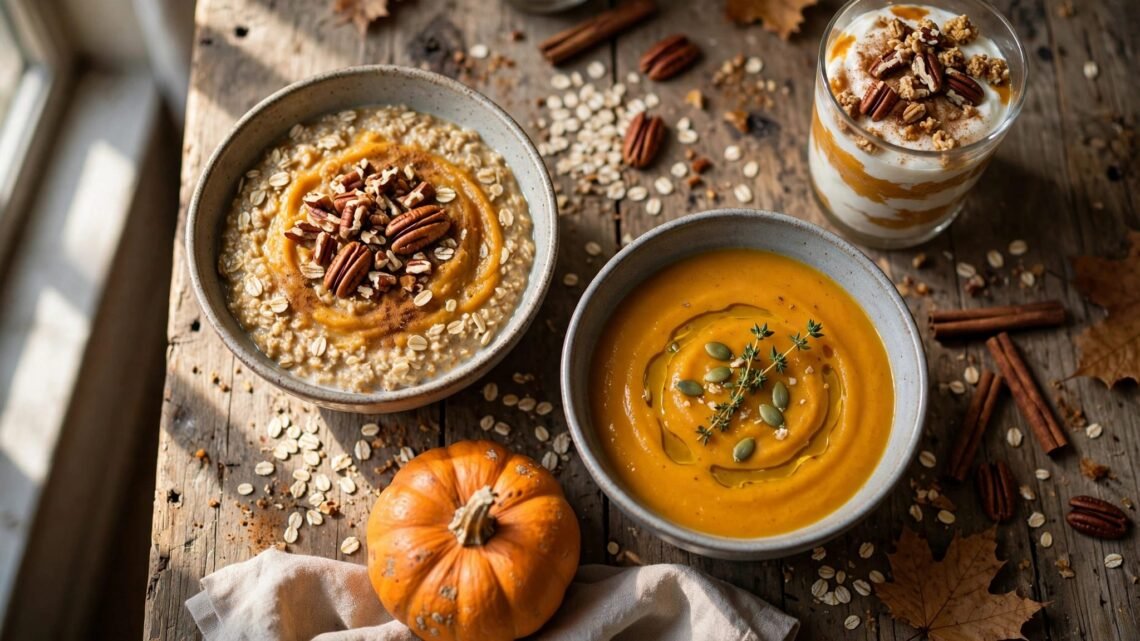
Cook rolled oats with milk or unsweetened fortified soy milk according to the package directions. Stir in plain pumpkin and pumpkin spice near the end. Add more liquid if the mixture becomes thicker than you prefer.
Top with sliced banana, berries, or roasted pumpkin seeds. Peanut butter or plain yogurt can make the bowl more substantial. Taste before adding maple syrup, since fruit may provide enough sweetness.
For overnight oats, combine oats, pumpkin, milk, and yogurt in a covered container and refrigerate overnight. Stir before eating and add crunchy toppings at serving time. This works well when you want a cold breakfast without morning cooking.
Try whole-grain pancakes or a pumpkin yogurt bowl
For pancakes, choose a tested pumpkin recipe using whole-grain flour, eggs, and milk or yogurt. Cook on a lightly greased skillet until the edges set and bubbles appear, then turn and finish cooking. Serve with fruit and plain yogurt.
Prepare extras for another morning. Follow FoodSafety.gov’s two-hour refrigeration guidance rather than leaving cooked pancakes out through the afternoon.
For a no-cook option, stir pumpkin and cinnamon into plain Greek yogurt. Add fruit, oats, and seeds. These options also fit a simple high-protein breakfast meal prep routine.
Make cozy pumpkin soups, chili, and grain bowls
Savory pumpkin recipes work best when seasoning balances pumpkin’s mild sweetness. Pumpkin, a winter squash, can thicken broth or sauce, while beans and lentils add substance.
Make pumpkin soup with lentils
Soften onion, carrot, and garlic in a little olive oil. Add rinsed lentils, broth, and curry powder or ginger, then simmer until the lentils are tender. Stir in pumpkin puree gradually and finish with spinach if available.
Red lentils break down into a softer soup. Brown or green lentils retain more texture and may need longer cooking. Check the package directions and taste several lentils before serving.
Add broth if the soup becomes too thick. A little lemon juice can brighten the flavor without requiring more salt. Serve with whole-grain toast, or add cooked rice to individual bowls. Keep grains separate during storage so they don’t absorb the broth.
Use pumpkin in black bean chili or grain bowls
For pumpkin black bean chili, soften onion and garlic, then add rinsed canned black beans, tomatoes, the puree, cumin, and chili powder. Simmer until hot and the flavors combine. Loosen with broth as needed.
Start with mild seasoning and add heat gradually. Serve with brown rice, avocado, or plain yogurt according to your appetite.
For a grain bowl, combine cooked quinoa or brown rice with roasted vegetables and tofu, beans, cooked chicken, or eggs. Stir pumpkin into a yogurt-based dressing with lemon and black pepper. Alternatively, use roasted winter squash pieces for more texture, and top with roasted pumpkin seeds if you like. Follow your vegetable recipe’s roasting instructions rather than assuming every piece needs the same cooking time.
Enjoy pumpkin muffins, snacks, and lighter desserts
Pumpkin snacks and pumpkin dessert recipes can provide useful nutrients, but toppings and portions still matter. Choose combinations that fit the occasion, whether you’re making an afternoon snack or serving a slice of pumpkin pie for dessert.
Make muffins with careful substitutions
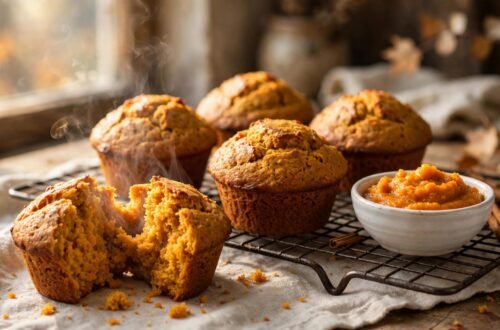
For fall baking, choose a tested recipe for pumpkin muffins with oats or whole-wheat flour, eggs, and baking powder or baking soda. A tested formula helps keep the texture consistent. Measure ingredients accurately, mix as directed, and use the stated oven temperature and baking time.
Pumpkin can replace some oil in certain recipes, but a universal one-to-one substitution doesn’t work. Fat also affects tenderness, flavor, and browning. For pumpkin cookies, extra pumpkin can change how the dough spreads and bakes, so follow a tested formula.
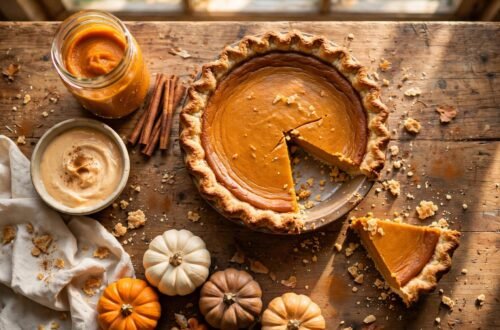
Pumpkin bread, pumpkin cake, and pumpkin cupcakes each need tested ratios, and cupcakes may depend on a specific amount of leavening. For pumpkin pie, use a tested filling formula and follow the recipe’s directions for the pie crust. Another pumpkin pie recipe may handle moisture differently, so keep its pie crust instructions intact. Pumpkin bars and pumpkin cheesecake also need ratios suited to their textures, while cream cheese frosting requires enough structure to hold its shape.
Choose a recipe with modest added sugar rather than cutting a large amount from an existing formula. Cinnamon, ginger, or pumpkin spice can add flavor, but won’t replace sugar’s effect on texture. Pumpkin cookies may need their tested sugar amount for proper spread, and pumpkin cake can turn dense when ratios change. Keep pumpkin cheesecake filling proportions steady, and use the specified cream cheese frosting when called for. Pumpkin bars may need their original ratios to set, and changes to the pie crust can affect flakiness.
Serve the muffins with yogurt, fruit, or roasted pumpkin seeds for a more substantial snack. A small amount of cream cheese frosting can make pumpkin cupcakes feel more like dessert. You could also serve a slice of pumpkin cake. These healthy cooking and recipe tips can help you evaluate other adjustments.
Let pumpkin muffins and pumpkin cupcakes cool completely before storing, and keep roasted pumpkin seeds separate until serving so they stay crisp. Store them in an airtight container, following the recipe’s storage guidance. Store pumpkin cookies and pumpkin cake in separate airtight containers to preserve their textures. Refrigerate pumpkin cheesecake as directed, and keep cream cheese frosting chilled when required. Wrap pumpkin bars individually before freezing, and store pumpkin pie as directed to help its crust stay firm.
Blend pumpkin hummus or prepare a simple dessert bowl
Blend drained chickpeas with plain pumpkin, tahini, lemon juice, garlic, and cumin. Add water gradually until the dip reaches your preferred texture. Taste before adding salt, particularly when using canned chickpeas.
Serve pumpkin hummus with sliced peppers, cucumber, or whole-grain crackers. Keep the vegetables separate until serving if you want them crisp.
For lighter pumpkin desserts, make a no-bake yogurt bowl with pumpkin, cinnamon, and a small amount of sweetener if needed. These pumpkin dessert recipes offer a simple option when you want something lighter. For another variation, browse pumpkin dessert recipes and top the bowl with diced pear and roasted pumpkin seeds. Choose pumpkin cookies or a slice of pumpkin cake for a different treat, and add frosting only if the recipe calls for it. Follow the recipe’s chilling instructions. Adjust the portion to your appetite rather than treating a particular bowl size as a diet rule.
Prep, adapt, and store pumpkin recipes with less waste
Successful pumpkin recipes depend on texture as well as flavor. A few preparation habits make leftovers easier to use and reduce avoidable waste.
Adjust puree swaps without losing the recipe’s texture
In soups and sauces, add puree gradually and adjust the liquid after stirring. Pumpkin, like other winter squash, can vary in moisture. Baking needs more care because moisture, fat, flour, and leavening work together.
Follow a tested recipe when possible. Spoon flour into the measuring cup and level it rather than packing it down. Mix muffin batter only as much as the recipe directs.
Unsweetened fortified soy milk or plant-based yogurt can suit some dairy-free recipes. Compare labels because protein content and sweetness vary.
Extra puree adds moisture, but it doesn’t replace the structure provided by eggs or the tenderness provided by fat.
Refrigerate leftovers and freeze extra puree
Divide cooked soup, chili, and other perishable dishes into shallow containers and refrigerate promptly. Don’t wait for a large pot to reach room temperature. Keep containers covered once stored.
The USDA’s leftovers safety guidance recommends keeping refrigerated leftovers for three to four days. Follow shorter recipe or package limits when applicable.
Freeze extra puree in portions that match recipes you make regularly. Label each container with the date and leave room for expansion. Thaw in the refrigerator, then stir because it may separate.
Drain excess liquid when a recipe needs thicker puree. For frozen lentil soup, store cooked grains separately and add them after reheating for better texture.
PRACTICAL GUIDE AND ALL YOU NEED TO KNOW ABOUT, PUMPKIN RECIPES
Frequently Asked Questions
Can I use pumpkin pie filling instead of plain pumpkin?
Plain pumpkin is the better choice for most recipes. Pumpkin pie filling often contains sweeteners and spices, so using it requires adjustments. It isn’t suitable for most savory dishes.
What kind of pumpkin is best for cooking?
Smaller cooking pumpkins, including sugar pumpkins, generally have flesh better suited to recipes than large carving varieties. Choose one labeled for cooking. Canned pumpkin is also practical when you want consistent texture with less preparation.
Can I make pumpkin recipes without dairy or eggs?
Yes, soups, chili, hummus, and grain bowls can use beans or tofu without either ingredient. Fortified soy milk and plant-based yogurt suit some breakfasts. Egg replacements in baking depend on the recipe, so use a tested egg-free version.
How do I keep pumpkin baked goods from getting soggy?
Measure the pumpkin accurately and avoid adding more than the recipe calls for. Follow the stated bake time and doneness cues, then cool pumpkin muffins and pumpkin cookies as directed before covering. Drain homemade or thawed pumpkin if it contains excess liquid, and cool frosted treats completely before covering.
How do I keep pie crust from becoming soggy in pumpkin pie?
For pumpkin pie, follow the recipe’s instructions for blind-baking the pie crust, if needed. Let the filling cool as directed before serving, since a hot filling can soften the crust.
Can pumpkin cheesecake be made ahead?
Yes, pumpkin cheesecake is a good make-ahead dessert. Chill it as directed and keep it refrigerated until serving.
Can pumpkin cheesecake be frozen?
Yes. Chill it completely, wrap it tightly, and freeze it for up to a month. Thaw it overnight in the refrigerator before serving.
How should I store pumpkin cake with cream cheese frosting?
Cover pumpkin cake with cream cheese frosting and refrigerate it. Store leftovers in an airtight container and use them within three to four days.
Which pumpkin dessert recipes freeze well?
Many freeze well, including pumpkin bars and unfrosted pumpkin cupcakes. Wrap portions tightly and thaw them in the refrigerator for the best texture.
For frosted treats, wait until they’re completely cool before adding cream cheese frosting.
Make pumpkin part of your everyday meals
Pumpkin can fit into breakfast, dinner, snacks, and baked treats when the complete dish matches your needs. Pair it with foods you enjoy, including satisfying protein and fiber-rich ingredients.
Start with one simple option, such as oatmeal or lentil soup. Save or freeze extra puree for another meal instead of opening a new container each time.
The most useful pumpkin recipes are easy to repeat, flexible enough for your pantry, and enjoyable enough to make again.PRACTICAL GUIDE AND ALL YOU NEED TO KNOW ABOUT, PUMPKIN RECIPES