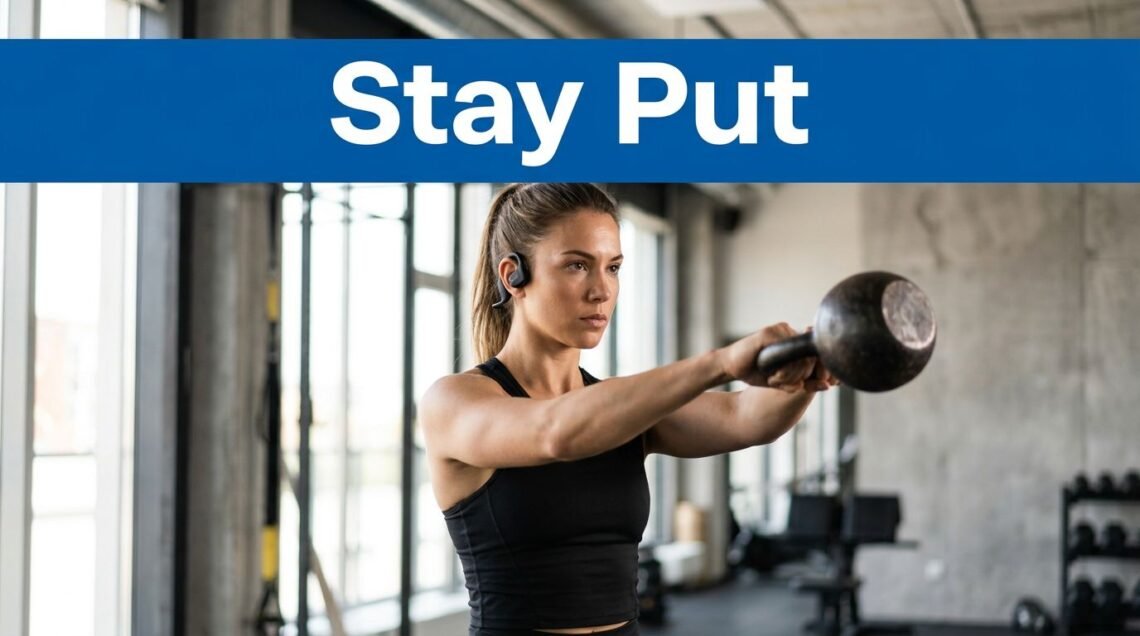
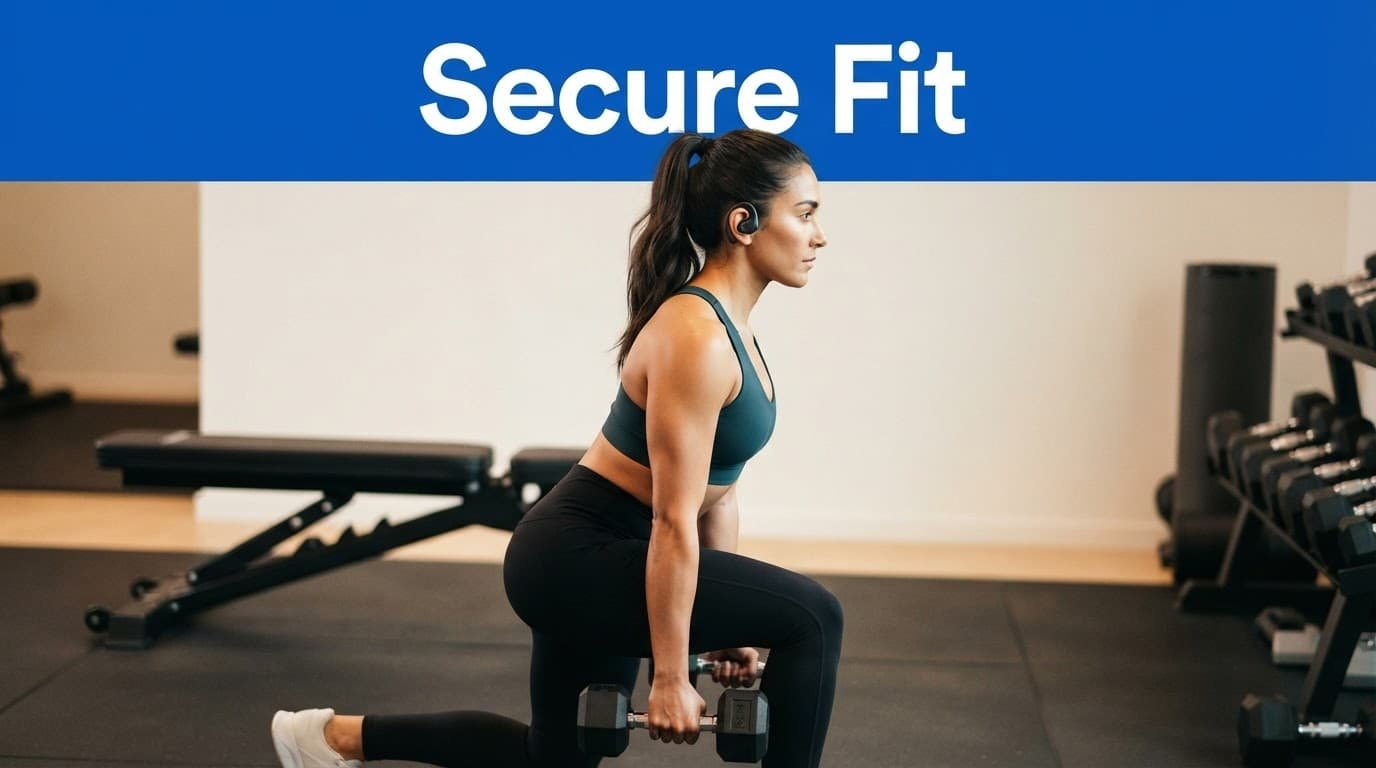
A secure fit prevents interruptions during sprints, burpees, and heavy sets. The best workout headphones stay in place without forcing you to readjust every few minutes.
Your training style should guide the design you buy. An earhook design suits hard movement, while open-ear models help you hear traffic. Sealed earbuds bring stronger sound isolation indoors.
Fit and durability come first, followed by battery life, water resistance for broader moisture protection, and sweat resistance during workouts. Physical controls can help with sweaty hands, and even a budget pick needs a dependable fit and basic protection.
This post may contain affiliate links. If you make a purchase through these links, I may earn a small commission at no extra cost.
Key Takeaways
- A secure fit should come first: earhooks suit running and HIIT, while sealed earbuds can work well for indoor training.
- Open-ear headphones are useful for outdoor running and cycling because they leave your ear canals clear for ambient sounds.
- Check IP ratings carefully. IPX4 handles splashes, while IP55 and IP57 add dust protection and greater water resistance, but none is suitable for swimming.
- Battery estimates vary with volume, calls, wind, active noise cancellation, and transparency mode, so charge before long workouts.
- Wipe and air-dry headphones after every sweaty session, and keep charging cases and contacts dry to help preserve long-term performance.
Fit and water ratings matter more than a long feature list
A stable fit makes music less distracting during exercise, while ear shape affects comfort and fit. It also keeps optical heart-rate sensors closer to your skin, although no earbud sensor delivers identical readings for every person or workout. A good seal can make noise isolation and active noise cancellation more consistent, but fit alone doesn’t guarantee performance.
Test fit before judging sound quality
Fit varies with ear shape, so even highly rated secure fit workout earbuds can feel loose or create pressure for some people. Try every included size of ear tips, then move through squats, head turns, jumps, and short sprints while using the physical controls. Check for easy operation and accidental presses, then judge comfort and sound quality, since a stable seal affects perceived performance.
An earhook design offers the most reliable physical anchor for running and HIIT. Wings can work well too, but they depend more on outer-ear shape. Standard in-ear buds are lighter, yet they can shift when sweat builds up.
Over-ear headphones can work for steady strength training. However, their pads can slide as sweat increases, and the headband may feel unstable during hard intervals or explosive movements. Choose a model with a stated sweat rating, then wipe down the pads after every gym session.
Read IP ratings as limits, not permission
Water resistance ratings describe controlled tests, not unlimited exposure. IPX4 protects against splashes from any direction, but the “X” means the product has no dust rating. IP55 adds dust protection and protection from water jets. IP57 adds dust protection and temporary immersion protection under laboratory conditions.
An IP rating shows how a new device performed in a defined test. It does not promise the same protection after years of sweat, drops, and daily charging.
None of these ratings makes headphones a swim device. Don’t use workout earbuds in saltwater or charge them while wet. Follow the manufacturer’s care directions. Sweat resistance can diminish with regular wear, so even a budget pick needs a clearly stated rating and sensible care instructions.
Workout Headphones by Exercise Type
The right running headphones depend on your exercise type, surroundings, and desired sound quality.
| Exercise | Strong match | Why it works | Main trade-off |
|---|---|---|---|
| Running and HIIT | Beats Powerbeats Pro 2 | The earhook design anchors each bud during repeated impact. | The hook may compete with glasses or a helmet strap. |
| Outdoor running and cycling | Shokz OpenRun Pro 2 | Open-ear audio leaves your ear canals clear for ambient sound. | Bass and isolation trail sealed earbuds. |
| Gym workouts and general training | Apple AirPods Pro 3 | Adjustable tips, active noise cancellation, and a compact fit suit indoor training. | No earhook, so fit is more personal. |
| Budget workouts | JLab Go Sport+ | Earhooks, long claimed battery life, and an IP55 rating keep costs down. | It’s a budget pick with a more basic feature set. |
For road cycling and urban running, open-ear headphones may be preferable because they leave your ears clear for traffic, nearby people, and route cues. Keep volume conservative, since no headphone can guarantee awareness in every setting.
Before buying, verify the current price, availability, compatibility, included accessories, physical controls, and specifications. Product versions and regional listings can change.
Secure in-ear picks for running, HIIT, and the gym
These wireless earbuds use different approaches to staying in place, so the better choice depends on your training style.
Beats Powerbeats Pro 2 for high-intensity workouts
Powerbeats Pro 2 is a strong all-around choice for runners and people doing demanding gym workouts. Its earhook design provides a physical anchor during box jumps and intervals. Physical controls make playback adjustments easy without reaching for a phone.
The Powerbeats Pro 2 product page lists up to 10 hours of playback per charge. The charging case extends total playback to 45 hours, giving the earbuds useful battery life between charges. It also confirms IPX4 sweat and water resistance, active noise cancellation, Transparency mode, and workout heart-rate tracking. Beats explicitly supports Apple and Android devices, although heart-rate access depends on compatible apps.
The drawbacks are clear. IPX4 handles sweat and splashes, but it has no dust rating. The hooks add security, yet some people may find them bulky under sunglasses, beanies, or cycling helmets.
Apple’s AirPods 4 for indoor training and Apple users
Apple’s AirPods 4 works well for indoor training when a sealed fit, compact case, and active noise cancellation matter most. Apple includes multiple ear tips, including XXS, so more people can find a stable seal.
According to Apple’s AirPods 4 technical specifications, AirPods 4 provide up to 5 hours of listening time on a single charge, while the charging case extends total listening time to up to 30 hours. The earbuds and charging case are rated IP54 for dust, sweat, and water resistance. The AirPods 4 feature the H2 chip, Bluetooth 5.3, Adaptive EQ, Personalized Spatial Audio, and Voice Isolation. The AirPods 4 with Active Noise Cancellation provide up to 4 hours of listening with ANC enabled and up to 20 hours with the charging case.
Their limitation is the absence of a wraparound hook. A great seal can make them stable for lifting and treadmill runs, while hard burpees may dislodge them for another wearer. The heart-rate experience also centers on Apple’s Fitness app, so Android buyers should confirm the functions they need.
Open-ear awareness and a lower-cost sport option

Shokz OpenRun Pro 2 for roads and bike paths
The Shokz OpenRun Pro 2 suits people who dislike a blocked-ear feeling. These open-ear headphones use bone conduction, with transducers outside the ear canal to leave it clear and preserve more ambient awareness.
The official SHOKZ OpenRun Pro states up to 12 hours of battery life and an IP55 rating. That combination suits long runs, commutes, and cycling sessions where situational awareness takes priority over full isolation.
This design trades some sound quality and low-end immersion for awareness. Wind, traffic, and busy gyms can reduce perceived audio quality. The IP rating is IP55, suitable for sweat and splashes, but Shokz doesn’t position this model for swimming or other aquatic use.
JLab Go Sport+ for practical value
JLab Go Sport+ is a sensible budget pick for walks, casual runs, and general training. Its sport earhooks provide more stability than many low-cost stem-style earbuds.
JLab lists JLab, Go Sport+ with more than nine hours per earbud and more than 35 total hours with the charging case. Bluetooth connectivity uses Bluetooth 5.3, with touch controls, Google Fast Pair, and JLab app sound controls for everyday use; physical controls may suit users who dislike accidental taps.
The IP55 protection applies to the earbuds, not the case, so keep it dry. Neither model is intended for swimming or other aquatic use. This is also a simpler product than the premium picks. Choose another model if you want advanced noise control, detailed workout metrics, or a more refined call experience.
Battery life and heart-rate features in real workouts
Published runtime estimates are useful comparisons, but they reflect controlled listening conditions. Volume, calls, outdoor wind, and noise-control settings all affect playback time.
Noise control has a battery cost
Active noise cancellation and transparency mode use microphones and audio processing. Expect shorter playback time than a standard estimate when you use them often.
Noise cancellation helps in a loud gym, where you might otherwise turn the volume too high. For outdoor running and cycling, transparency or open-ear designs make more sense because total isolation can hide useful sounds. Charge before long events rather than relying only on the case’s advertised total.
Treat an earbud heart-rate monitor as helpful, not clinical
Built-in heart-rate sensing is convenient, but fit, skin contact, and motion affect optical readings. Compare unusual readings with a chest strap if you train by precise heart-rate zones or use the data for structured intervals.
Powerbeats Pro 2 has clearer cross-platform support, with compatibility stated for Apple and Android devices. Android buyers should confirm which fitness apps can access the data. AirPods Pro 3 puts workout data into Apple’s Fitness experience, but active noise cancellation can shorten runtime. Neither model guarantees equal heart-rate accuracy across every app, movement pattern, and phone ecosystem.
Care habits that help sweat-resistant headphones last
After each workout, remove the earbuds and wipe them with a soft, dry cloth to help preserve sweat resistance over time. Let them air-dry fully before returning them to the charging case. Moisture trapped around charging contacts can cause avoidable charging problems.
Salt residue deserves extra attention after outdoor summer runs. Wipe the earhooks, charging contacts, and case opening, then inspect the speaker mesh for buildup. Replace worn ear tips and pads when they no longer hold their shape. Manufacturer care instructions should always take priority over generic cleaning advice.
Frequently Asked Questions
What type of headphones are best for running and HIIT?
Earhook headphones are usually the most secure choice for repeated impact, sprints, and explosive movements. Open-ear models are better when hearing traffic and other surroundings is a priority.
Is an IPX4 rating enough for workout headphones?
IPX4 protects against splashes from any direction and can be suitable for typical sweaty workouts. It does not include dust protection, and no IP rating makes headphones suitable for swimming.
Do open-ear headphones sound as good as sealed earbuds?
Open-ear headphones improve ambient awareness, but they usually offer less bass and noise isolation than sealed earbuds. Wind, traffic, and busy gyms can further reduce perceived sound quality.
How should I care for workout headphones?
Wipe the earbuds, earhooks, charging contacts, and case opening with a soft, dry cloth after each workout. Let the headphones dry fully before placing them in the charging case, and follow the manufacturer’s care instructions.
Choose the Pair That Matches Your Movement
The best workout headphones are the pair you can wear through a full session without adjusting, worrying about sweat, or losing track of your surroundings. Earhooks are the safest starting point for HIIT and running, while open-ear designs suit outdoor routes.
A budget pick can be a smart choice when it matches your movement and environment, not simply the lowest price. A higher IP rating and longer battery life are useful, but they can’t fix a poor fit. Active noise cancellation helps during loud indoor training, but it can’t replace a stable fit or awareness of your surroundings. Choose the design that matches your movement, test it early, and dry the headphones after every sweaty session.
This post may contain affiliate links. If you make a purchase through these links, I may earn a small commission at no extra cost to you.
Anytime Fitness Workouts for Beginners: A Simple 20-Minute Start