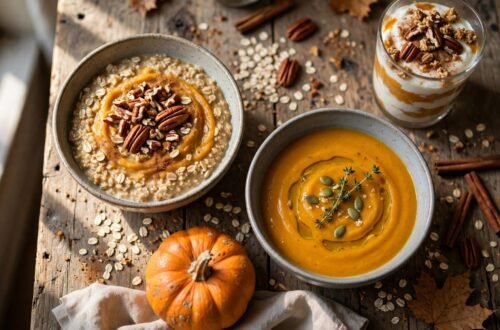
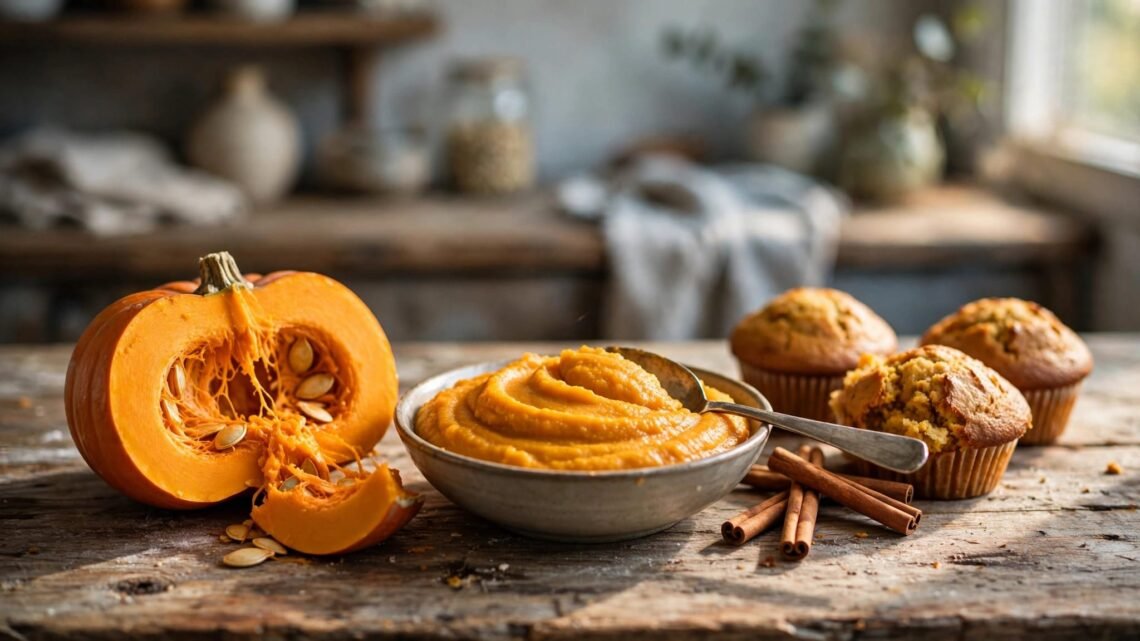
Pumpkin, a mild winter squash, can add variety to meals and snacks, but it doesn’t automatically make a meal balanced. The best recipes pair its flavor and moisture with ingredients that suit your appetite, budget, and routine.
Use canned pumpkin for convenience, or roast a small cooking pumpkin when you have more time. This guide covers choosing pumpkin, building balanced meals, and preparing and storing dishes safely. First, check which kind of pumpkin your recipe calls for.
This post may contain affiliate links. If you make a purchase through these links, I may earn a small commission at no extra cost to you.
Key Takeaways
- Choose plain pumpkin puree for flexible seasoning, and check labels for sweetened pumpkin pie filling.
- Pair pumpkin with protein foods, whole grains, and other produce to make meals more satisfying.
- Use pumpkin recipes for oatmeal, soups, chili, pumpkin muffins, and simple snacks. For pumpkin dessert recipes, look for options with less added sugar.
- Measure puree carefully because extra moisture can change the texture of baked goods.
- Refrigerate cooked leftovers promptly, and freeze extra puree in measured portions for another meal.
Pumpkin recipes for healthy meals, snacks, and treats
Pumpkin puree adds moisture, orange color, and mild flavor to sweet and savory dishes. It can soften oatmeal or thicken soup, but the full recipe matters more than one ingredient.
Healthy dishes still need satisfying protein, fiber-rich ingredients, and portions that suit you. Plain pumpkin also gives you more control over added sugar and seasoning.
Choose canned pumpkin or make fresh puree
Canned pumpkin saves preparation time and usually has a consistent texture. Check the ingredient list for plain pumpkin, not sweetened, seasoned pumpkin pie filling.
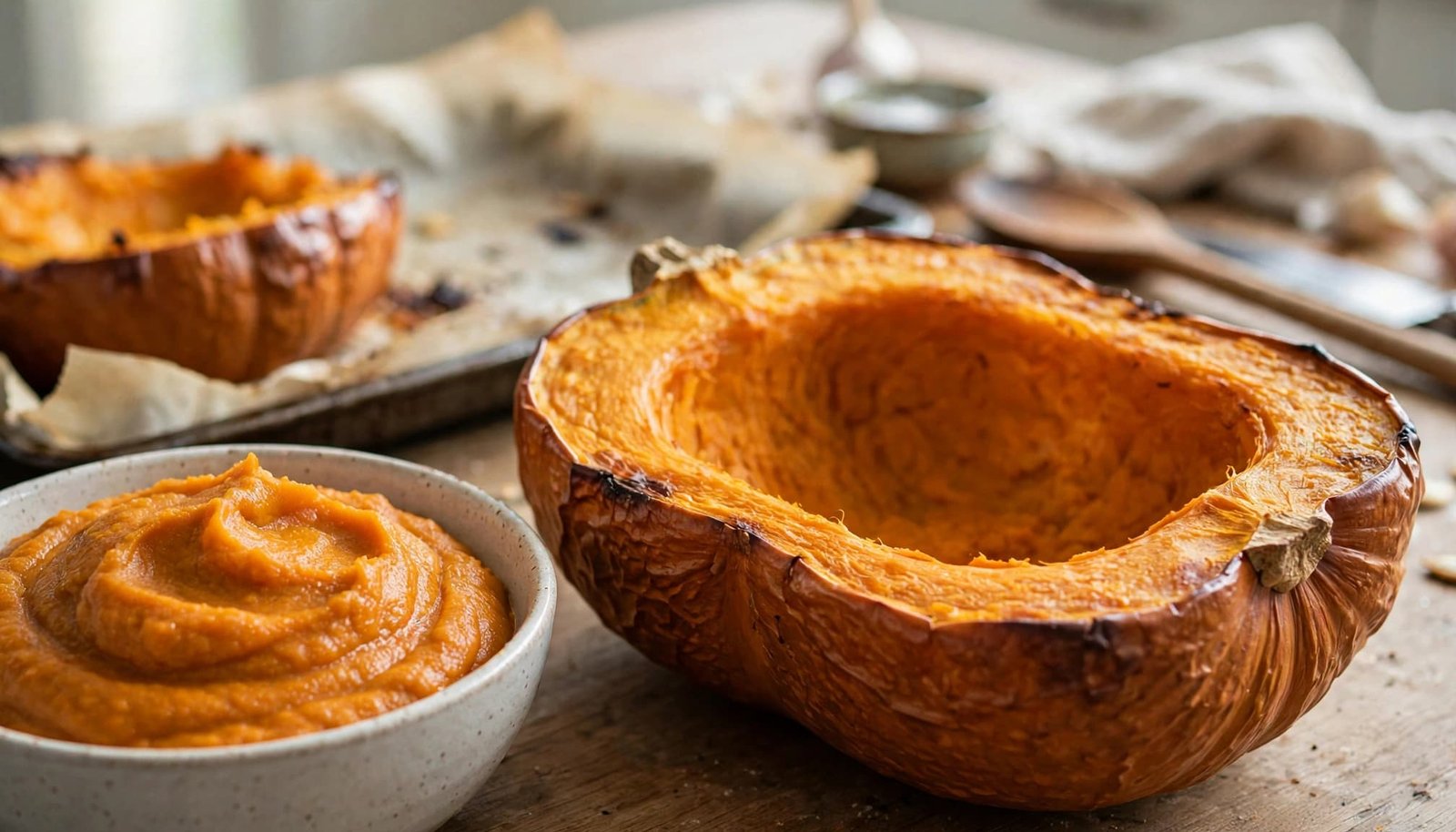
For homemade puree, halve and seed a small sugar pumpkin, a cooking variety of winter squash. Roast it cut-side down at 400°F until fork-tender, usually about 40 to 60 minutes, depending on size. Let it cool enough to handle, scoop out the flesh, and blend until smooth. If a small cooking pumpkin isn’t available, roast and puree another mild winter squash in the same way.
Build a balanced pumpkin dish with simple ingredients
Use a flexible combination: pumpkin, a protein source, produce or whole grains, and seasonings. Plain yogurt, eggs, beans, lentils, and tofu work in different dishes. Oats and whole-wheat flour add whole grains.
Cinnamon, ginger, and nutmeg suit sweet dishes. Garlic, sage, curry powder, and black pepper work well in savory meals. The same principles apply to other balanced healthy recipes, with portions adjusted to your hunger and personal goals.
Easy healthy pumpkin recipes for breakfast, dinner, and snacks
Start with a breakfast you already enjoy. A small amount of pumpkin adds flavor without requiring a completely new routine.
Start the day with pumpkin oatmeal or pancakes
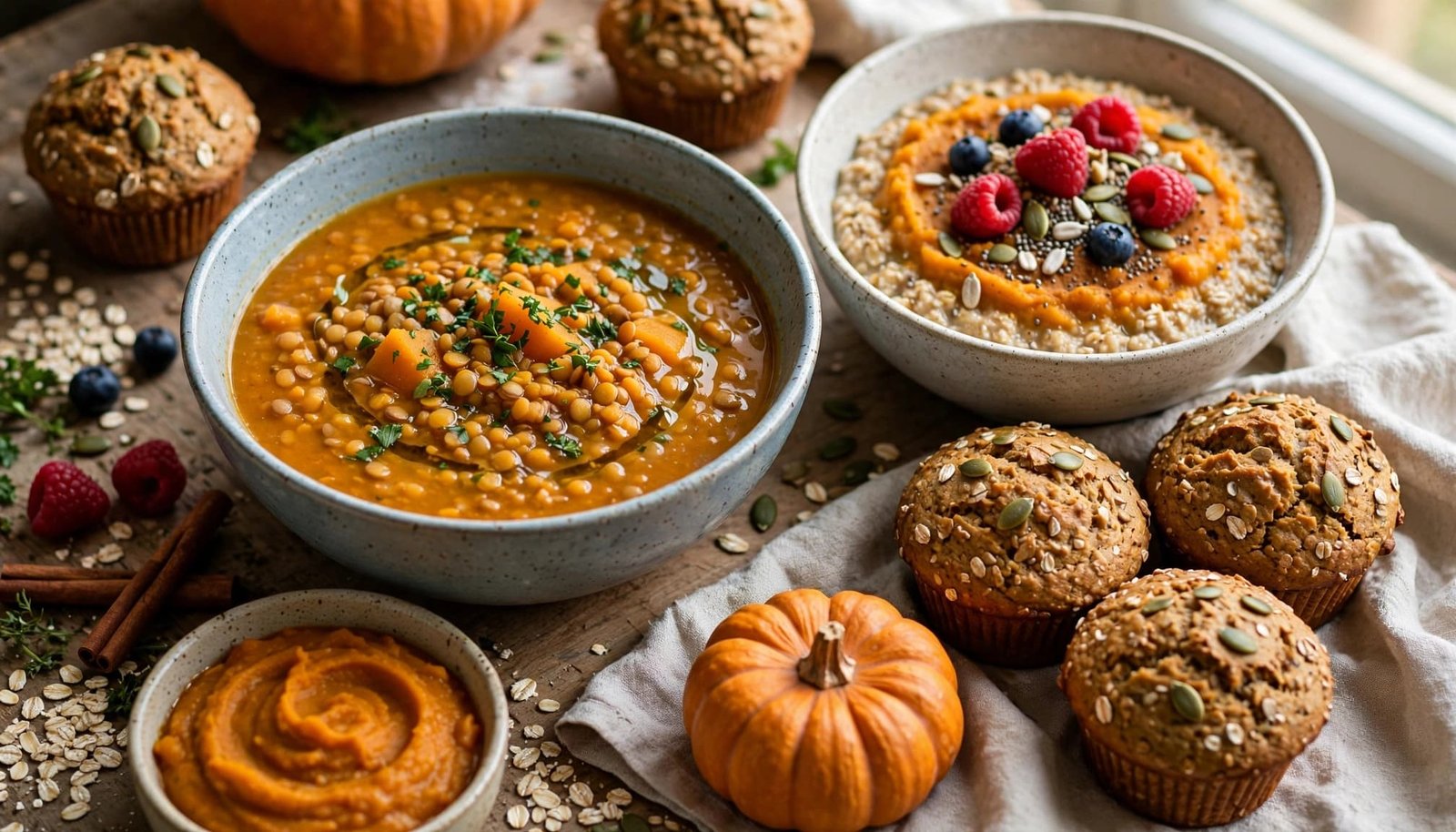
For one oatmeal serving, combine 1/2 cup rolled oats, 1 cup milk or unsweetened fortified soy milk, and 1/4 cup of the puree. Simmer for about five minutes, stirring regularly. Add cinnamon or pumpkin spice, berries, and a spoonful of seeds. Sweeten after tasting, if needed.
For pancakes, mix 1 cup whole-wheat flour, 2 teaspoons baking powder, and a pinch of salt. Separately whisk one egg, 3/4 cup milk, and 1/3 cup of the puree. Combine gently, then cook small pancakes in a lightly oiled skillet over medium heat. Allow about two to three minutes per side, checking that the centers cook through.
Serve with plain yogurt and fruit rather than relying on syrup alone.
Assemble pumpkin yogurt bowls or overnight oats
Stir 1/4 cup of the puree into 3/4 cup plain Greek yogurt. Add sliced apple, oats, cinnamon, and pumpkin seeds or roasted pumpkin seeds for crunch. Plant-based yogurt works too, although its protein content depends on the product.
For overnight oats, combine equal amounts of oats and milk, then add a spoonful each of the puree and yogurt. Refrigerate overnight. Prepare extra pancakes for freezing, or rotate these breakfasts with other make-ahead breakfasts with protein.
Savory pumpkin recipes for soups, chili, and grain bowls
Pumpkin, a winter squash, can add body to savory meals without cream. Add it gradually to control thickness and keep other flavors noticeable.
Make pumpkin soup and black bean chili
For lentil soup, soften one chopped onion in a little oil. Add two minced garlic cloves, 1 teaspoon curry powder, 3/4 cup rinsed red lentils, 1 cup puree, and 3 cups lower-sodium broth. Simmer for 20 to 25 minutes, until the lentils are tender. Stir in spinach near the end.
Use canned lentils when time is limited; they only need heating. For another pantry-based option, budget-friendly lentil soup offers a useful vegetable-and-legume foundation.
For quick chili, combine 1 cup puree, a drained and rinsed 15-ounce can of black beans, a 14.5-ounce can of diced tomatoes, and 1/2 cup broth. Season gradually with chili powder and cumin. Simmer for about 15 minutes, stirring occasionally.
Build grain bowls and adjust savory flavors
Serve cooked brown rice, barley, or quinoa with roasted vegetables and beans, tofu, cooked chicken, or eggs. Stir pumpkin into a sauce with garlic, sage, and enough warm broth to make it spoonable. Top with roasted pumpkin seeds for crunch.
Frozen vegetables can replace fresh ones. Keep the main batch plant-based, then add chicken or yogurt individually for anyone who wants extra protein.
Thin thick soup with broth or water. Add heat gradually, and serve bread or extra grain according to your appetite.
Pumpkin muffins, snacks, and lighter desserts
Bake Pumpkin Muffins with Practical Portions
For eight pumpkin muffins, combine 1 cup whole-wheat flour, 1/2 cup rolled oats, 1 teaspoon baking powder, 1/2 teaspoon baking soda, 1 teaspoon cinnamon, and 1/4 teaspoon salt.
In another bowl, whisk 1/2 cup puree, 1/2 cup plain yogurt, one egg, 1/4 cup neutral oil, and 1/3 cup brown sugar. Fold the wet ingredients into the dry ingredients until combined. Add a little pumpkin spice for a flavor variation.
Divide the batter among eight lined muffin cups. Bake at 350°F for about 20 to 25 minutes, until a toothpick comes out without wet batter. Cool on a rack.
Serve a pumpkin muffin with fruit or yogurt for a more substantial snack. Nuts or raisins are optional. Reducing the sugar also changes tenderness and browning, so make small adjustments rather than removing it entirely. Store cooled pumpkin muffins in an airtight container, or freeze extra pumpkin muffins for later.
Enjoy pumpkin hummus and simple yogurt desserts
Blend one drained 15-ounce can of chickpeas with 1/3 cup puree, 2 tablespoons tahini, lemon juice, garlic, and cumin. Add water a spoonful at a time until smooth. Serve the hummus with carrots, cucumber, or whole-grain crackers, topped with roasted pumpkin seeds if you like.
For simple pumpkin dessert recipes, stir puree and cinnamon into plain yogurt, then add berries, chopped walnuts, and optional roasted pumpkin seeds. Add pumpkin spice or a little maple syrup if you like.
These options offer different textures and serving sizes for pumpkin desserts. Choose combinations you enjoy, rather than treating one ingredient as a requirement. For fall baking, explore pumpkin dessert recipes such as pumpkin bread, pumpkin cookies, pumpkin cheesecake, pumpkin cake, pumpkin bars, and pumpkin cupcakes. Cream cheese frosting pairs well with suitable baked treats. For pumpkin pie, follow a tested recipe, since pie crust requires different preparation.
Prep, adapt, and store pumpkin dishes with less waste
A few preparation habits make dishes more reliable and help you use what remains in the can.
Keep the right texture when adapting dishes
Measure the puree with a measuring cup, and spoon flour into its cup rather than packing it down. For muffins, combine wet and dry ingredients separately, then mix only until no dry patches remain.
The puree adds moisture, but it doesn’t replace fat, eggs, or liquid in the same way. Follow a tested recipe when changing baked goods. Replacing some oil with the puree can work, but a universal one-to-one swap isn’t reliable.
For soups, add the puree gradually and adjust the broth afterward. Unsweetened fortified soy milk or plant-based yogurt can replace dairy in suitable dishes, but flavor and consistency may change.
Refrigerate leftovers and freeze extra puree
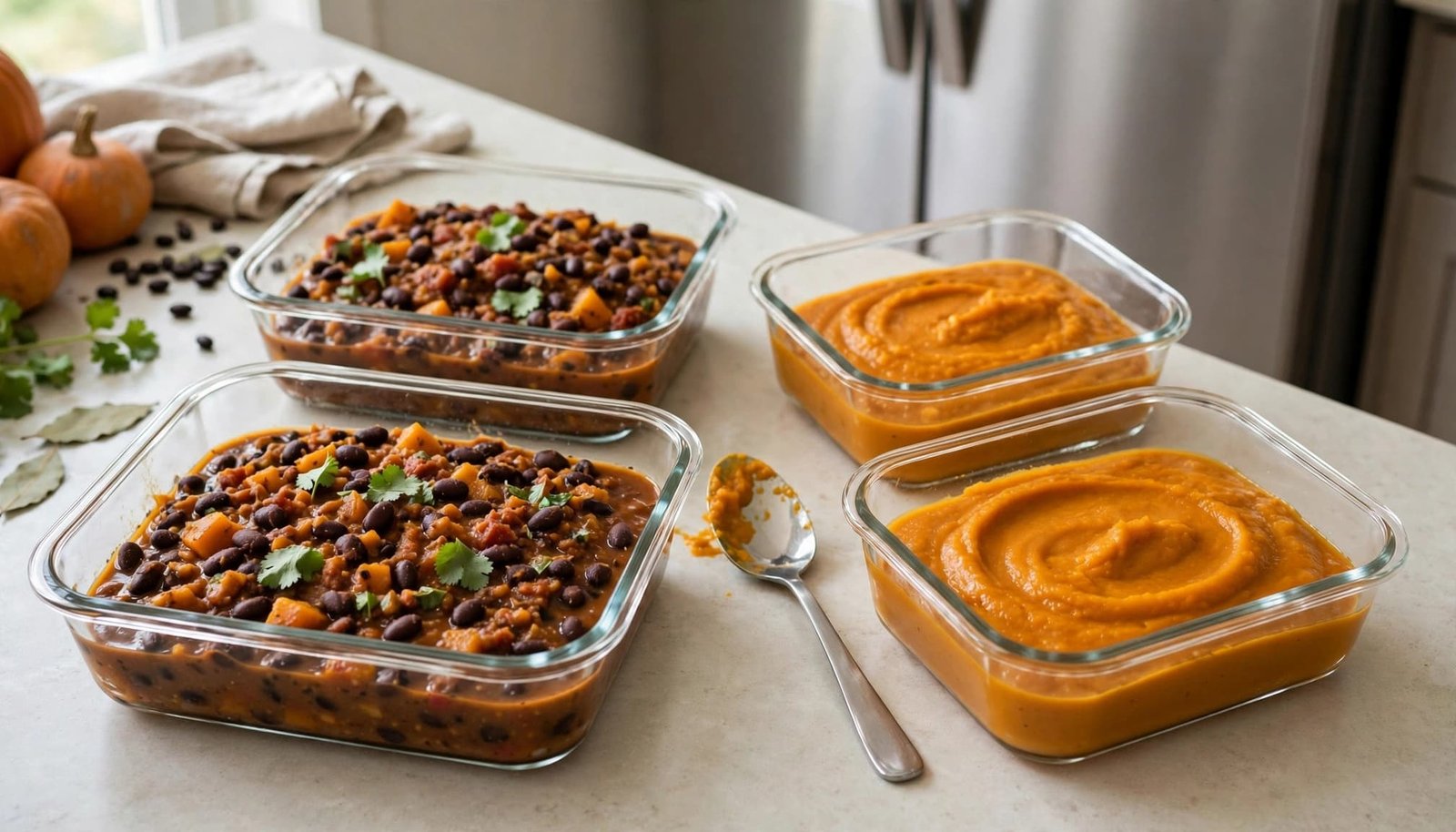
Cool cooked dishes promptly in shallow containers and refrigerate them covered. Follow USDA guidance on leftovers and food safety: use refrigerated cooked leftovers within three to four days, or freeze them. Follow shorter recipe or package instructions when provided.
Freeze extra pumpkin puree or puree from roasted winter squash in measured portions, such as 1/4 or 1/2 cup. Use freezer-safe containers, leave space for expansion, and label them with the date. Thaw it in the refrigerator.
Stir it after thawing because it may separate. Drain excess liquid when a recipe needs thicker puree. Store soup and cooked grains separately so the grains don’t absorb the broth.
Frequently Asked Questions
Can I use pumpkin pie filling instead of plain pumpkin?
Pumpkin pie filling often contains sweeteners and spices, so it isn’t a direct substitute for plain puree. If you use it in a sweet recipe, adjust the added sugar and seasoning. Plain puree is the more dependable choice for most savory dishes.
What kind of pumpkin is best for cooking?
Small sugar pumpkins and other varieties sold for cooking generally have a texture better suited to recipes than large carving pumpkins. Ask the produce seller if the variety isn’t labeled. Canned pumpkin is also a convenient option.
Can I make pumpkin recipes without dairy or eggs?
Many savory pumpkin recipes, including soups, chili, and hummus variations, don’t need either ingredient. Use fortified soy milk in oatmeal or suitable plant-based yogurt in bowls and sauces. Egg replacements depend on their role, so choose an egg-free baking recipe rather than guessing a substitution.
How do I keep pumpkin baked goods from getting soggy?
Measure accurately and avoid adding extra puree beyond the recipe’s amount. Follow the baking time and doneness cues, then cool muffins on a rack before covering them. Homemade or thawed puree can contain more water, so check its consistency before baking.
Make pumpkin recipes part of your everyday routine
These pumpkin recipes can fit breakfast, dinner, snacks, and desserts without complicated ingredients. Start with a balanced combination you enjoy, with enough protein and other ingredients to make the serving satisfying.
Choose one simple option, such as oatmeal or lentil soup, before preparing several new dishes. Extra puree from roasted winter squash can also be frozen for another meal. A practical dish should work with your routine, not require you to change it completely.